isafe Mobile Phone Applications in Malaysia’s Petroleum and Petrochemical Industry
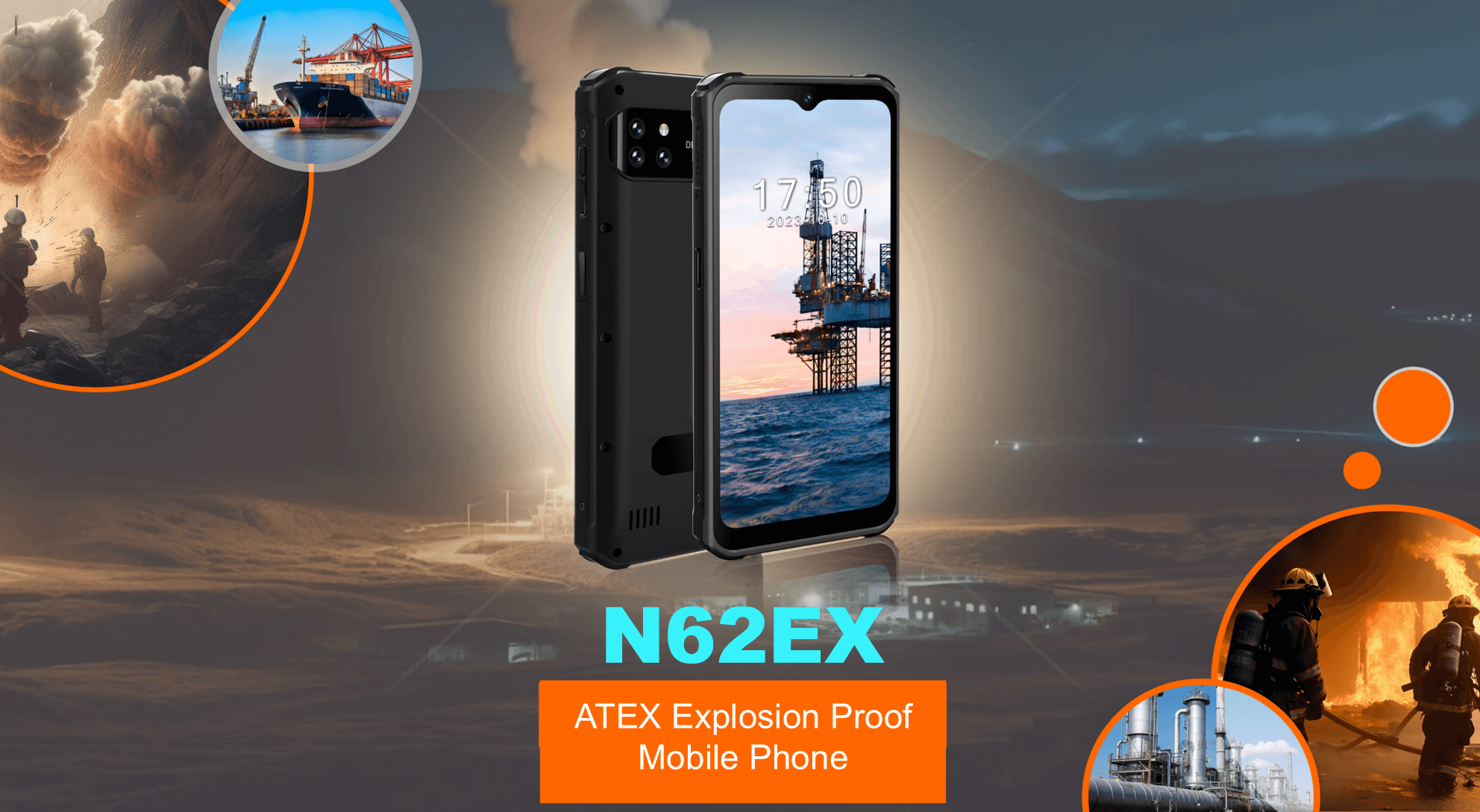
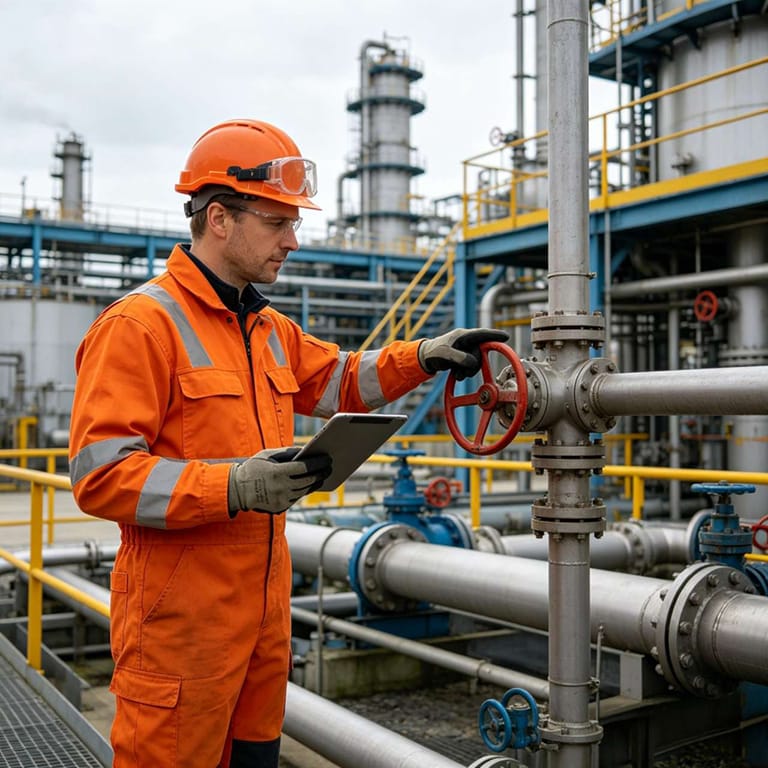
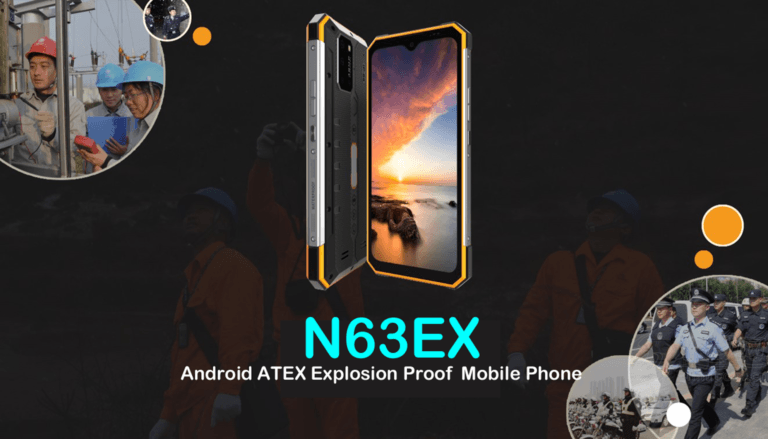
The Malaysian petroleum and petrochemical sector operates in high-risk environments where flammable gases, vapors, and combustible dust are prevalent. Ensuring worker safety while maintaining operational efficiency is paramount. The Polaris explosion-proof mobile phone, emerges as a critical tool for such industries due to its robust design and compliance with global safety standards. This analysis explores the device’s features, technical specifications, and suitability for hazardous zones in Malaysia.
Key Safety Certifications and Design
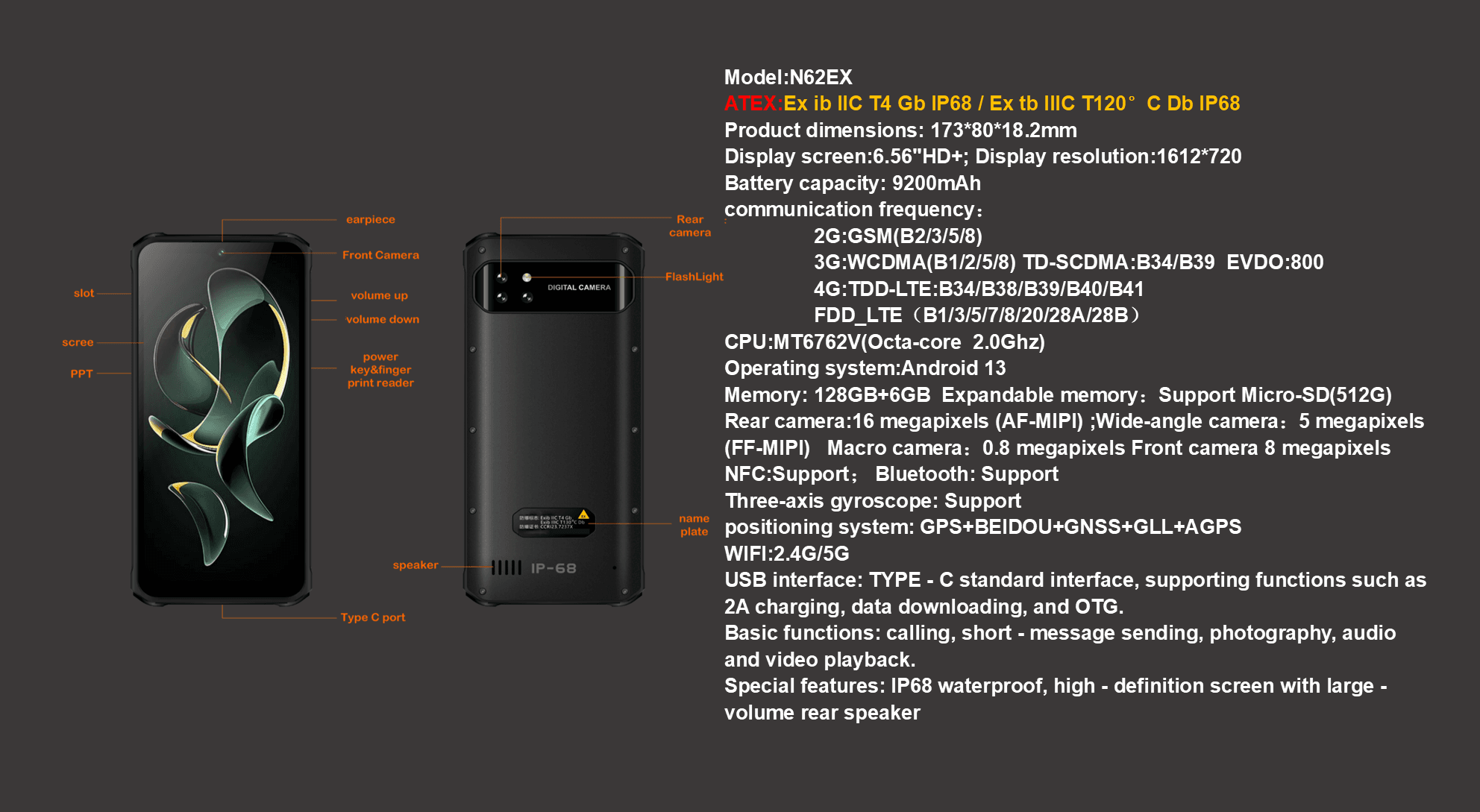
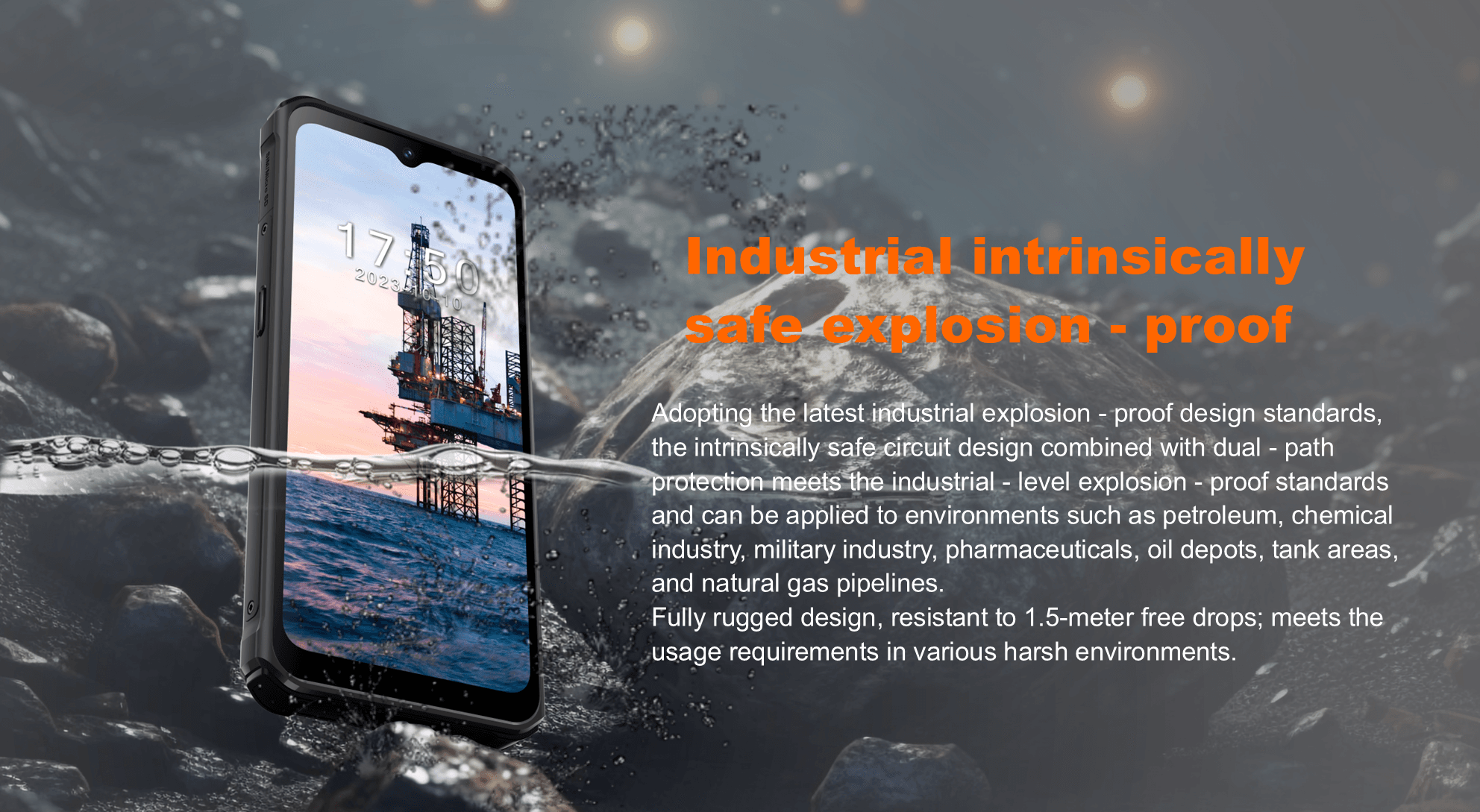
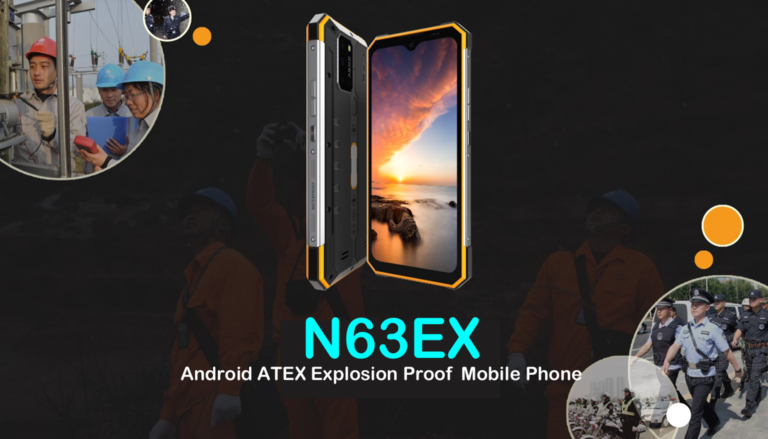
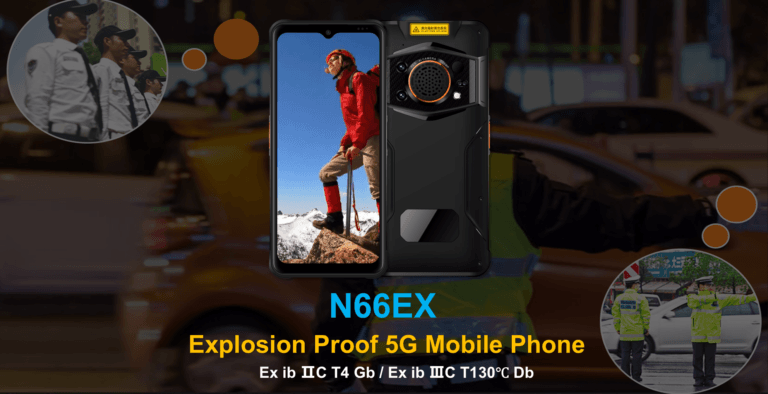
The Polaris phone is engineered to meet international explosion-proof certifications, including ATEX and IECEx (implied by “IS phone” and “iSafe phone” terminology), ensuring it can be safely used in Zone 1/21 and Zone 2/22 areas. Its IP68 rating guarantees protection against dust ingress and submersion in water up to 1.5 meters for 30 minutes, critical for offshore oil rigs or refinery units where equipment is exposed to extreme conditions. The ex-proof phone design incorporates anti-static materials and flame-retardant components, preventing sparks that could ignite surrounding gases.
Performance and Durability in Harsh Environments
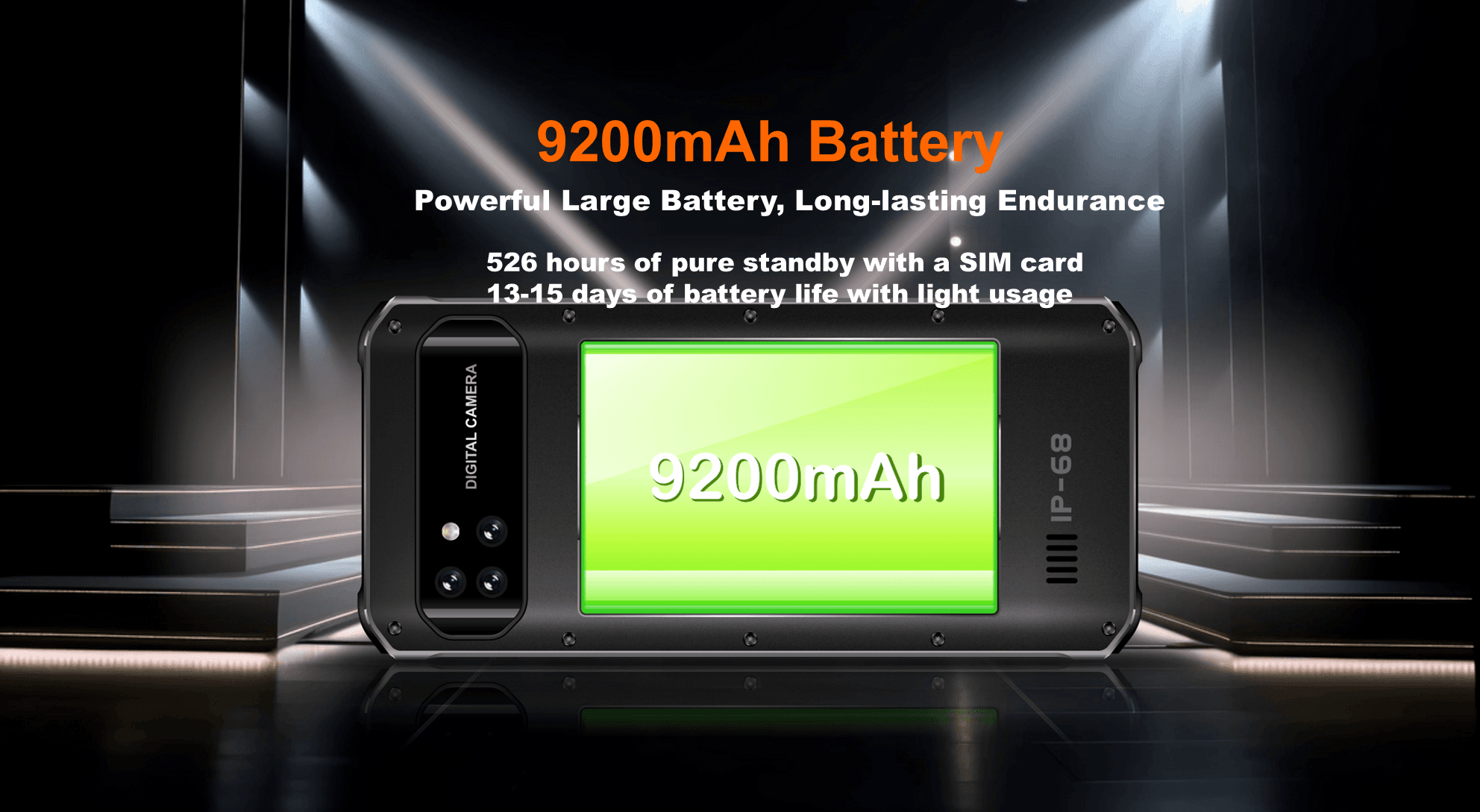
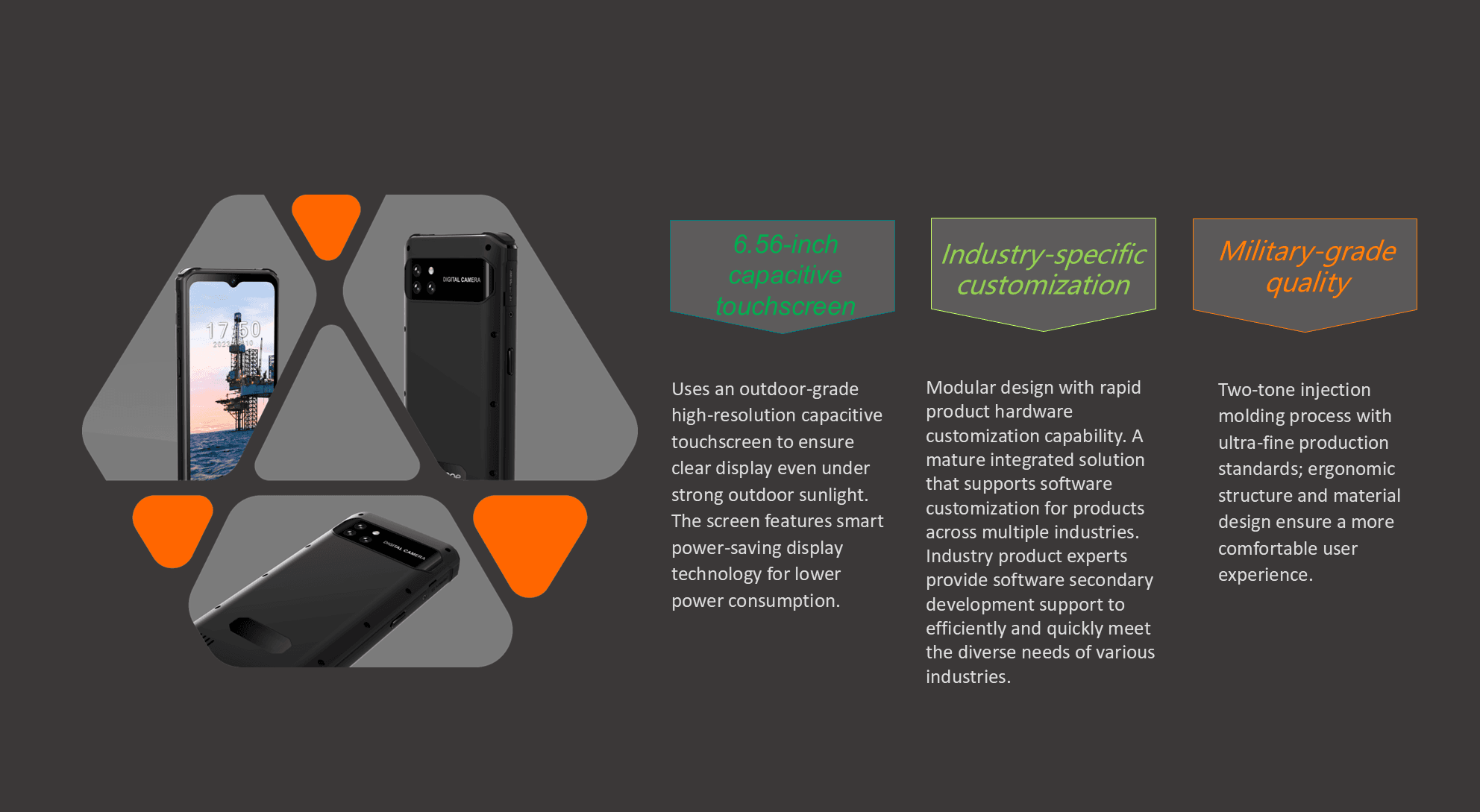
Powered by an MTK MT6762 octa-core chipset and running Android 13, the Polaris balances performance with energy efficiency. Its 6GB RAM + 128GB ROM configuration supports multitasking—essential for field technicians accessing real-time data or schematics. The 6.5-inch HD+ IPS display with 5-point multitouch remains responsive even when operators wear gloves, a common requirement in petrochemical plants. A 10000mAh Li-polymer battery with fast charging (5V/3A) ensures extended operation during long shifts, minimizing downtime.
Connectivity and Functional Capabilities
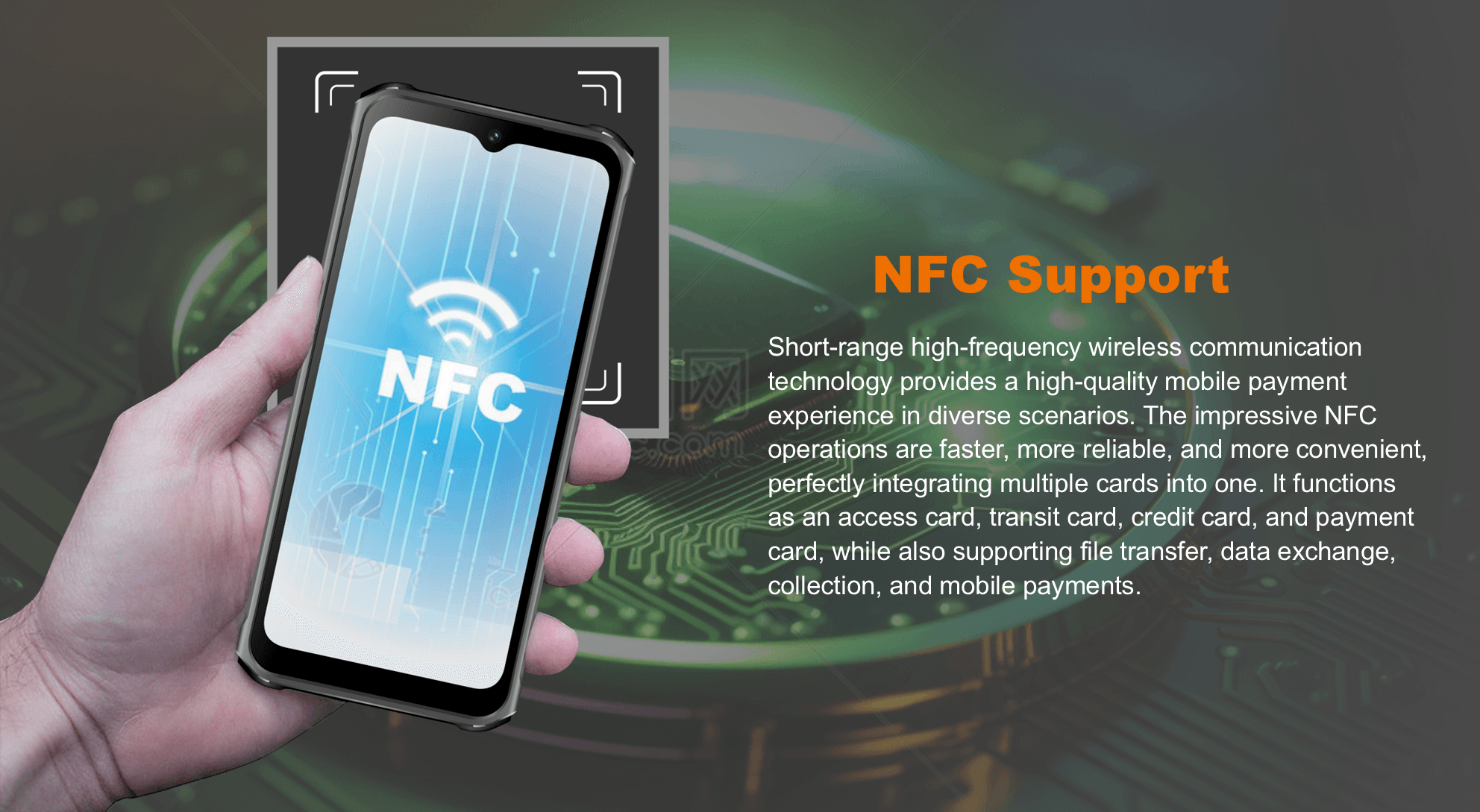
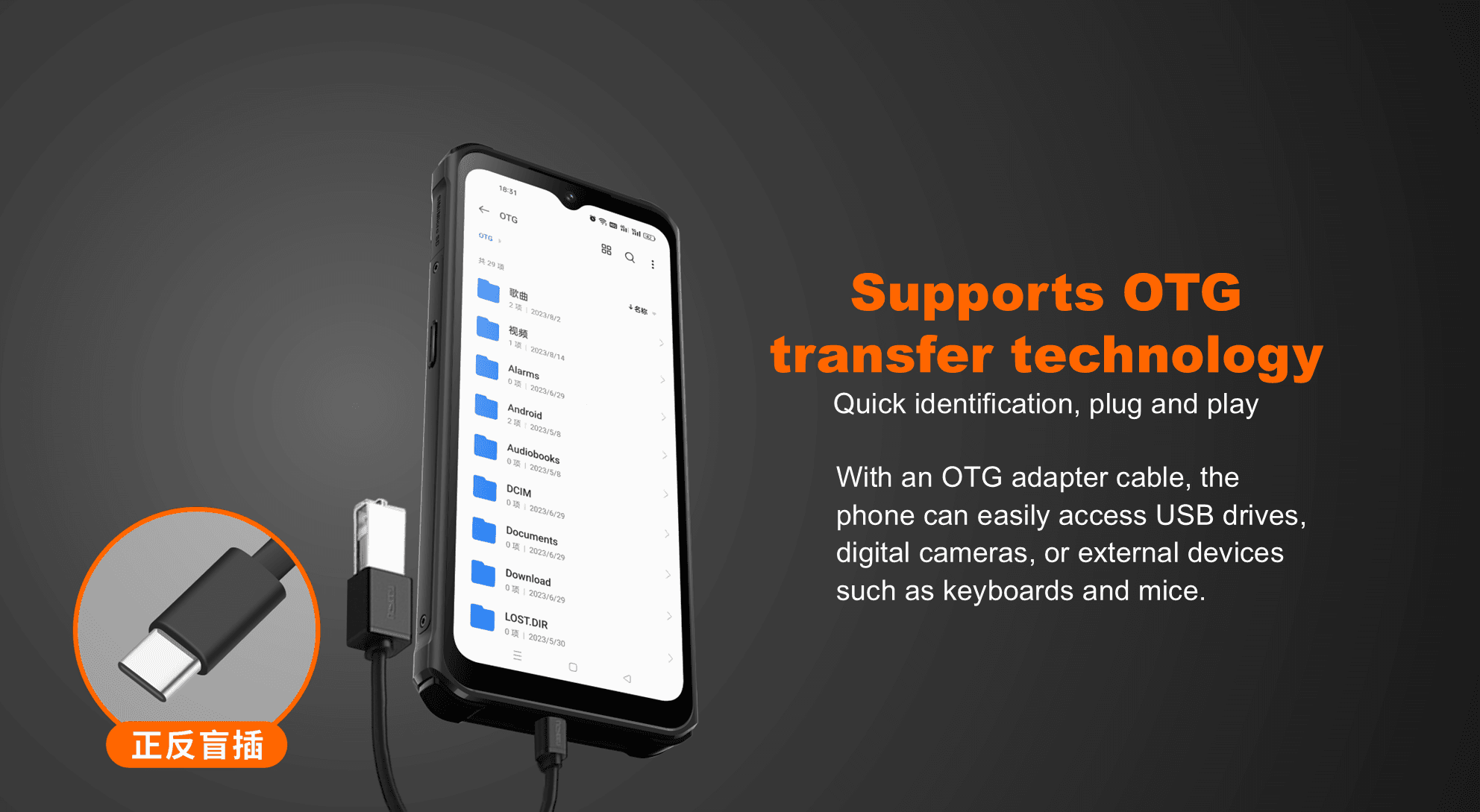
The device supports dual SIM cards and comprehensive network compatibility (2G/3G/4G LTE bands 1/3/7/8/20), enabling seamless communication across remote sites in Malaysia’s Peninsular and East Malaysia regions. Features like NFC, Wi-Fi hotspot, and Bluetooth facilitate data transfer between teams and integration with IoT sensors. GPS + AGPS + Glonass enhances location tracking for personnel working in sprawling facilities. Additionally, 4-camera setup (16MP rear + 5MP front) allows documentation of equipment damage or safety inspections, while video recording and voice memos streamline reporting processes.
User-Centric Features for Industrial Use
The Polaris includes practical tools such as fingerprint authentication, hands-free mode, and motion/light/proximity sensors, improving usability in noisy or low-visibility environments. Its MIL-STD-like durability (though not explicitly stated) is inferred from the rugged build (344g weight, 18.2mm thickness) and resistance to shocks. Compatibility with apps like WhatsApp (via browser) and social platforms ensures connectivity without compromising security protocols.
Compliance and Market Relevance in Malaysia
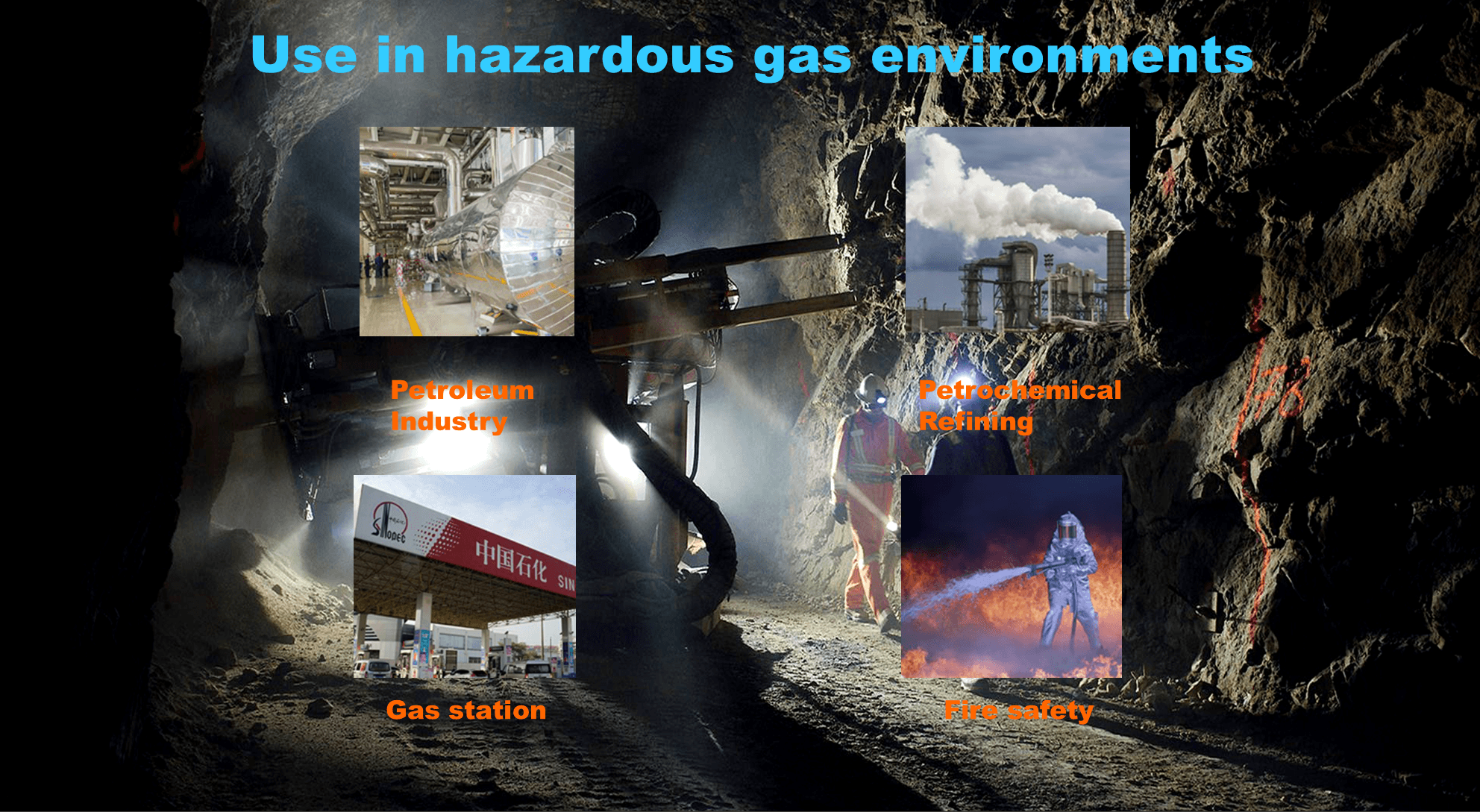
Malaysia’s Department of Occupational Safety and Health (DOSH) mandates strict adherence to ATEX/IECEx standards for equipment in hazardous industries. The Polaris aligns with these regulations, making it viable for adoption in Petronas-operated refineries, Sabah’s LNG terminals, or Johor’s petrochemical parks. The inclusion of multi-language support (English and others) caters to Malaysia’s diverse workforce, including international contractors.
The Polaris explosion-proof mobile phone addresses critical challenges in Malaysia’s petroleum sector by combining ATEX-certified safety, durable construction, and advanced connectivity. While its HD resolution may lag behind consumer-grade devices, this trade-off prioritizes reliability in explosive atmospheres. For companies seeking to enhance operational safety and efficiency, the Polaris represents a strategic investment. Future iterations could benefit from enhanced screen resolution and extended battery life, but current capabilities position it as a leading ex proof phone solution in Southeast Asia’s energy landscape.