Explosion-Proof Mobile Phones in Bahrain’s Energy Industry: Industrial Mobile Communication Demand Behind Bapco Energies
Although Bahrain’s energy market is smaller than those of Saudi Arabia and the UAE, the country has a well-established oil refining, natural gas, and industrial manufacturing sector. At the center of this energy ecosystem is Bapco Energies, which operates and manages critical energy infrastructure, including refineries, oil storage facilities, pipelines, and production assets.
As a result, there is a steady demand for industrial mobile communication equipment that can be safely used in hazardous areas. For workers operating in oil and gas facilities, an ordinary commercial smartphone may not be suitable for use in areas where flammable gases, vapors, or combustible dust may be present.
In these environments, electrical equipment must be carefully selected to prevent ignition risks caused by sparks, electrical faults, or excessive surface temperatures. This is why engineers, maintenance personnel, and contractors working in hazardous areas often require certified ATEX mobile devices or other intrinsically safe mobile equipment.
Bapco Energies and the Growing Market for Explosion-Proof Mobile Devices
When analyzing Bahrain’s energy industry, Bapco Energies is one of the most important organizations to consider. As a key part of Bahrain’s national energy sector, the group is involved in oil refining, upstream activities, natural gas, and other energy-related infrastructure.
The increasing use of digital technologies in industrial operations is also changing the requirements for mobile devices. Smartphones are no longer used only for voice communication. In modern oil and gas facilities, industrial mobile devices can support field inspections, maintenance management, asset tracking, data collection, barcode scanning, and communication between field personnel and control rooms.
This creates an important market opportunity for intrinsically safe mobile devices and explosion proof mobile phones designed specifically for hazardous industrial environments.
BAPCO Modernization Project and the Demand for Safer Mobile Technology
In addition to its day-to-day refinery operations, the BAPCO Modernization Project is another important factor when assessing Bahrain’s demand for industrial mobile communication equipment.
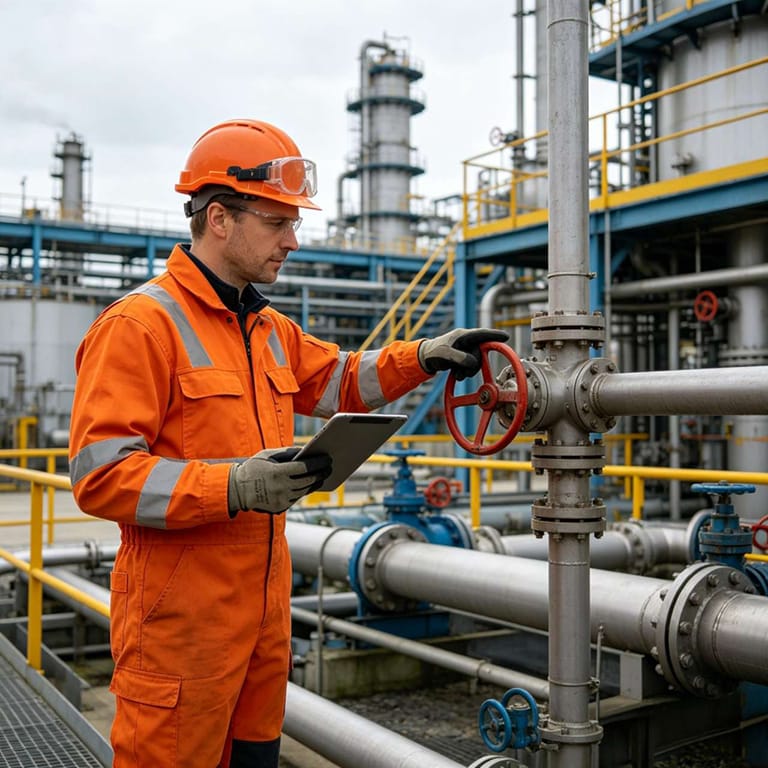
Large-scale modernization projects involve significant numbers of engineers, construction workers, maintenance teams, instrumentation specialists, and project management personnel working inside or around operating industrial facilities. For these professionals, a smartphone can become an essential field tool rather than simply a communication device.
Engineers may use mobile devices to access technical documents, receive work instructions, submit maintenance reports, complete inspection checklists, scan asset identification codes, and communicate with colleagues and control-room personnel.
However, when these applications are used inside hazardous areas, conventional commercial smartphones may not meet site safety requirements. This is where the concept of a BAPCO approved intrinsically safe phone becomes particularly important.
It is important to distinguish between product certification and site approval. A device may have ATEX or IECEx certification, but individual oil and gas companies can have additional requirements concerning approved equipment, suppliers, and permitted devices for specific operating areas.
The Evolution of the Explosion-Proof Mobile Phone
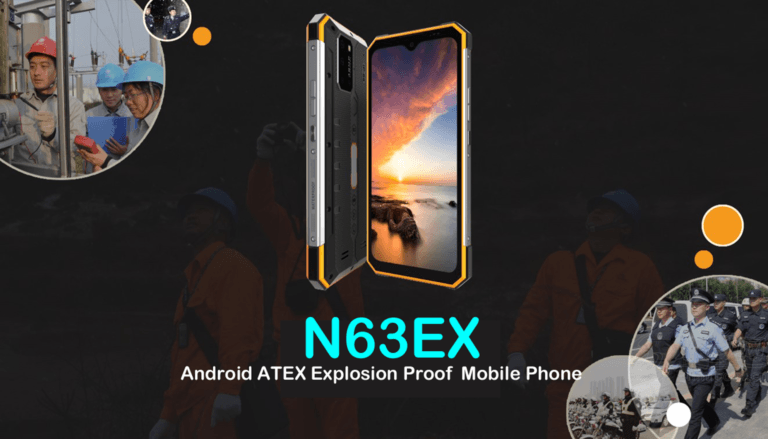
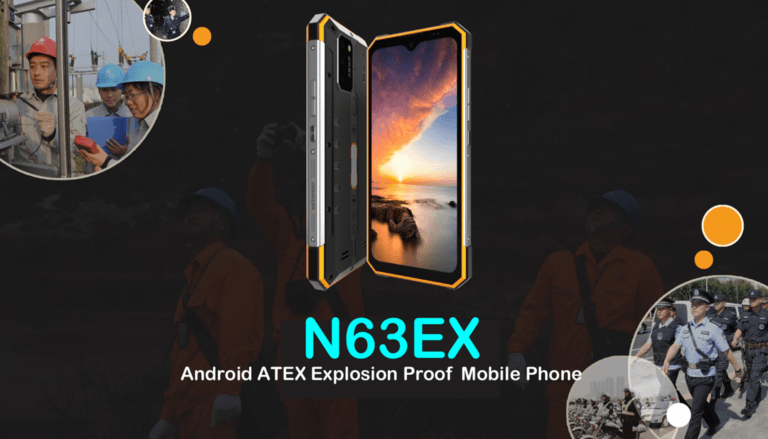
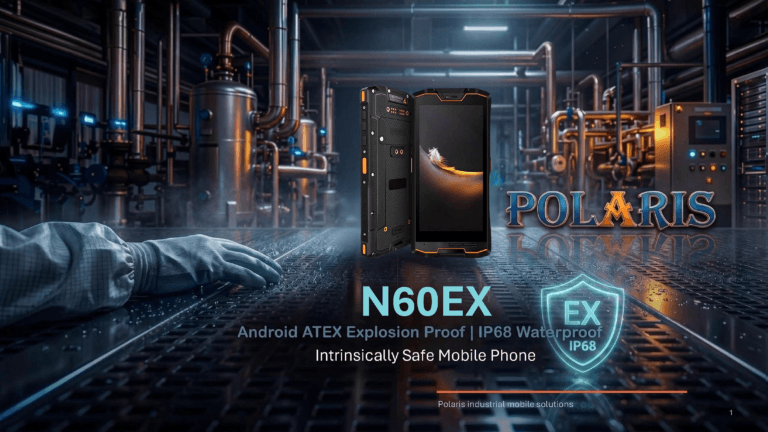
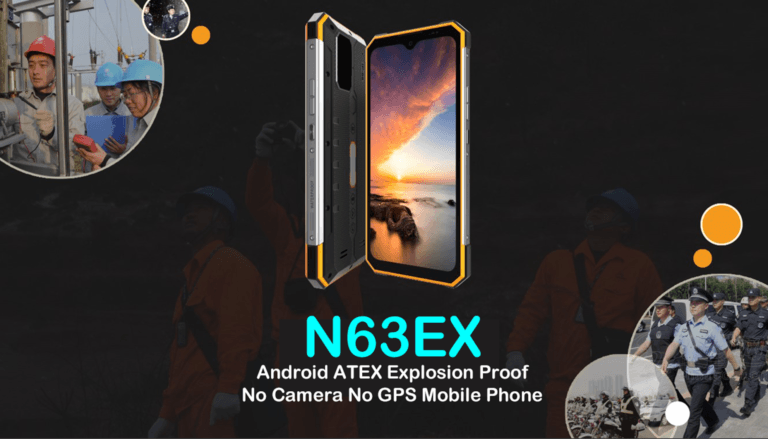
Compared with the basic explosion-proof feature phones used in the past, today’s explosion proof mobile phone has become a much more capable industrial tool.
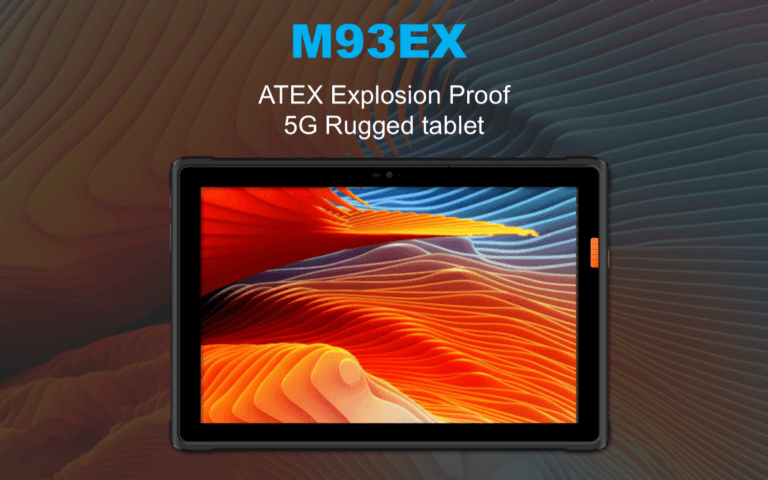
Modern intrinsically safe smartphones can run Android and may support 4G or 5G connectivity, Wi-Fi, Bluetooth, NFC, GPS, cameras, barcode scanning, and other functions required for industrial applications. Depending on the certification and configuration, some devices can also run inspection, maintenance, workforce management, and asset management applications.
This evolution is particularly relevant to Bahrain’s oil and gas industry.
Instead of requiring field personnel to carry both a conventional smartphone and a separate industrial data-collection terminal, a certified ATEX mobile device can potentially combine communication, inspection, barcode scanning, and field data collection in a single rugged platform.
For maintenance teams working in refineries, tank farms, pipelines, and other industrial facilities, this can simplify daily operations while reducing the number of devices that employees need to carry.
Choosing the Right ATEX Mobile Device for Oil & Gas Applications
Not every explosion-proof mobile phone is suitable for every hazardous area. The required certification and protection level depend on the specific operating environment.
When purchasing an ATEX mobile device for the Oil & Gas or Energy & Power industry, companies should look beyond the simple presence of an ATEX label. Important technical factors include the applicable explosion protection method, equipment group, gas or dust classification, temperature class, and whether the device is approved for Zone 1, Zone 2, or other hazardous-area applications.
Battery safety, operating temperature, IP protection, communication capabilities, Android compatibility, barcode scanning performance, and long-term software support can also be important considerations for industrial users.
For companies operating in Bahrain’s oil and gas sector, the combination of appropriate hazardous-area certification and practical industrial functionality is becoming increasingly important. As digital transformation continues across refineries, energy infrastructure, and maintenance operations, intrinsically safe smartphones are evolving from simple communication devices into essential tools for industrial field operations.