
Application of Intrinsically Safe Mobile Phones in Vietnam’s Oil and Petrochemical Industry
Part 1: Overview of Vietnam’s Petroleum Exploration and Refining Industry
Vietnam’s oil and gas industry is one of the pillar industries of the country’s economy, and its operation, management and main activities are mainly led by PetroVietnam and its affiliated companies.
- Core Exploration Enterprise: PetroVietnam
PetroVietnam is a state-owned comprehensive energy group that oversees Vietnam’s oil and gas exploration, production, refining, distribution and services. In the exploration field, its subsidiary PetroVietnam Exploration Production Corporation is the backbone of offshore oil and gas exploration and production operations. However, due to capital and technical constraints, Vietnam’s oil and gas exploration is highly dependent on cooperation with international oil giants through the Production Sharing Contract model. Major international partners include:
• Zarubezhneft of Russia: a long-term key partner for important blocks such as the Bach Ho Oilfield.
• International giants such as ExxonMobil, Shell and TotalEnergies: conducting exploration cooperation in multiple blocks in the South China Sea.
• Idemitsu Kosan, Mitsui Oil Exploration Co., Ltd. of Japan, etc.
Vietnam’s crude oil production is mainly concentrated on the southern continental shelf, especially the Nam Con Son Basin. The Bach Ho Oilfield is the country’s largest and most famous oilfield, having produced a cumulative total of over 240 million tons of crude oil since it was put into operation in 1986. In addition, oilfields such as Dai Hung, Thanh Long and Ruby are also important contributors to production. In recent years, although some major oilfields have entered a production decline period, the group is still striving to maintain production through new technologies and explore new reserves in areas such as the Red River Basin and the Malay-Tho Chu Basin.
- Current Status of the Petroleum Refining Industry
Compared with the exploration industry, Vietnam’s refining capacity has long been a weak link in its industrial chain, and the country has been heavily dependent on imported refined oil products. To enhance energy independence and security, Vietnam is vigorously promoting the construction of refining projects, and has now formed a pattern of “two major refining centers in the north and south”:
• Dung Quat Refinery: Vietnam’s first modern refinery, a joint venture constructed by PetroVietnam and Japan’s Idemitsu Kosan, etc., with a designed annual crude oil processing capacity of about 6.5 million tons, mainly meeting the demand in the central and southern regions.
• Nghi Son Refinery: Vietnam’s largest and most technologically complex integrated refining and petrochemical project, a joint venture built by PetroVietnam with Kuwait Petroleum International, Japan’s Mitsubishi Chemical, etc., with an annual processing capacity of up to 10 million tons of crude oil. Its commissioning has greatly improved Vietnam’s self-sufficiency rate of petrochemical products.
• Ninh Binh Refinery: a project in cooperation with PTT Public Company Limited of Thailand, etc., and Vietnam’s first refinery to fully adopt catalytic cracking technology.
These refining centers are all high-risk environments with high temperature and high pressure, continuous production, and processing of large quantities of flammable and explosive hydrocarbon substances, imposing extremely stringent requirements on production safety and explosion protection.
Application of Explosion-Proof Communication and Polaris N63EX Mobile Phone in High-Risk Environments
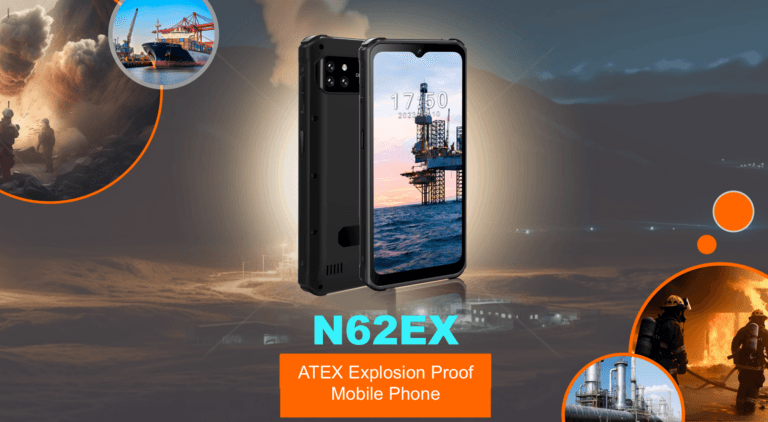
In the oil and gas industry, explosive gas atmospheres are widely present from offshore drilling platforms and onshore well sites to catalytic cracking units, distillation units and tank farms in refineries. Electric sparks or high-temperature surfaces generated by any non-explosion-proof electrical equipment may trigger catastrophic accidents. Therefore, in these areas, all electrical equipment must comply with explosion-proof certification standards.
- Standards and Market of Explosion-Proof Communication Equipment
The core internationally accepted explosion-proof standards include:
• ATEX: the EU directive on equipment and protective systems intended for use in potentially explosive atmospheres, a mandatory certification for entering the European and many international markets.
• IECEx: the international certification system for equipment for explosive atmospheres of the International Electrotechnical Commission, widely accepted worldwide.
• North American standards: such as Class I, Division 1/2 (for gases and vapors).
Mobile phones complying with these standards are usually referred to as explosion-proof mobile phones, intrinsically safe mobile phones, ATEX mobile phones or intrinsically safe type mobile phones. Through special designs (such as limiting circuit energy, using reinforced casings, avoiding electrostatic accumulation, etc.), they ensure safe use even in the most dangerous Zone 0 (where explosive gas atmospheres are present continuously or for long periods) or Zone 1 (where explosive gas atmospheres may be present occasionally).
In Vietnam’s oil, gas and refining industry, operators (such as PetroVietnam and its joint ventures) usually formulate strict restricted area regulations and mandate that personnel and contractors working in these areas use certified explosion-proof communication equipment.
- In-Depth Application Analysis of Polaris N63EX Explosion-Proof Mobile Phone
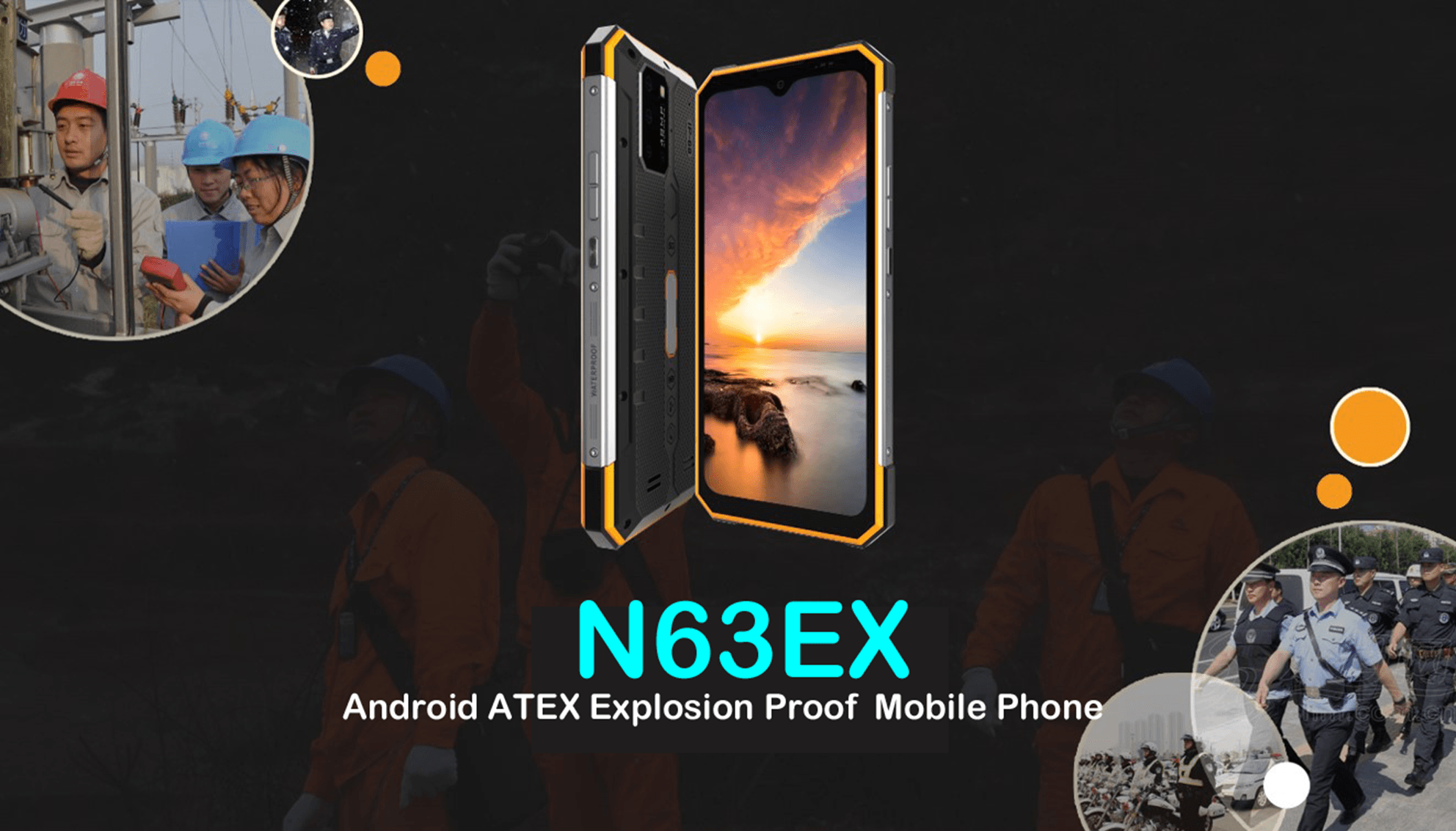
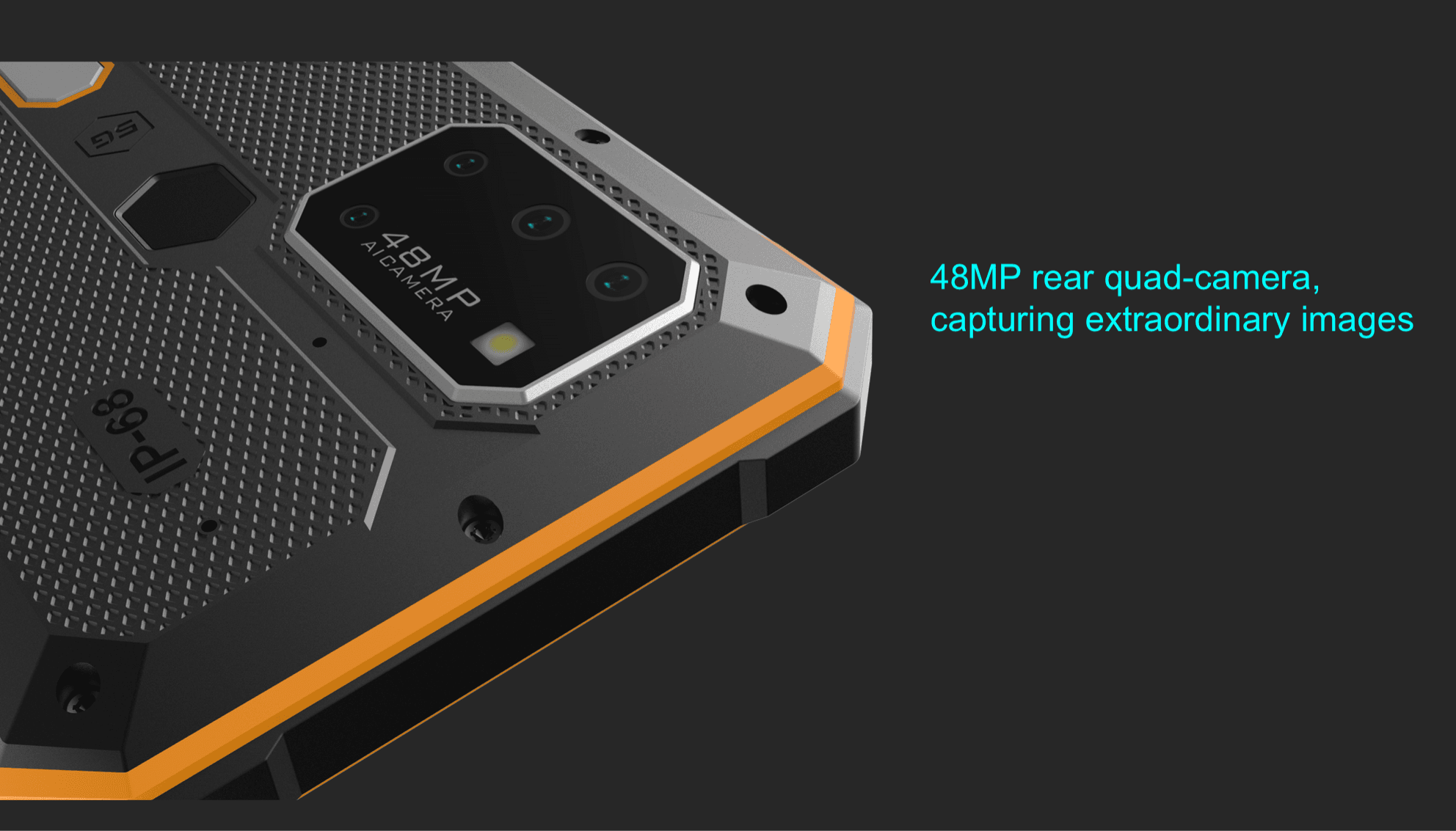
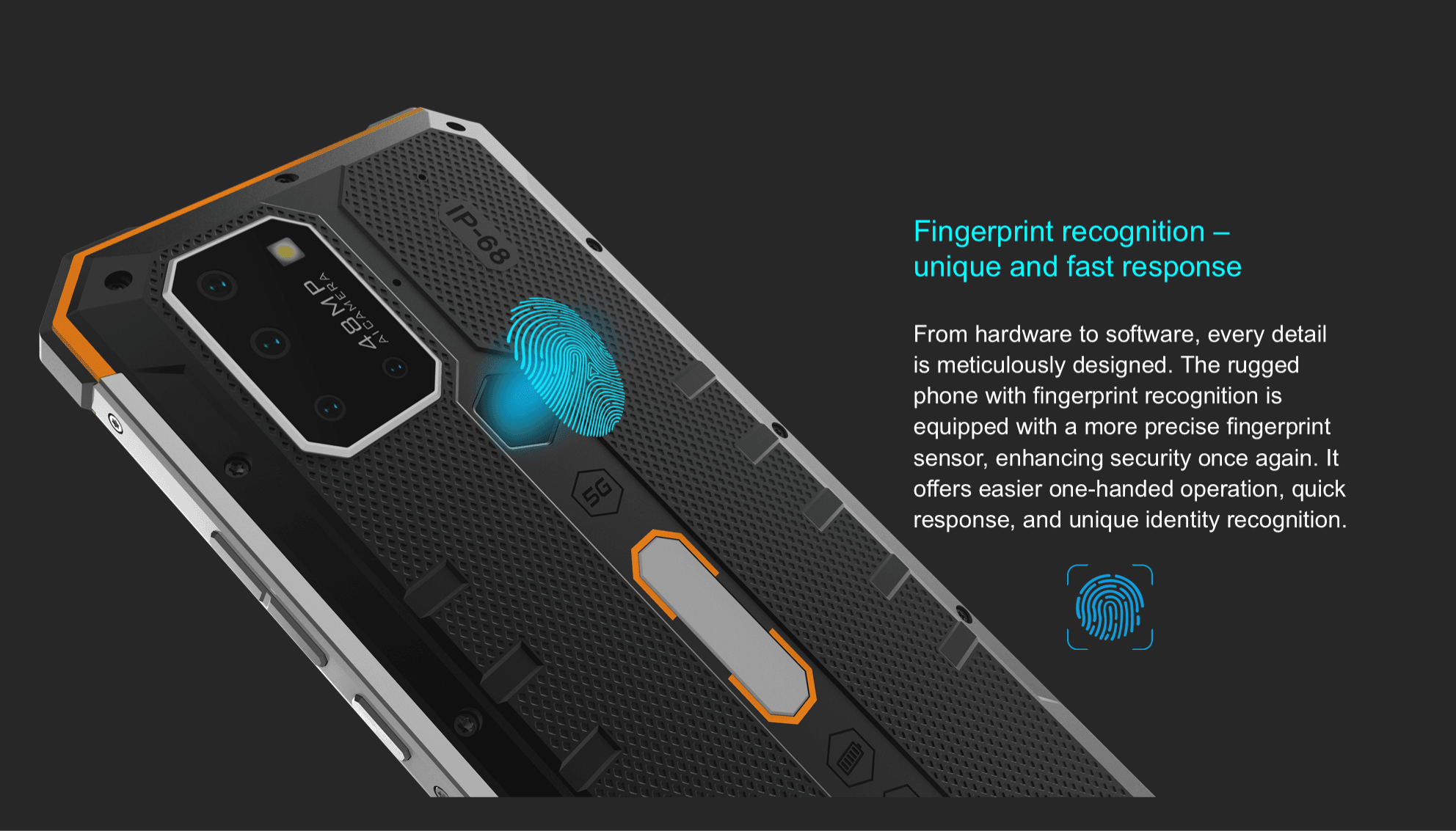
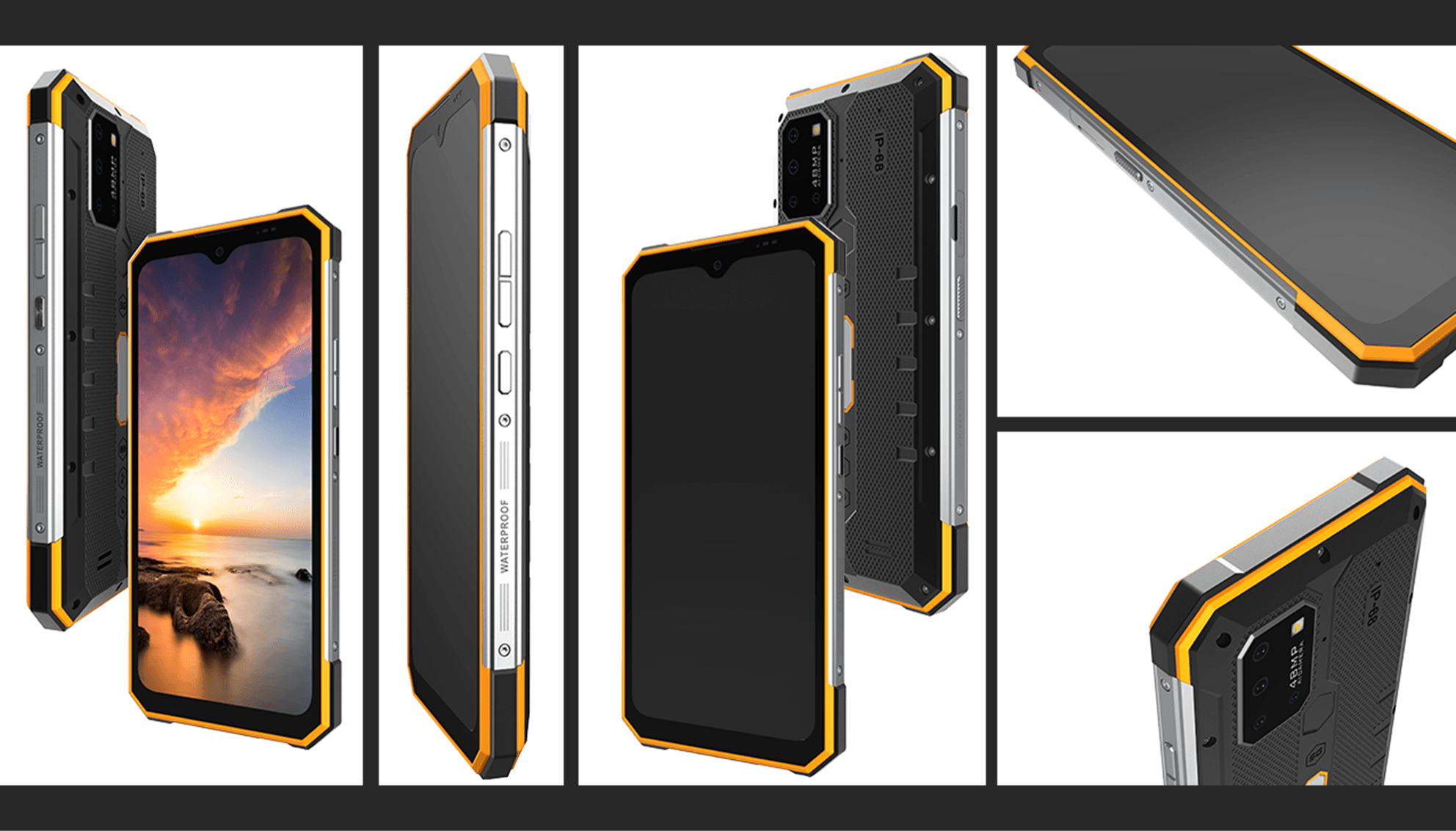
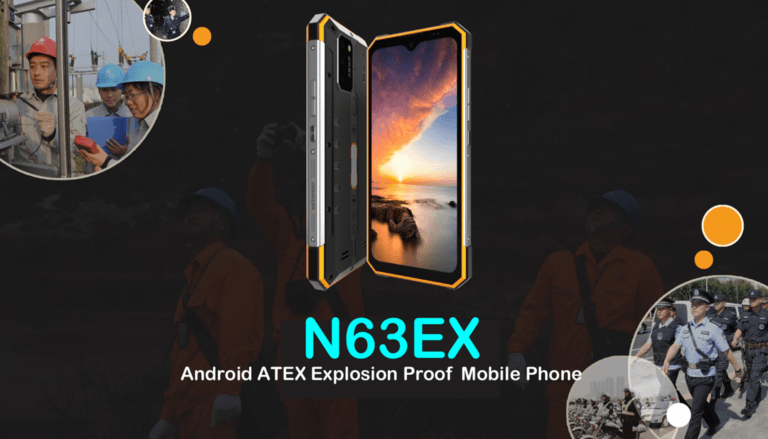
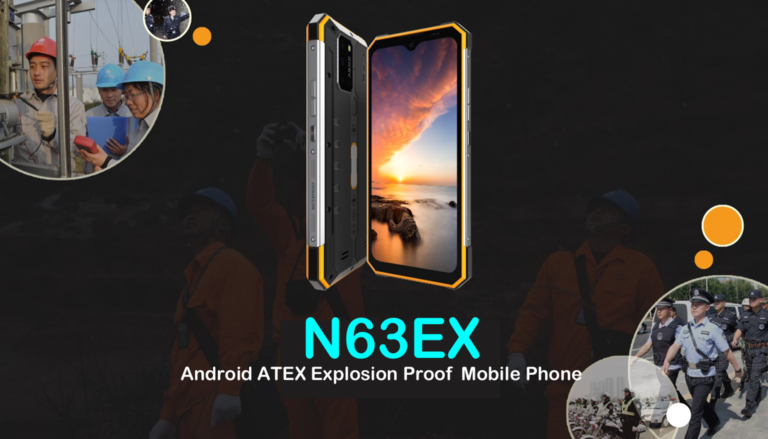
Polaris N63EX is a high-performance intrinsically safe explosion-proof smart phone designed for extreme industrial environments. Its application in Vietnam’s oil and gas industry reflects how modern digital technology deeply empowers the safety and efficiency of traditional industries.
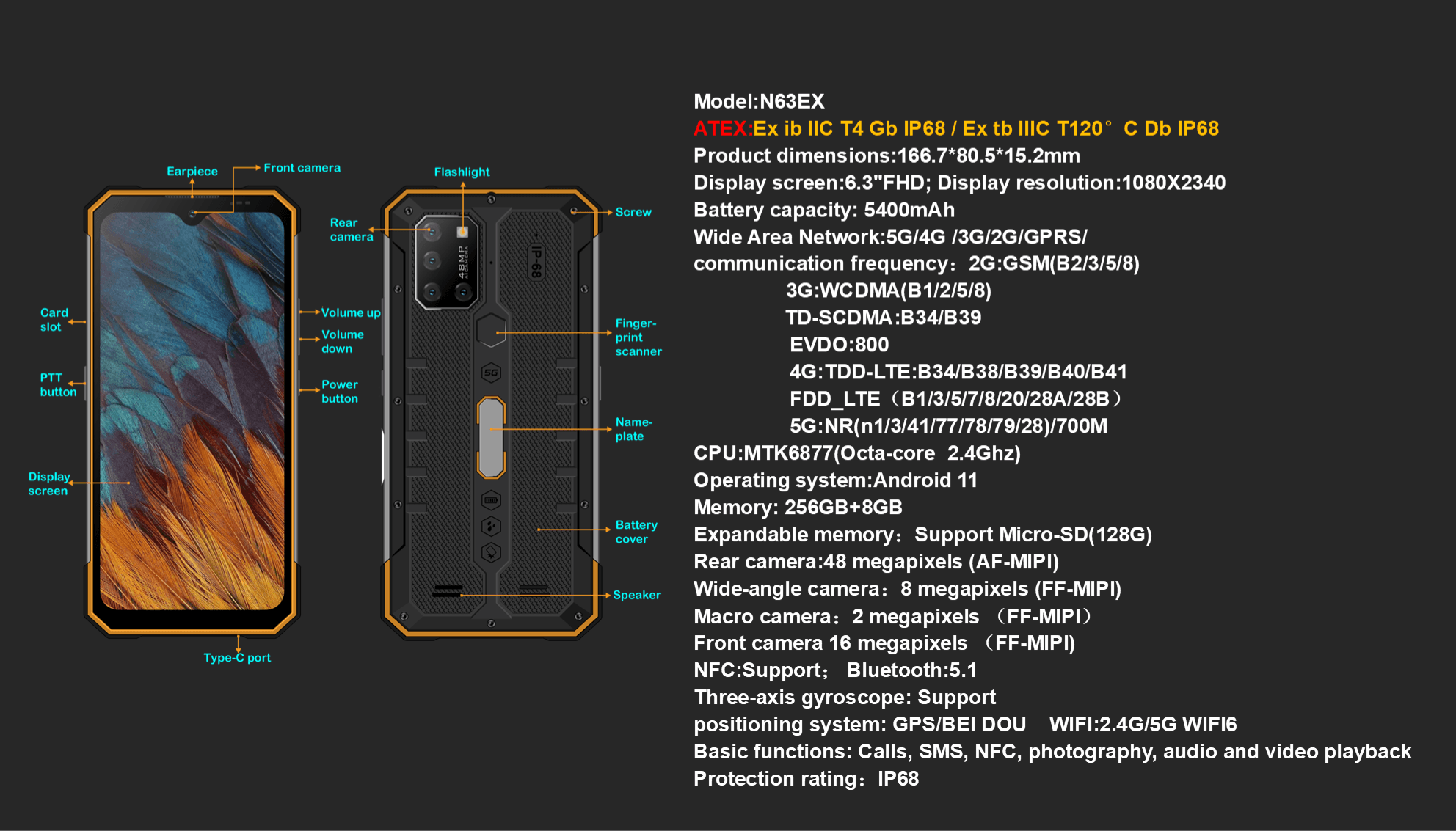
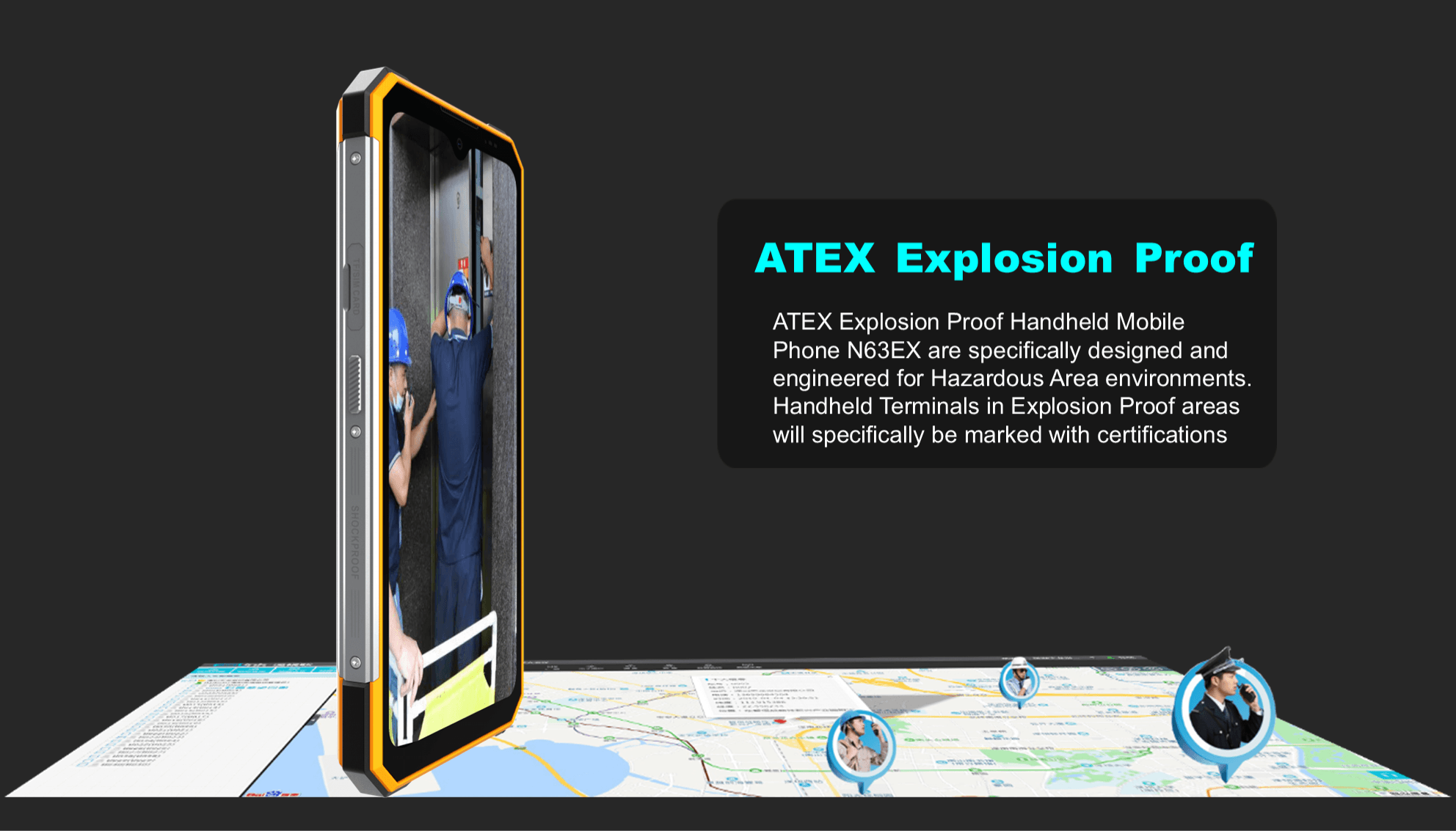
• Core Explosion-Proof Certifications: The N63EX has obtained dual ATEX and IECEx certifications, suitable for gas and dust explosive atmospheres. This enables it to be legally and safely used in drilling decks, pump areas, natural gas processing plants of oilfields, process areas, filling stations, tank farms of refineries and core production areas of chemical plants.
• Specific Application Scenarios in Vietnam’s Oil and Gas Industry:
- Offshore Drilling Platforms and FPSOs: In offshore facilities with limited space, strong environmental corrosion and extremely high risks, the rugged body and explosion-proof characteristics of the N63EX allow engineers and inspectors to safely carry it into production modules for equipment status checks, real-time data recording (through customized Apps), and high-definition video calls with the central control room for remote fault diagnosis, greatly improving inspection efficiency and emergency response speed.
- Onshore Oil and Gas Fields and Processing Plants: In stations full of valves, flanges and pipelines, operating personnel can use the N63EX IS safe phone to take photos of equipment nameplates, leak points or abnormal conditions, and the photos are instantly transmitted back to the maintenance management system via 4G/5G or Wi-Fi, realizing the rapid creation of work orders and accurate application for spare parts. Its high-decibel speaker and noise-cancelling microphone ensure clear call quality in noisy environments.
- Refineries and Petrochemical Plants: In complex refining unit areas, the N63EX Intrinsically Safe Mobile Phones is not only a communication tool but also a mobile operation terminal. It can integrate an electronic work permit system, allowing permit issuers to remotely review on-site safety conditions and issue work permits electronically; it can run augmented reality applications to help technicians “see” underground pipelines or the internal structure of equipment; its barcode/RFID scanning function facilitates asset inventory and chemical management.
- Construction and Overhaul Projects: During refinery expansion or unit overhauls, a large number of contractor personnel enter the site. The N63EX can serve as a carrier for identity identification, safety induction training and location monitoring, ensuring that all personnel operating in dangerous areas are equipped with qualified safety communication equipment.
• Technical Features Supporting Industrial Applications:
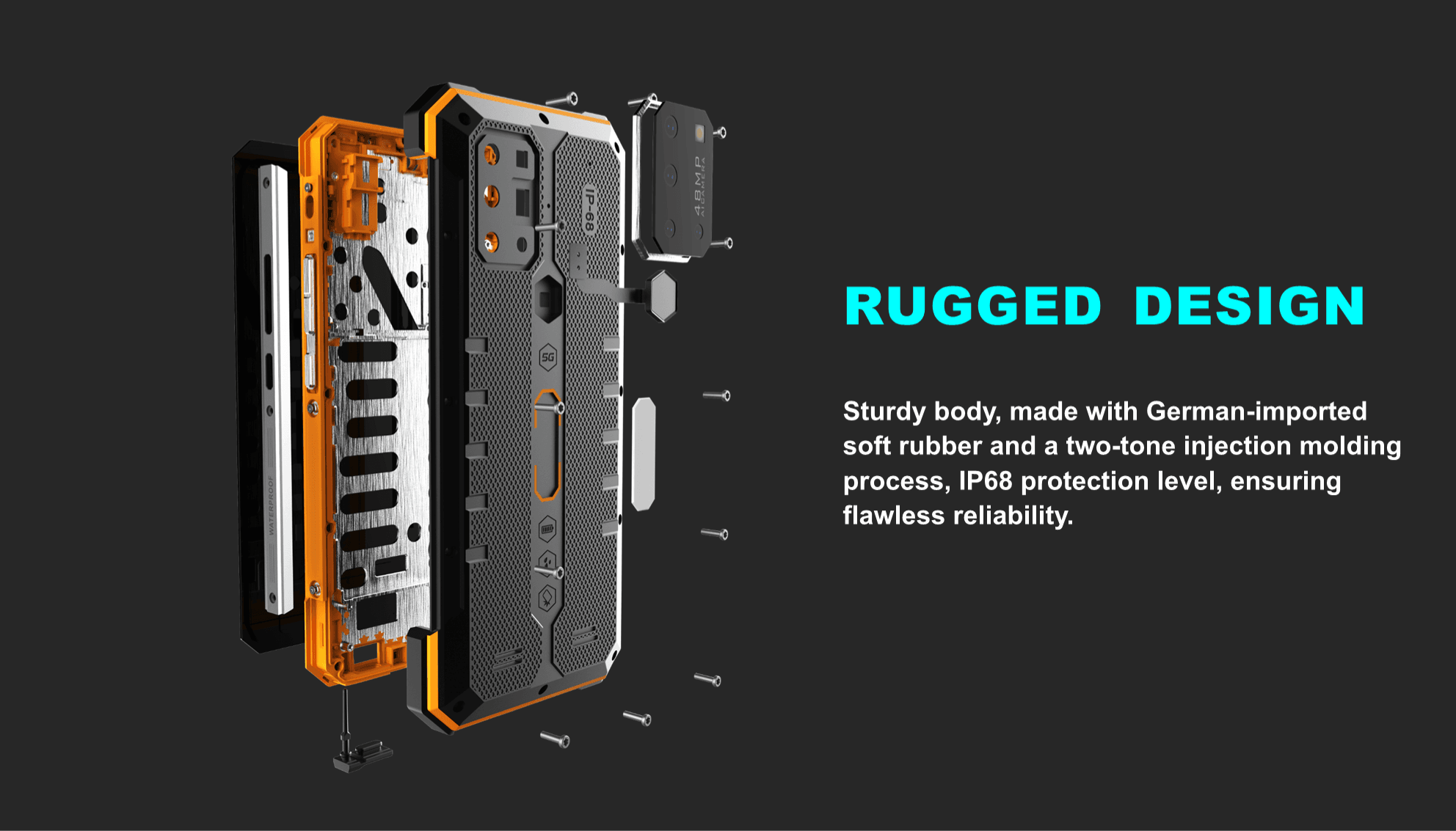
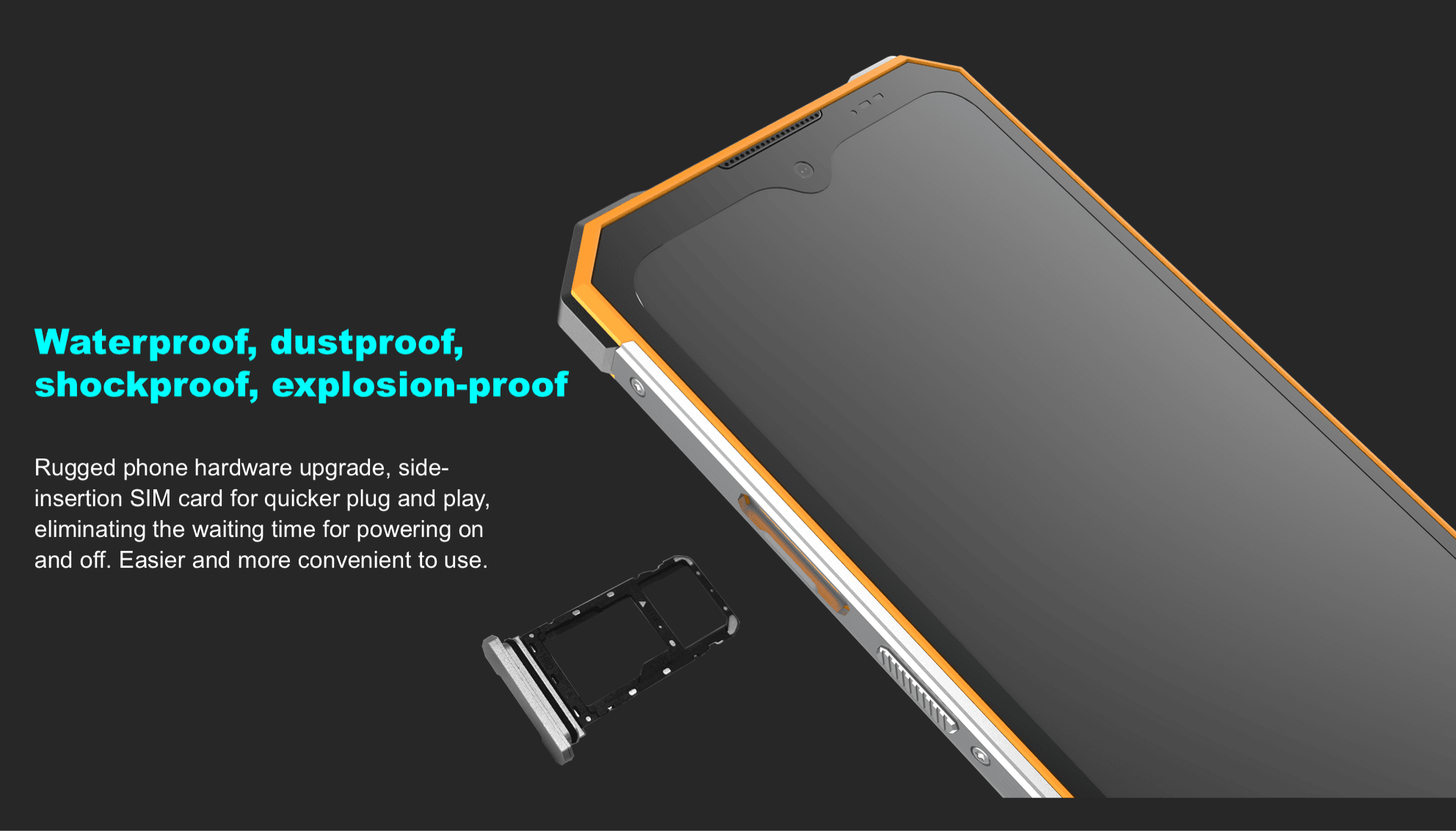
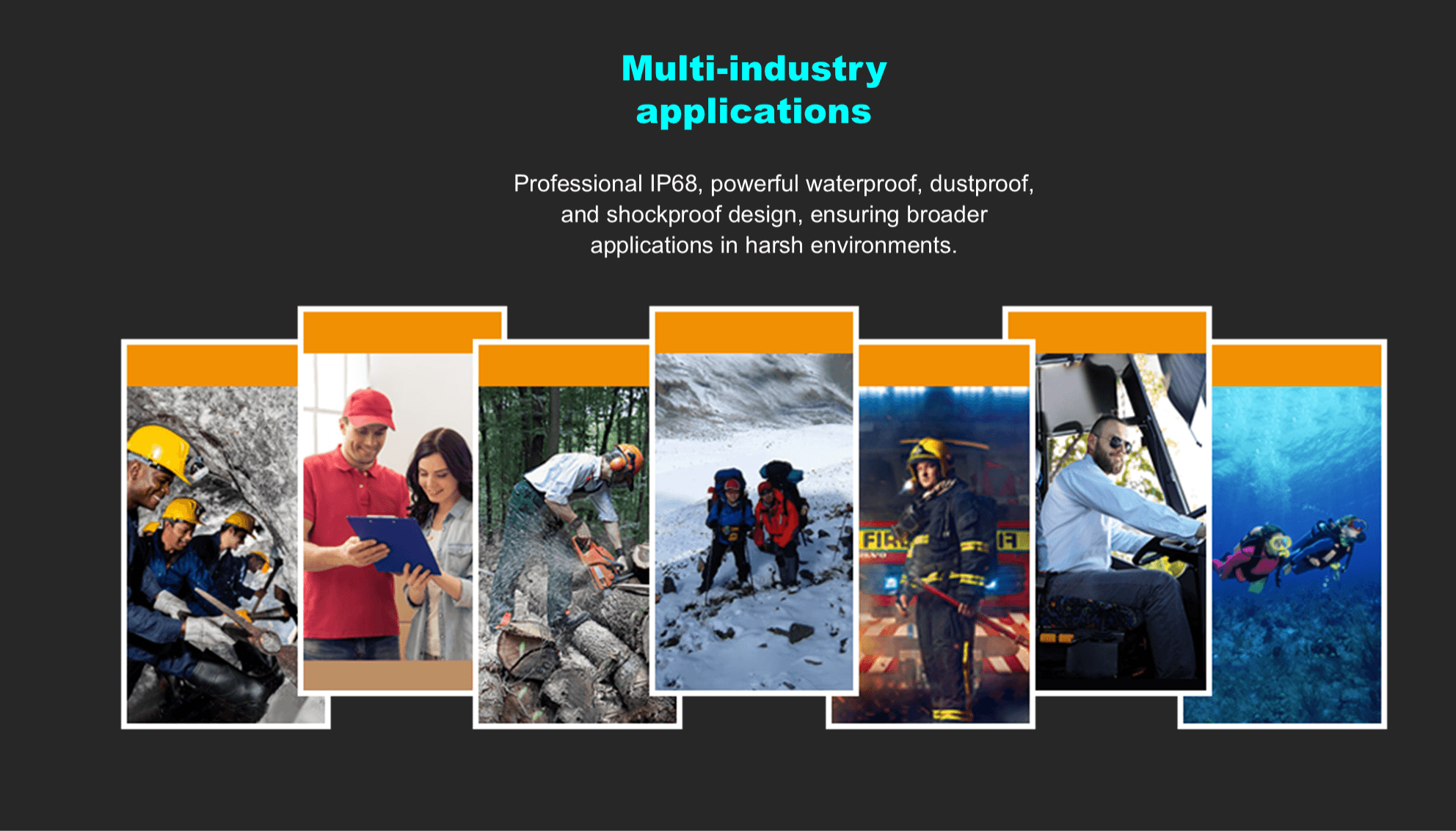
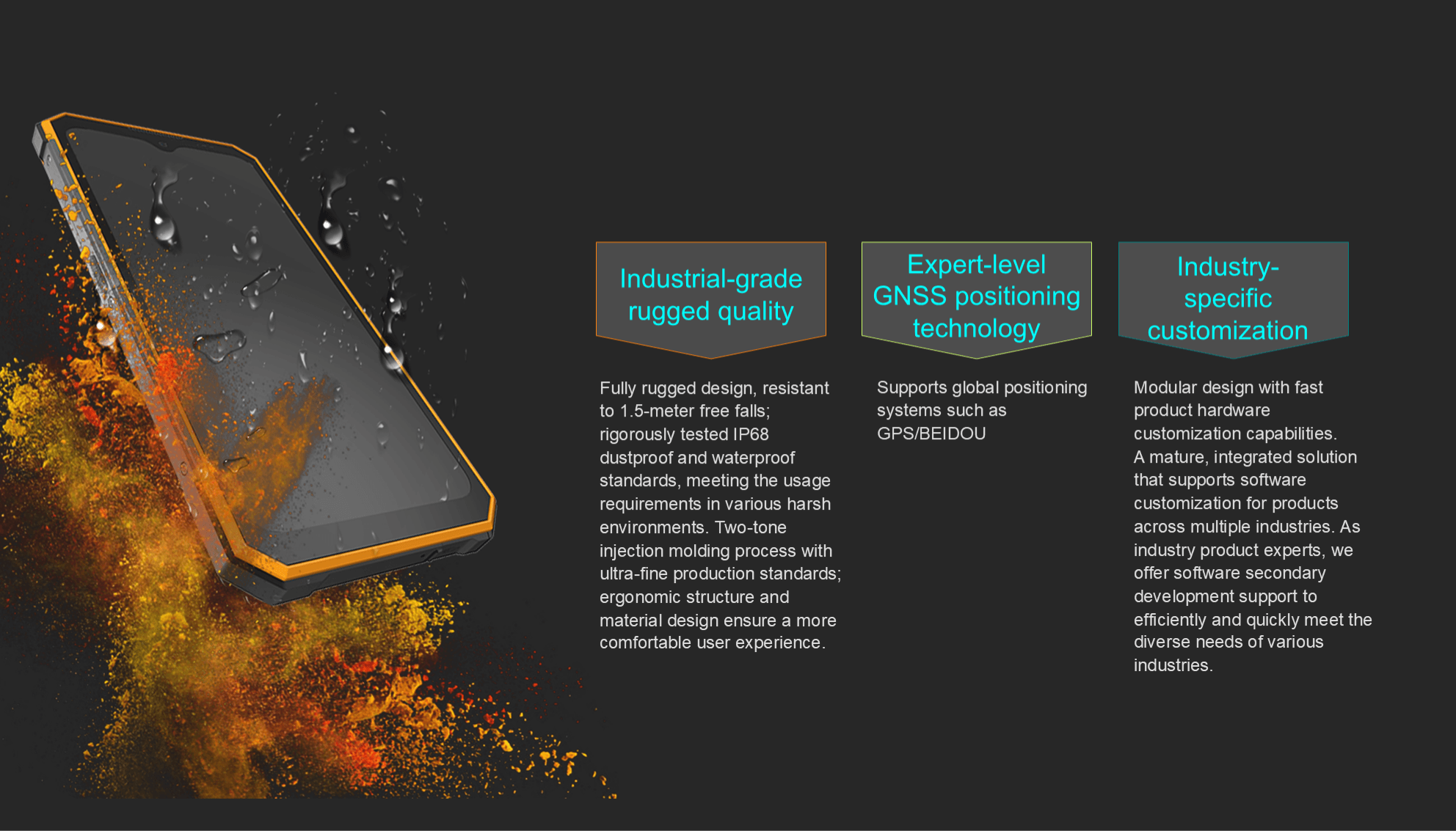
o Rugged and Durable: It usually complies with the MIL-STD-810H military standard, with an IP68 or even IP69K dust and water resistance rating, able to withstand drops, vibrations, extreme temperatures and chemical splashes, fully adapting to Vietnam’s tropical marine climate and the harsh conditions of industrial sites.
o Powerful Battery and Connectivity: A large-capacity battery supports long hours of operation, and multiple connectivity methods including 4G/5G full network communication, Wi-Fi, Bluetooth and GPS/GLONASS ensure that personnel can maintain contact and positioning even on remote offshore platforms or in vast factory areas.
o Professional Customization: It can be equipped with special software developed for the oil and gas industry, such as Apps for digital inspection, workflow management, safety observation and emergency command, transforming the mobile phone from a mere communication device into a productivity tool.
Vietnam’s oil and gas industry is transforming from a resource exploration-oriented model to an integrated industrial chain model with equal emphasis on exploration and sophisticated refining. This process puts forward higher requirements for production safety, operational efficiency and digital management. Against this backdrop, high-performance intrinsically safe explosion-proof smart phones such as the Polaris N63EX have transcended the category of traditional “safety phones” and evolved into intelligent mobile hubs connecting frontline operations and back-end management. By integrating safe voice and video communication, data collection, process management and personnel positioning, it provides a key technical support for Vietnam’s oil and gas industry to achieve safe, efficient and intelligent operation amid stringent safety regulations and fierce market competition. With the advancement of Vietnam’s Industry 4.0 strategy, the role of such explosion-proof intelligent terminals in accident prevention, predictive maintenance and digital transformation will become increasingly indispensable.