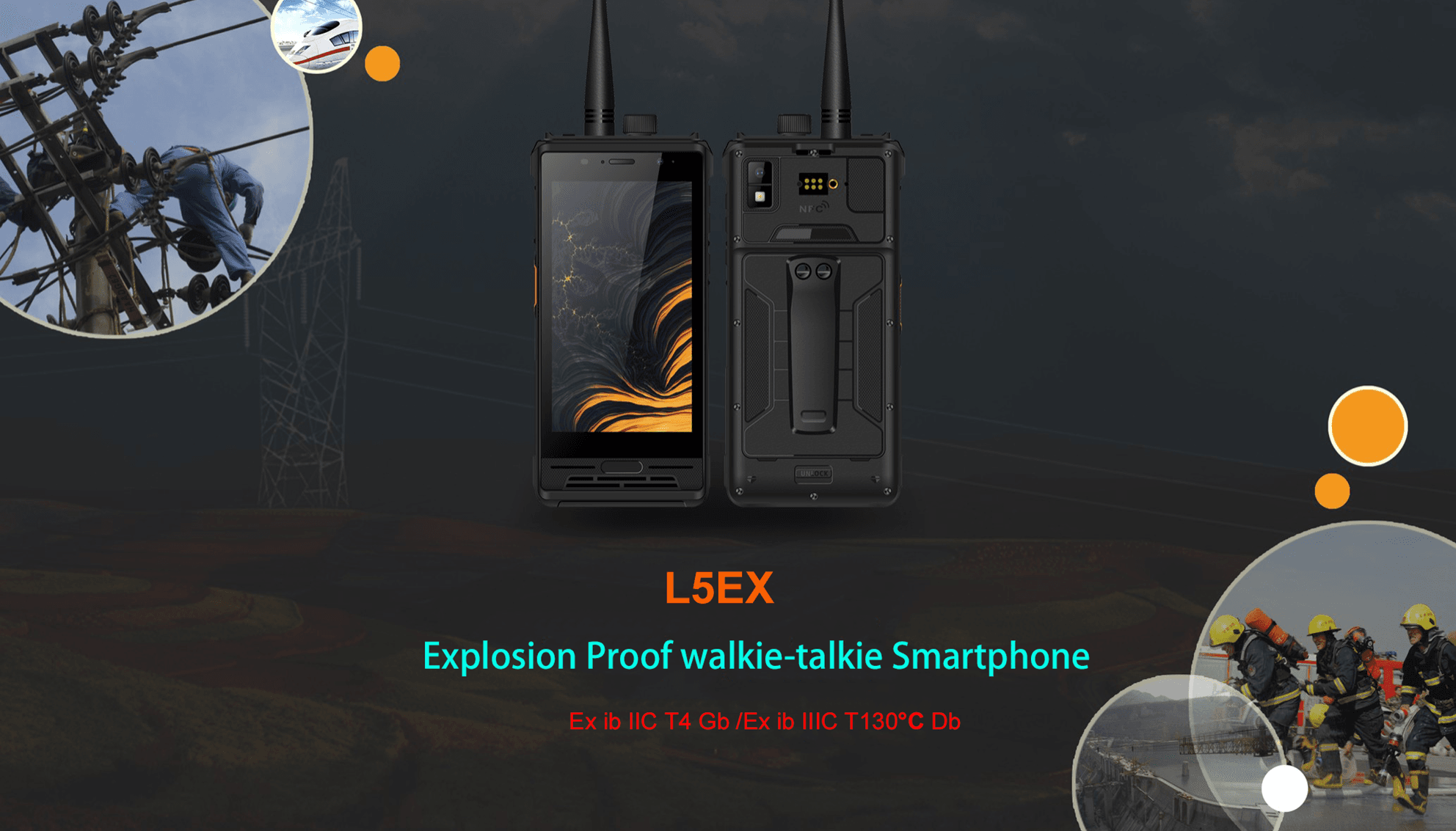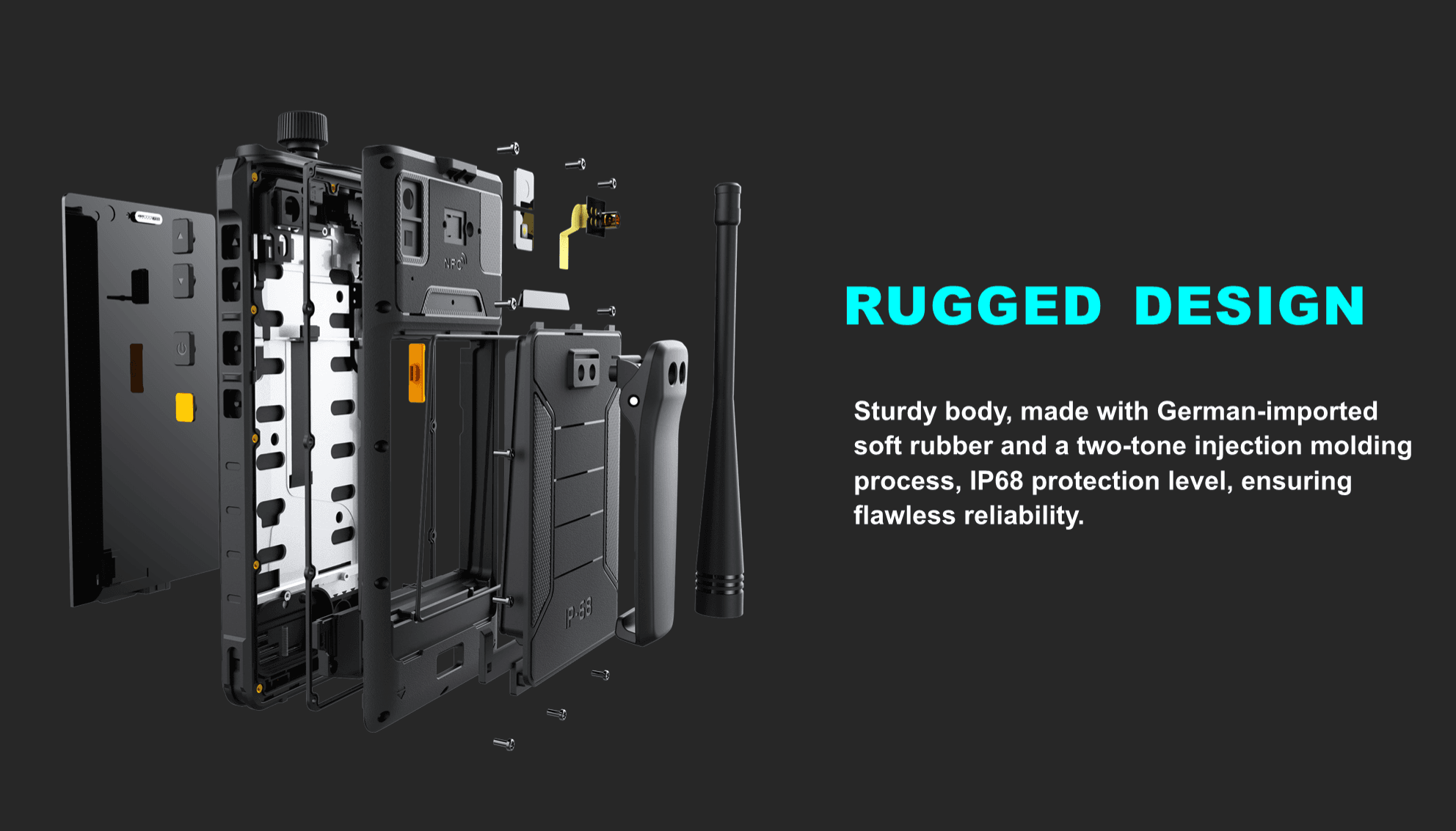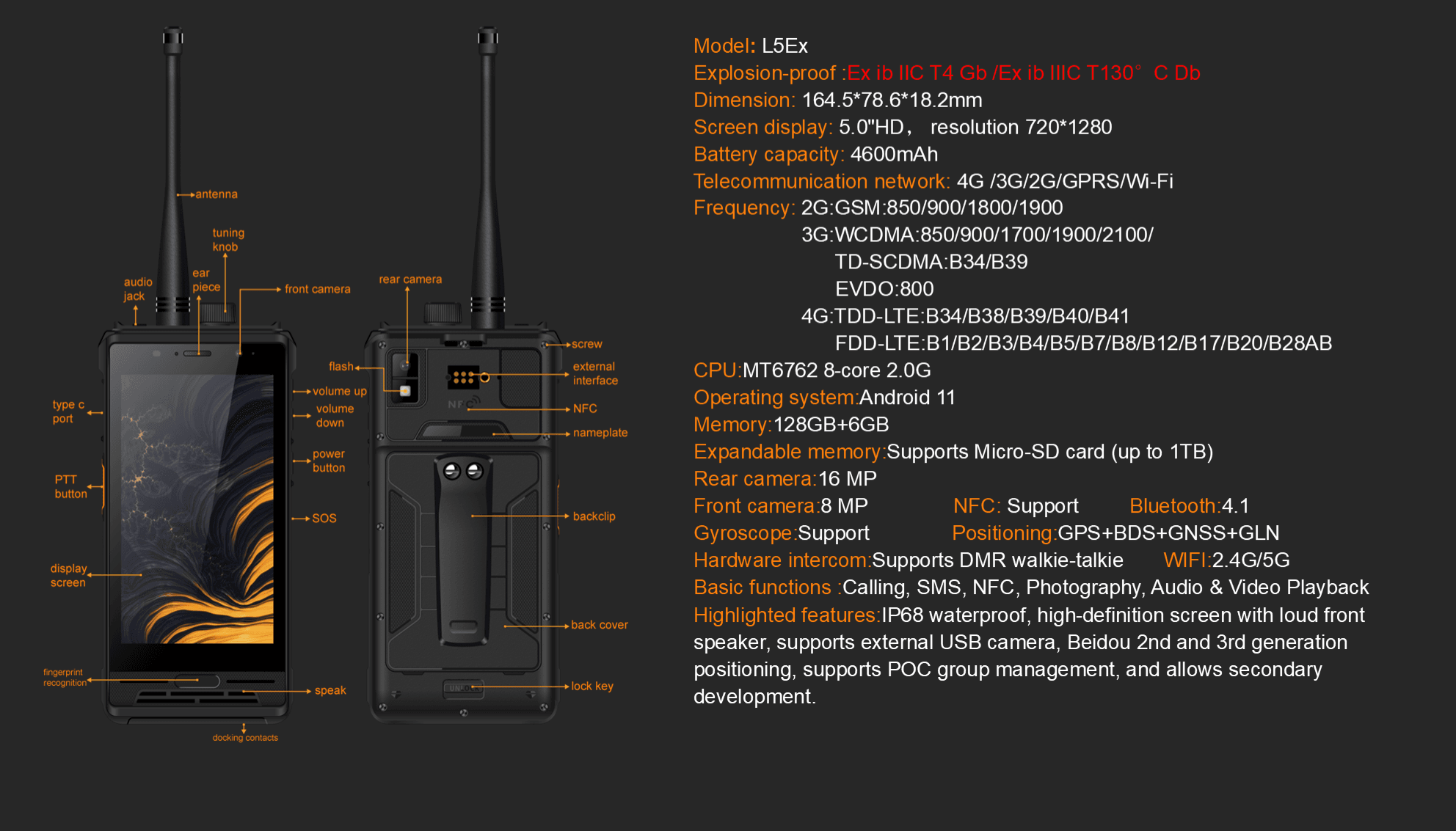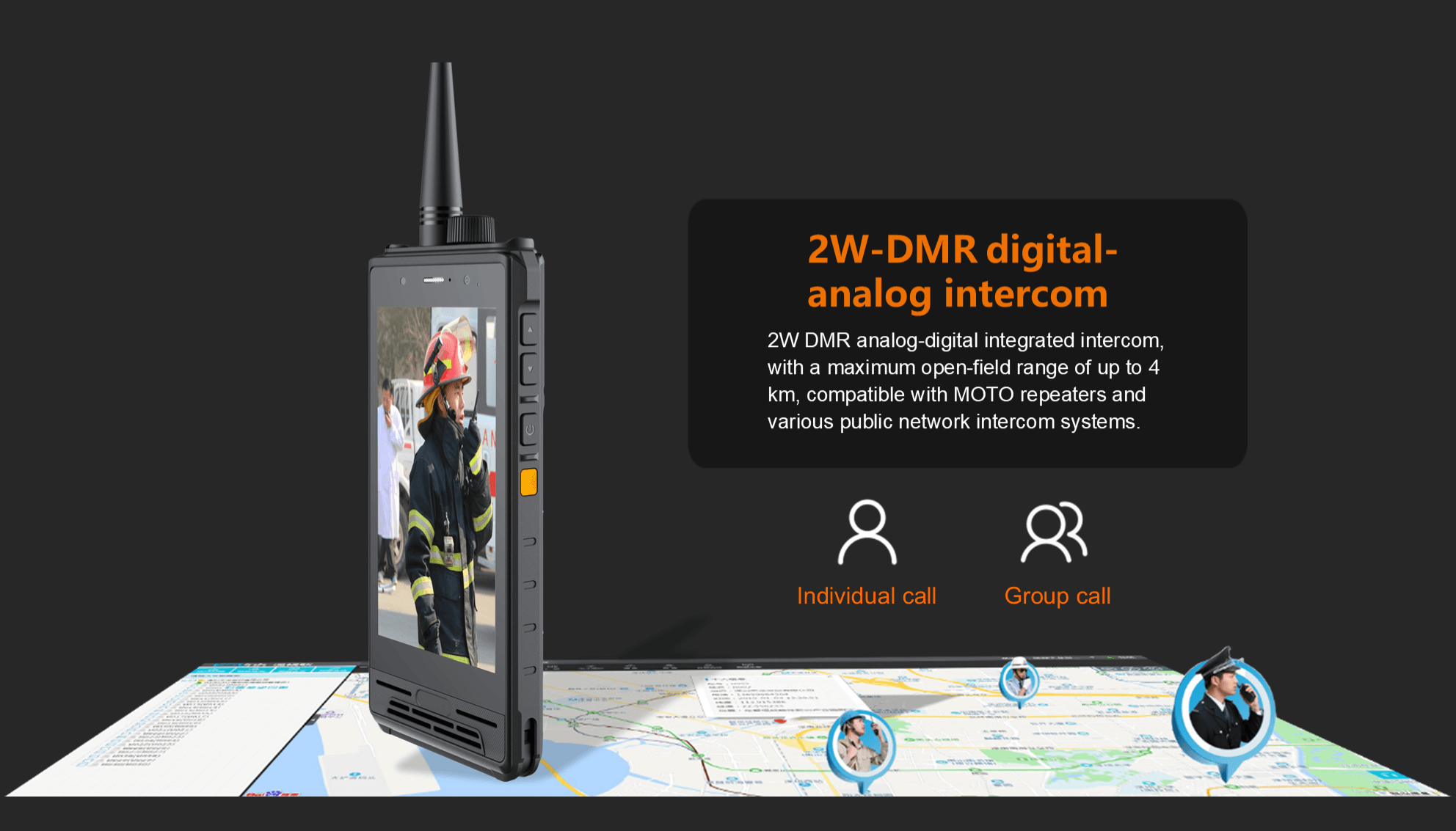
Explosion-proof Two-Way Communication Phones and Saudi Aramco: A Complementary Synergy
As of 2026, Saudi Arabia’s energy landscape remains characterized by a “one superpower, multiple strong players” structure, albeit highly concentrated. Saudi Aramco is not only the Kingdom’s largest oil producer but also the world’s highest-valued and most profitable energy giant. As Saudi Arabia’s sole state-owned oil company, Aramco controls virtually all of the country’s crude oil production and the vast majority of its natural gas operations. Between 2025 and 2026, Aramco’s average daily crude output has remained above 9 million barrels, and the company holds the world’s largest spare production capacity to respond to market fluctuations.
In the natural gas sector, Saudi Aramco similarly maintains absolute dominance. As Saudi Vision 2030 advances, natural gas is regarded as a critical pillar of the energy transition. Currently, Aramco is fully committed to developing the Jafurah gas field in the Eastern Province—the largest unconventional gas reservoir in the Middle East. The project is scheduled for full operation between late 2025 and 2026, which will significantly boost the Kingdom’s non-associated gas production, with the goal of achieving natural gas self-sufficiency by 2030 and expanding export capabilities. Aside from Saudi Aramco, while several small joint-venture refining enterprises exist (such as Petro Rabigh and SASREF), Aramco remains the undisputed sole core player in upstream exploration, development, and natural gas production.
II. Safety Pain Points and the Critical Need for Explosion-Proof Communications
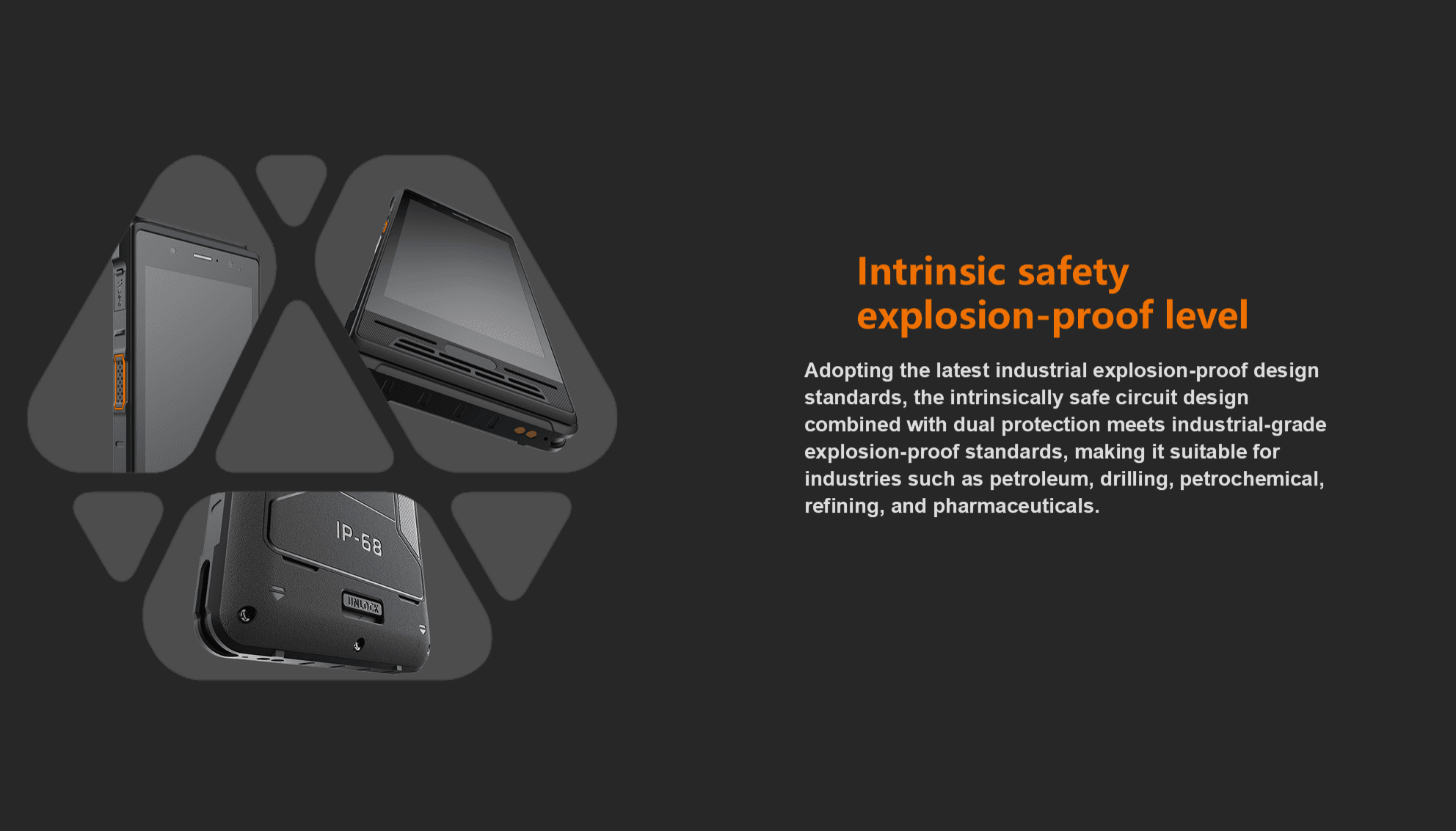
Saudi oil and gas operating environments are extraordinarily complex, ranging from drilling platforms deep in the desert to high-sulfur natural gas processing plants and massive refining and petrochemical complexes. The air is perpetually saturated with flammable and explosive gases such as methane and hydrogen sulfide. In such high-risk environments, even minute electrical sparks or surface overheating from ordinary electronic devices could trigger catastrophic explosions. Consequently, Saudi Aramco enforces some of the world’s most stringent safety standards (SAES), mandating the use of intrinsically safe, explosion-proof equipment certified to international standards (such as ATEX and IECEx) in hazardous areas (Zone 1/Zone 2).
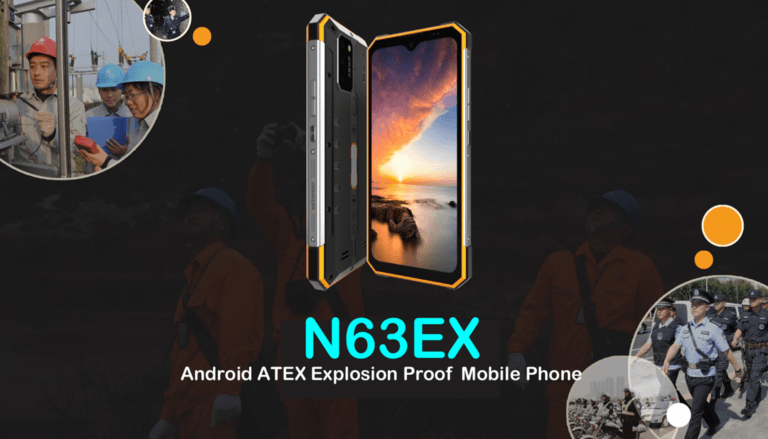
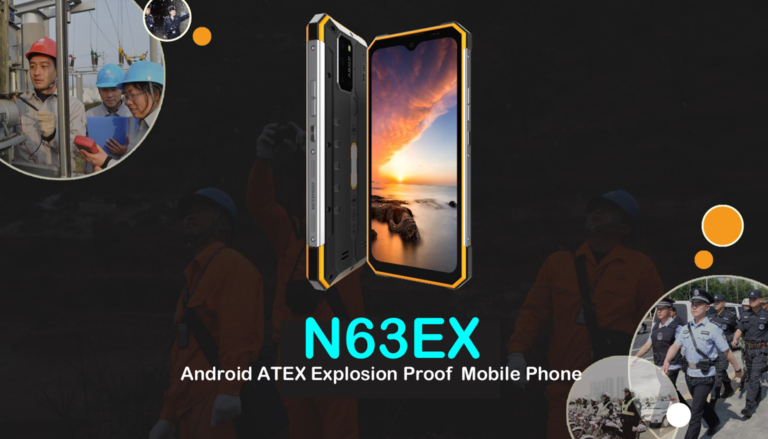
As Aramco’s digital transformation deepens, field operators’ needs for mobile terminals have expanded far beyond voice calls to encompass real-time data transmission, remote video collaboration, high-precision positioning, and emergency command capabilities. Traditional walkie-talkies offer limited functionality, while conventional smartphones are strictly prohibited in core areas. This makes high-performance explosion-proof smartphones the critical node connecting field operations with digital command centers.
Scenario 1: Filling Communication Gaps in Complex Environments
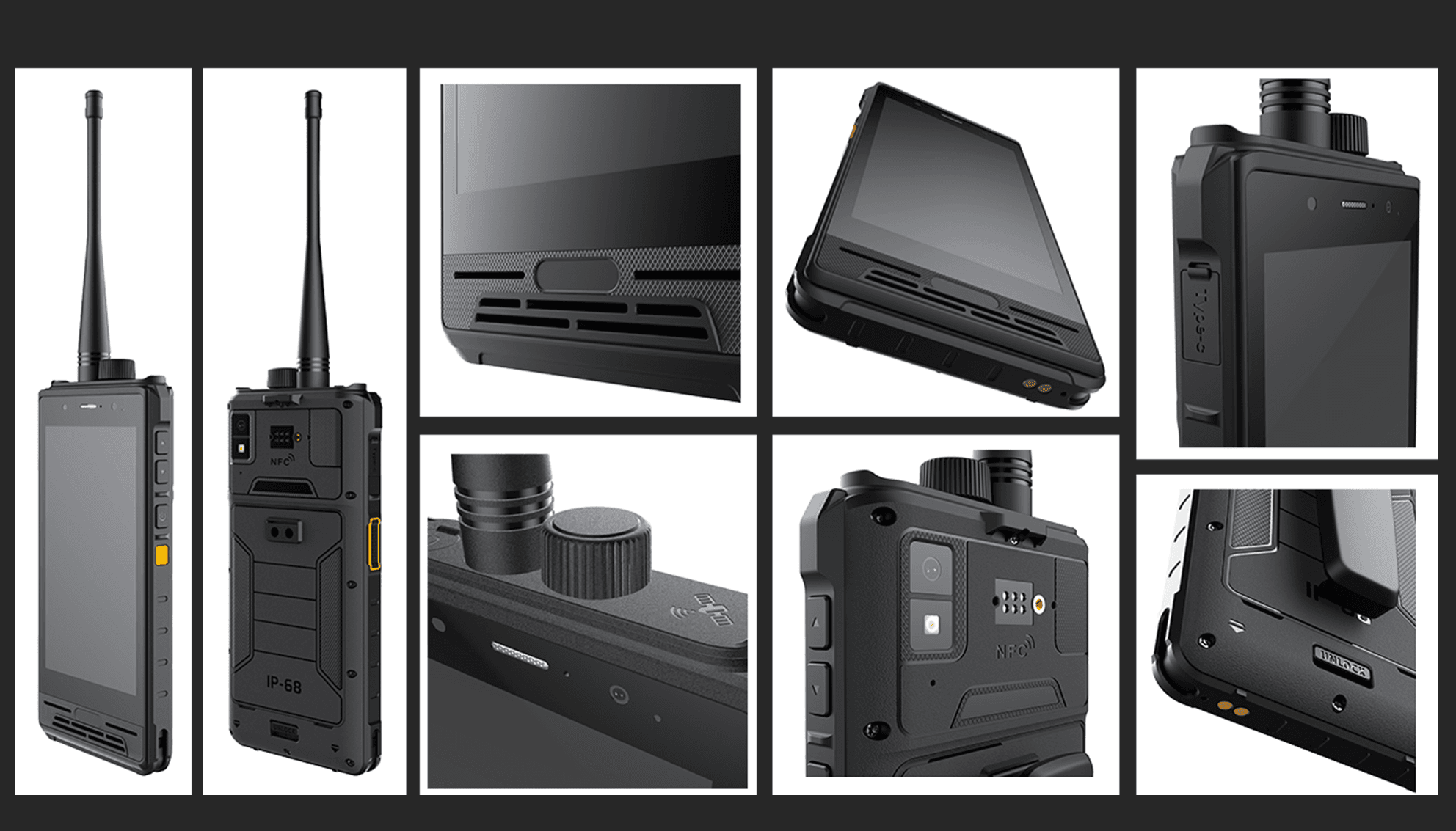
In the vast desert oilfields or offshore drilling platforms of Saudi Arabia, communication signal stability remains a persistent challenge for digital management. In certain signal-fringe or high-interference zones, traditional two-way radios may only maintain basic voice communication. The Polaris terminal, equipped with multi-mode network switching capabilities, can, to some extent, enhance the continuity of data transmission. This improvement might not be revolutionary, but in the long term, its cumulative effect could help reduce data loss during inspections or command delays caused by communication disruptions. Of course, the actual realization of this effect heavily depends on the density of local base station deployment and coordination with Aramco’s internal network architecture. Relying solely on the terminal equipment itself is unlikely to constitute a decisive advantage.
Scenario 2: Lightweight Support for Inspection Processes
Regarding digitalized inspections, a common industry concept involves using smart explosion-proof terminals to replace traditional paper records or bulky dedicated handheld devices. In this vaguely defined application scenario, the Polaris phone might be considered a “lightweight” attempt. The idea is that in some non-core high-risk zones or low-risk work areas, operators could use its portability for simple data entry or photo capture. The original intent of this practice is to reduce the burden on frontline staff and improve the convenience of information upload. However, the actual effectiveness is often constrained by software ecosystem compatibility, battery performance under extreme high temperatures, and staff adaptation to the new device. Consequently, any resulting efficiency gains are likely to be a gradual and fluctuating process, rather than an immediate, linear increase. In some cases, initial work efficiency might even decrease due to cumbersome operations or system instability, requiring a lengthy (adjustment period) before its value becomes apparent.
Scenario 3: Digital Touchpoints for Safety Management
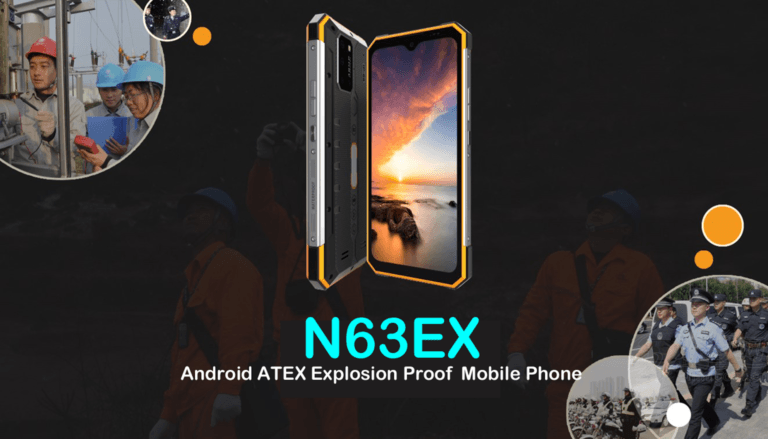
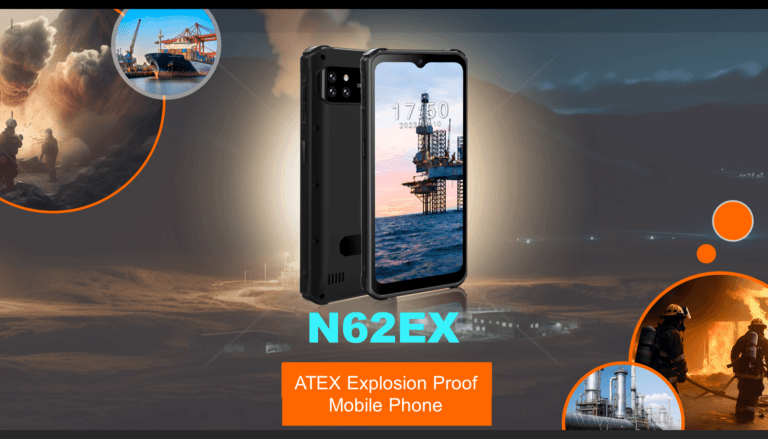
In the field of HSE (Health, Safety, and Environment) management, isafe mobile phone are often seen as promising tools, expected to act as real-time sensors for risk perception. If the Polaris intrinsically safe phone integrates relevant sensors or is adapted to Aramco’s safety management APP, it could potentially participate in personnel定位 (location tracking), electronic fence warnings, or emergency broadcast components. For instance, during an emergency, it might serve as an information node, pushing evacuation alerts to personnel in specific areas. However, the realization of such functionality is highly dependent on the intelligence level of the backend command system and the integration level of the overall IoT platform. If the backend system is not yet fully mature, the front-end device’s features might become decorative or merely function as an advanced two-way radio.
Summary Translation:
The Polaris i.safe phone plays the role of a “potential enabler” in Saudi Aramco’s digital transformation journey.