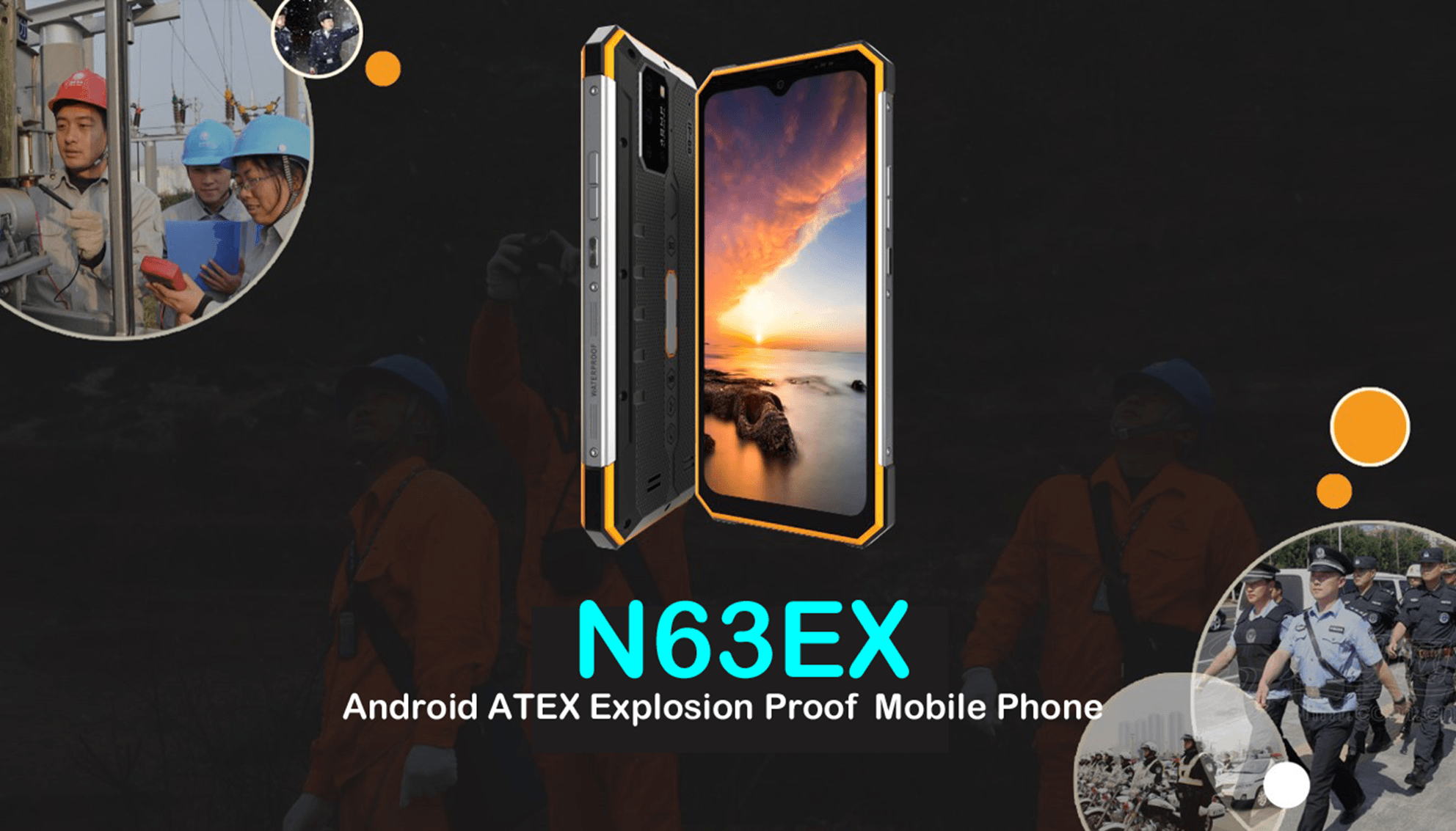
Application Prospect of Polaris N63EX Intrinsically Safe Mobile Phones in Singapore’s Petrochemical Industry
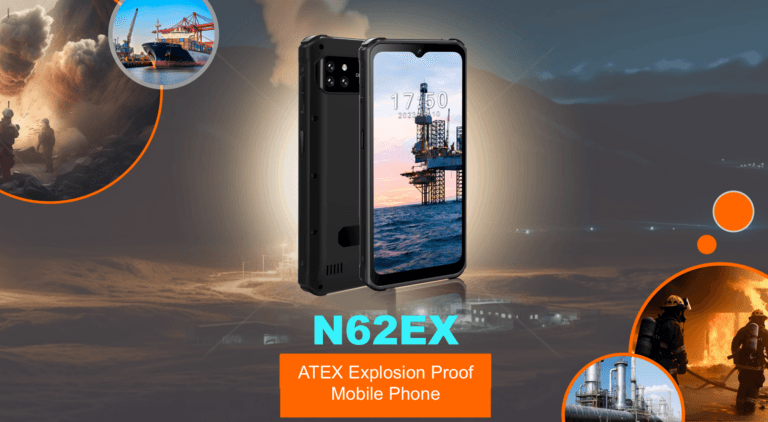
ATEX mobile phone Also known as isafe phones or explosion-proof mobile phones, this equipment is widely applied in Singapore’s petroleum and petrochemical sector. This document provides an overview of its application in the industry.
Singapore is one of the world’s top oil refining and petroleum trading hubs, widely recognized as one of the world’s three major refining centers alongside Houston and Rotterdam. It boasts a large‑scale refining and petrochemical complex, hosts numerous major international enterprises, and features a unique petroleum trading and logistics system. This report elaborates from three perspectives: refining capacity, key enterprises, and petroleum supply dynamics.
I. Singapore’s Petroleum Refining Capacity
Singapore’s refining industry began in the 1960s and has evolved into a highly concentrated integrated refining and petrochemical cluster after decades of development. At present, Singapore’s total refining capacity is approximately 1.38 million barrels per day. Refining facilities are mainly concentrated on Jurong Island and Bukom Island, where more than 100 global energy and chemical enterprises are clustered, attracting over SGD 50 billion in investment, employing about 27,000 people, and contributing approximately 3% of Singapore’s GDP.
In addition to refining capacity, Singapore owns extensive oil storage infrastructure. For instance, the Jurong Rock Caverns, covering 61 hectares underground on Jurong Island, provide strategic crude oil and petroleum product storage for ExxonMobil, Shell, and other operators. Singapore also has a total commercial oil storage capacity of more than 4 million cubic meters.
II. Major Refining and Petrochemical Enterprises
Singapore’s key refining players include the following industry giants:
- ExxonMobil: Refining capacity of approximately 592,000–605,000 barrels per day, mainly based on Jurong Island, operating one of the world’s largest integrated refining and petrochemical complexes, with ongoing upgrades under the SRUP project.
- Singapore Refining Company (SRC): Refining capacity of approximately 290,000–295,000 barrels per day on Jurong Island, a joint venture between Singapore Petroleum Company and Chevron. Chevron plans to sell its stake in 2026.
- Shell: Former refining capacity of around 500,000 barrels per day across Bukom Island and Jurong Island. Its refining and petrochemical assets were sold to a Chandra Asri‑Glencore joint venture in 2025 and are now operated by Aster.
- Aster Energy and Chemicals: Refining capacity of approximately 307,000 barrels per day on Bukom Island. After taking over Shell’s assets, it plans expansion and aims to commission a 70,000‑barrel‑per‑day condensate splitter in the second half of 2026.
Singapore also hosts major global energy traders and energy companies, including Trafigura (the world’s second‑largest independent oil trader), PetroChina International (holding SRC through Singapore Petroleum Company), Vitol, BP, Chevron, and others. Most have established regional headquarters or trading hubs in Singapore for bulk oil trading and shipping operations.
III. Petroleum Supply and Extraction Dynamics
Singapore produces almost no crude oil domestically. Its petroleum industry centers on a three‑in‑one hub model: refining + trading + storage and logistics.
High Dependence on Crude Oil Imports
Singapore is a typical “zero‑resource” refining hub, with 100% dependence on imported crude oil. More than 60% of crude imports come from the Middle East, followed by Malaysia, Brazil, Russia, and other regions. Due to the lack of domestic oil production, Singapore’s refining sector is highly sensitive to disruptions in the global crude supply chain.
Supply Chain Risks and Resilience
In March 2026, escalating geopolitical conflicts in the Middle East disrupted traffic through the Strait of Hormuz, leading to tight supply for Singapore’s refiners. Data showed that ExxonMobil’s Jurong Island refinery reduced utilization from above 80% to around 50%, while SRC lowered operating rates to approximately 60%. This demonstrates Singapore’s vulnerability to international supply disruptions.
Meanwhile, supported by large‑scale storage capacity, diversified import sources, and a global trading network, Singapore acts as a regional buffer during tight supply periods, stabilizing markets by releasing inventories and reallocating crude oil sources.
Given the large scale of Singapore’s refining and petrochemical facilities, there is strong demand for explosion‑proof mobile devices. With its robust explosion‑proof design, Polaris has secured application opportunities among Singapore’s petrochemical enterprises.
Application Prospects of Polaris N63EX in Singapore’s Petrochemical Industry
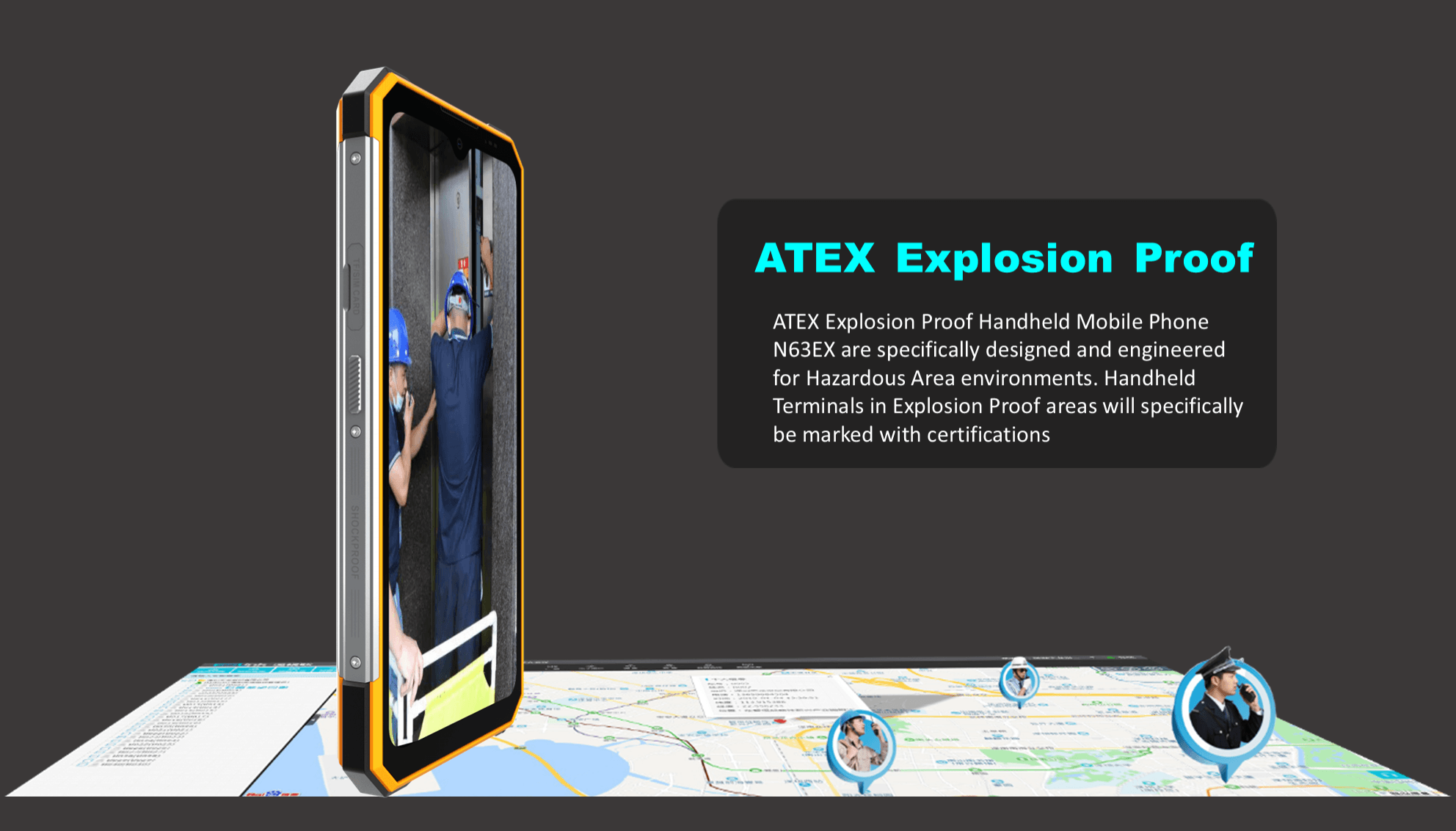
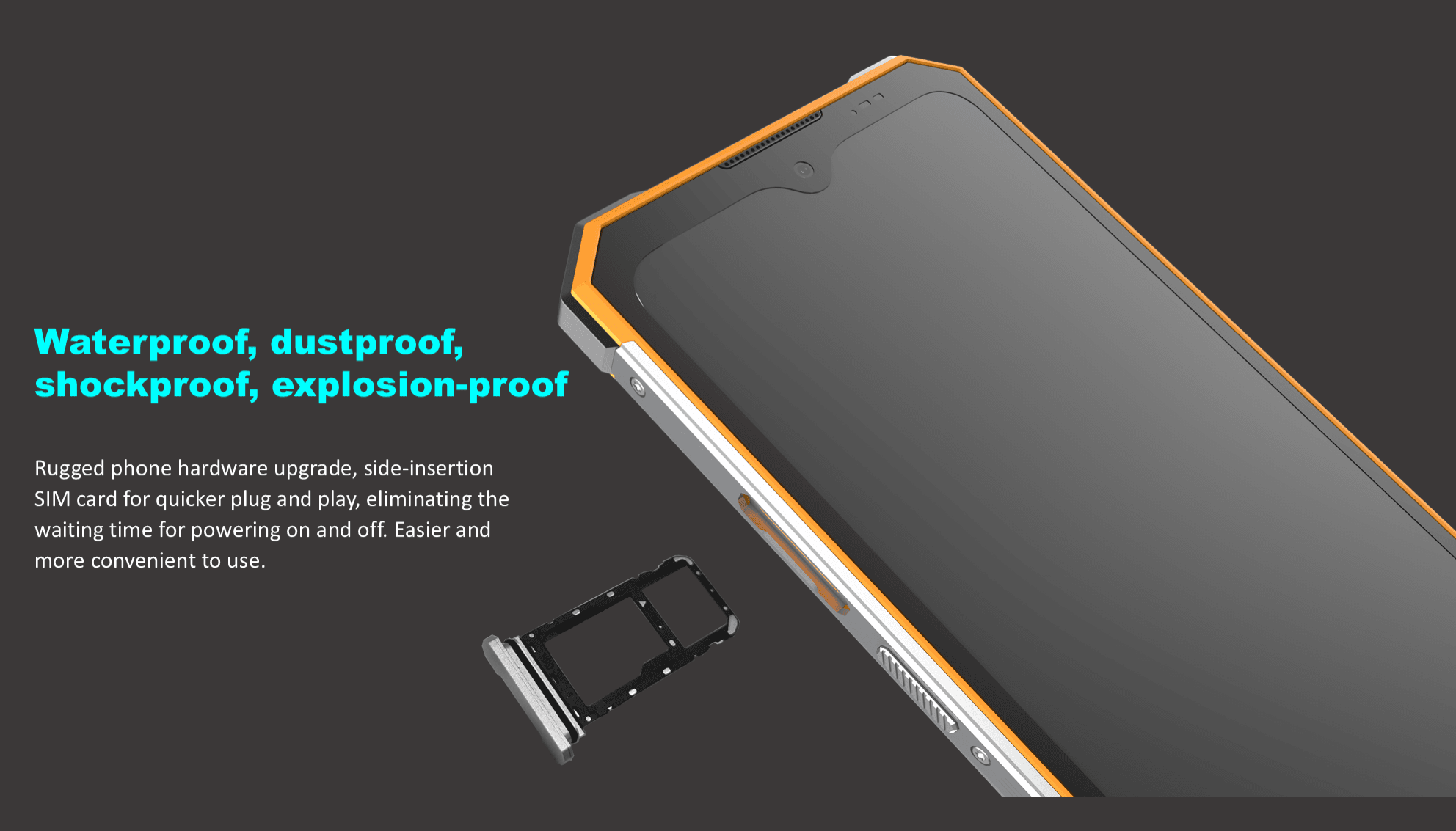
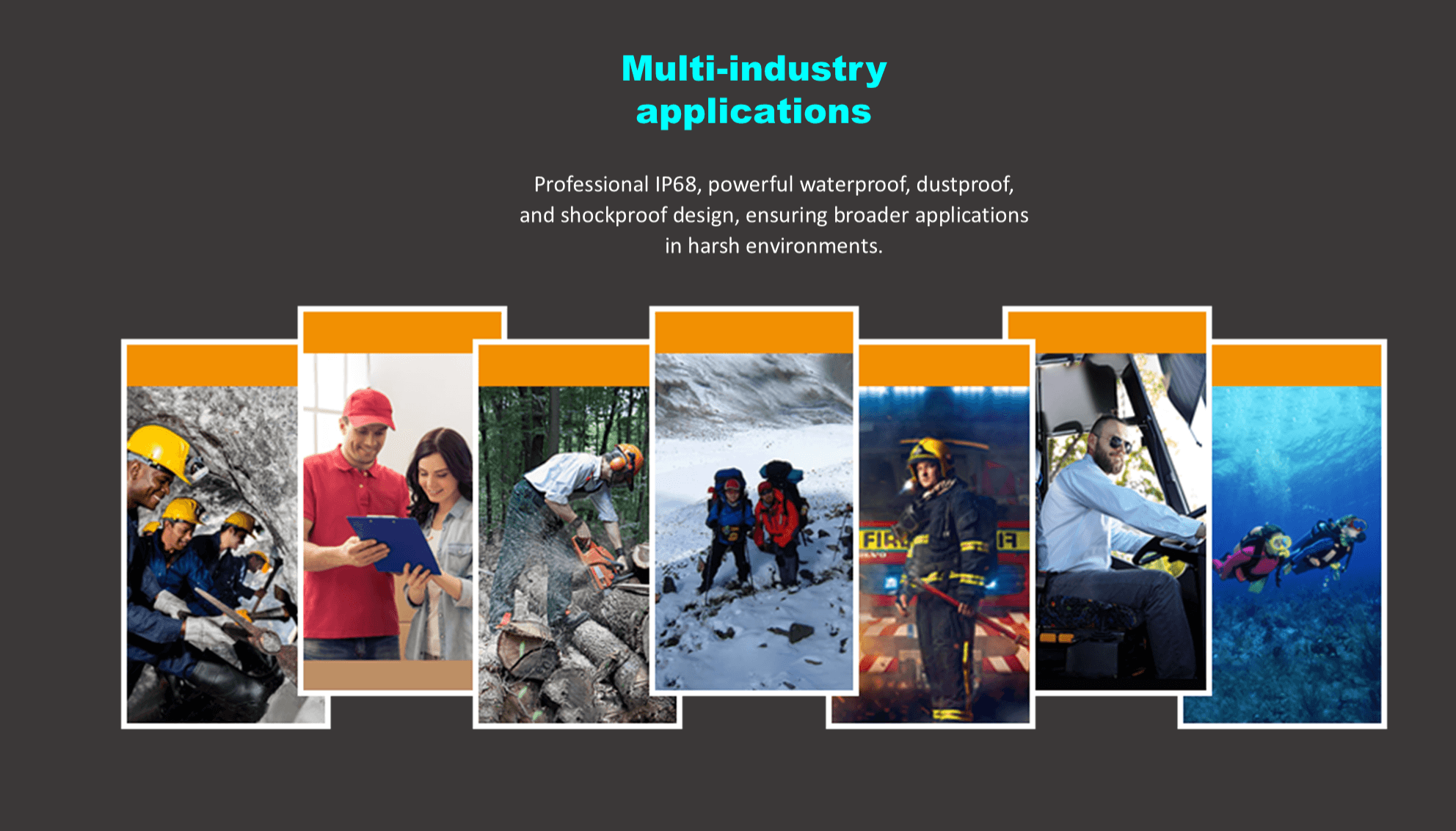
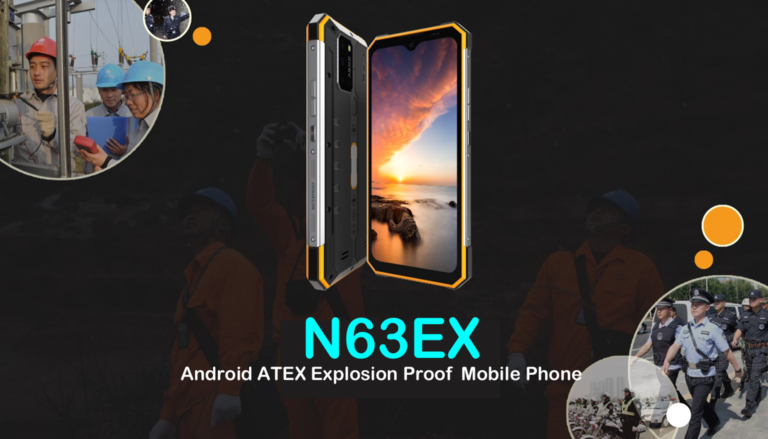
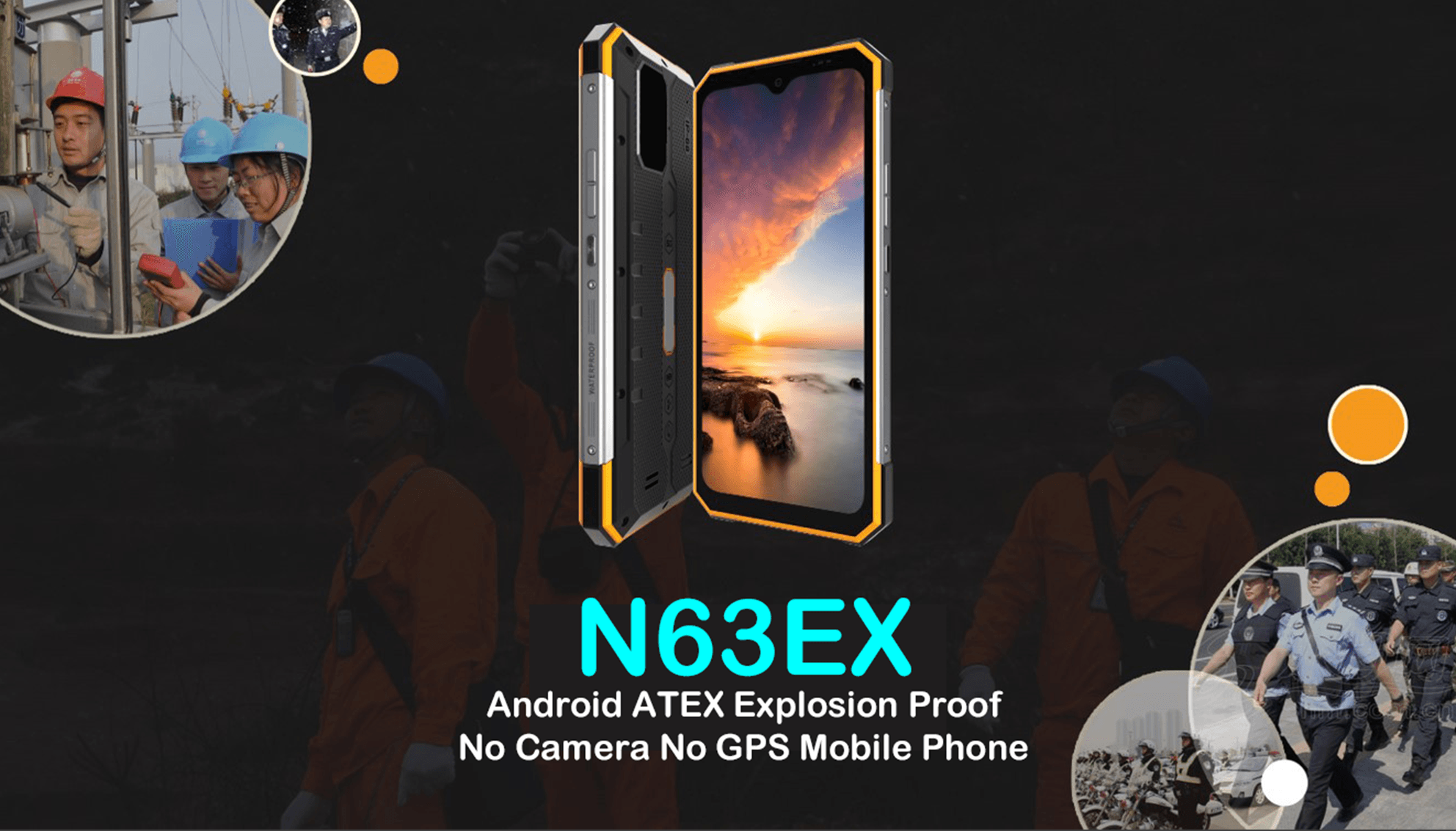
The Polaris N63EX has broad application prospects in Singapore’s petrochemical industry. With ATEX intrinsically safe certification, IP68 protection, and 5G capability, it fully complies with Singapore’s strict safety regulations and digital transformation requirements, making it an ideal terminal for high‑risk areas such as tank farms, process units, and offshore platforms.
I. Core Compatibility: Safety Compliance and Scenario Matching
Singapore’s petrochemical industry (Jurong Island, Bukom Island, etc.) enforces some of the world’s strictest explosion‑proof and occupational safety standards, requiring equipment for Zone 1/2 and Zone 21 to hold ATEX/IECEx certifications.
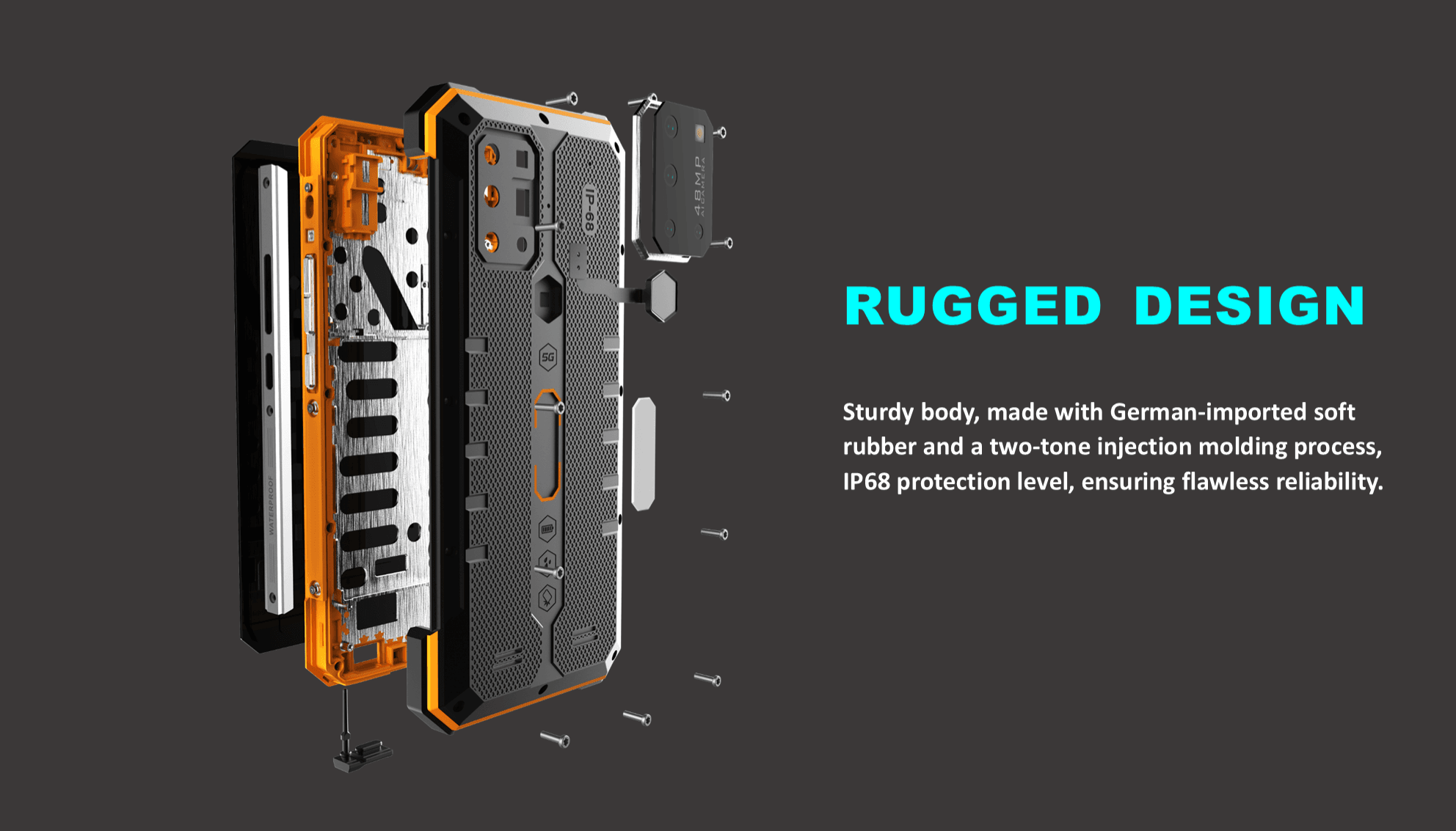
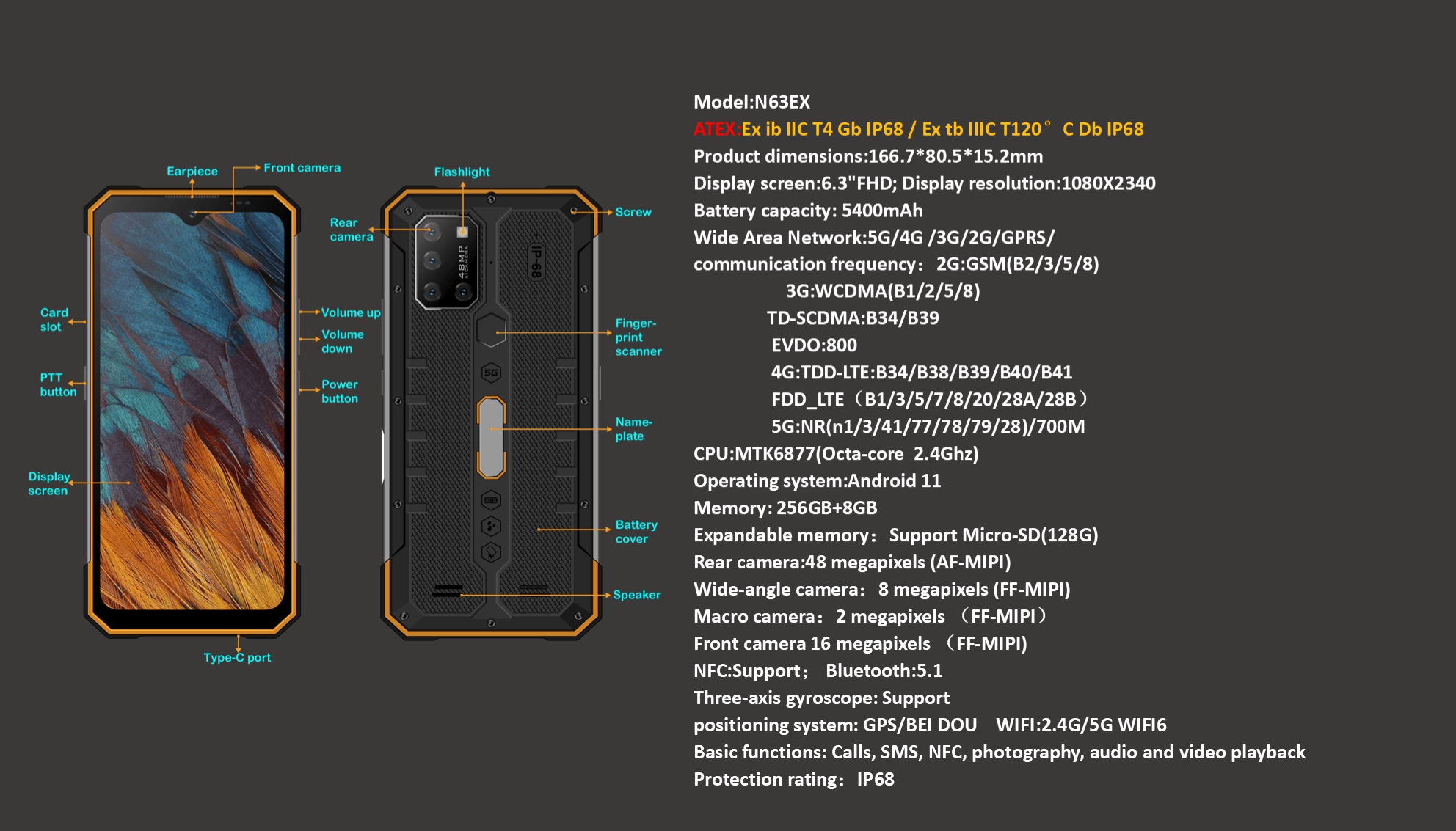
The N63EX holds ATEX Ex ib IIC T4 Gb and Ex tb IIIC T120°C Db certifications, covering Zone 1/2 gas and Zone 21 dust environments, enabling safe use in high‑risk areas including refineries, ethylene plants, and LNG terminals. Its IP68 dust‑proof and waterproof rating, 1.5‑meter drop resistance, and corrosion‑resistant casing adapt to Singapore’s hot, humid, salty, and oily operating conditions. The 6.3‑inch high‑brightness screen supports operation with gloves or wet hands, meeting requirements for workers wearing PPE.
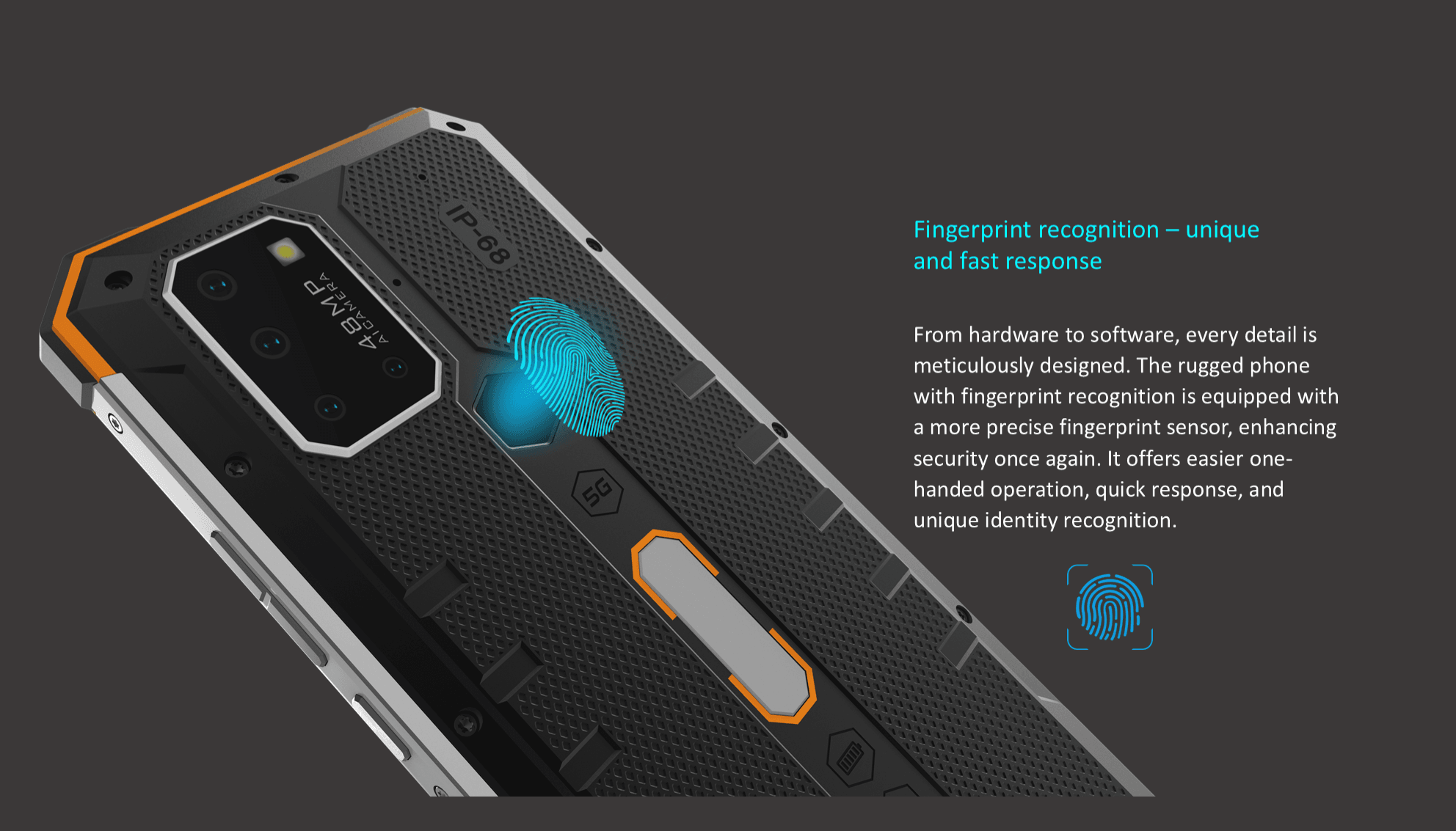
In addition, the N63EX supports physical camera removal and physical GPS disconnection, aligning with strict data security and confidentiality requirements of Singapore’s petrochemical companies.
II. Industry Demand: Secure Communication and Digital Transformation
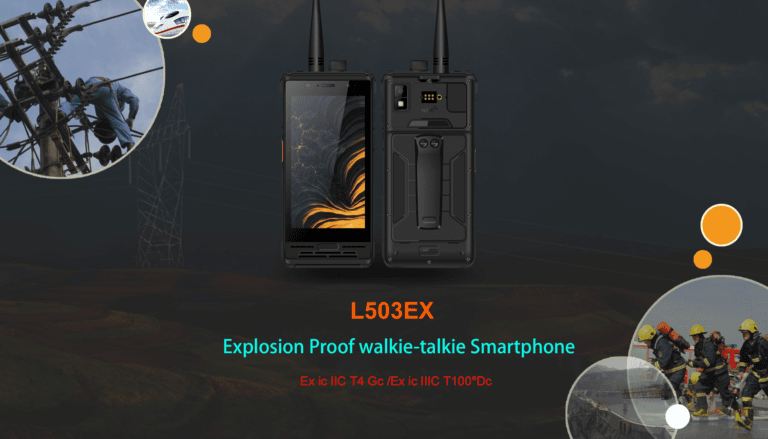
Singapore’s petrochemical sector is promoting the integration of intelligent inspection, remote operation and maintenance, and emergency command. The N63EX’s 5G full‑network connectivity, DMR intercom, and high‑definition video transmission enable it to replace traditional walkie‑talkies and achieve integrated voice, data, and video communication.
- Intelligent Inspection: Integrated NFC/barcode scanning supports real‑time collection of equipment temperature, pressure, and leakage data, with automatic upload to SCADA/ERP systems, reducing manual recording errors and improving hazard detection efficiency.
- Emergency Response: One‑key SOS, precise positioning, and video linkage ensure real‑time connection between site and command center during leaks, fires, and other accidents, shortening response time.
- Mobile Office: GMS‑certified to run dedicated petrochemical applications, supporting work order distribution, electronic signatures, and remote training, matching the digital management systems of Singapore’s petrochemical enterprises.
III. Market Outlook: Policy Drivers and Replacement Potential
Singapore’s Ministry of Manpower (MOM) and Maritime and Port Authority (MPA) are strengthening supervision of high‑risk operating equipment, mandating intrinsically safe devices in hazardous areas. The N63EX’s intrinsically safe design, industrial‑grade protection, and smart functions fill the market gap for “safe + intelligent” terminals in Singapore’s petrochemical industry, and can fully replace traditional explosion‑proof walkie‑talkies and non‑smart intrinsically safe devices.
Competitive advantages of the N63EX include ATEX certification, 5G capability, physical security switches, and customizable functions. Its pricing and localized services are more competitive than European and American brands, better matching the Singapore and Southeast Asian petrochemical markets.
With the advancement of integrated refining projects on Jurong Island, offshore oil and gas development, and accelerated digital transformation, penetration of the N63EX will continue to rise in onshore process areas, tank farms, offshore platforms, terminal loading, emergency rescue, and other scenarios. It is poised to become a mainstream terminal for intrinsically safe communication and intelligent operations in Singapore’s petrochemical industry.