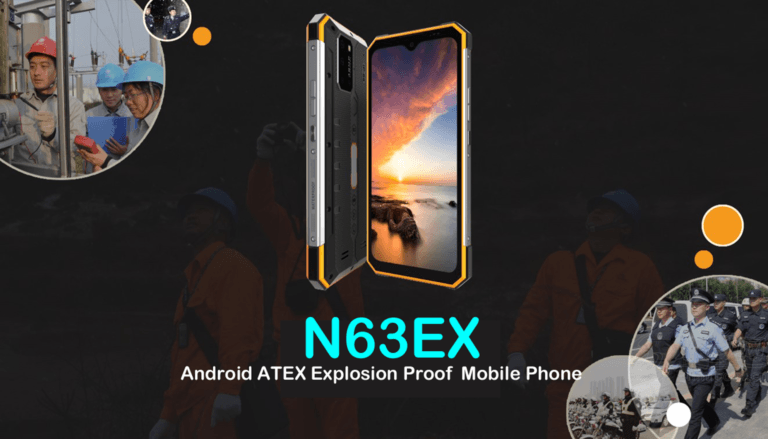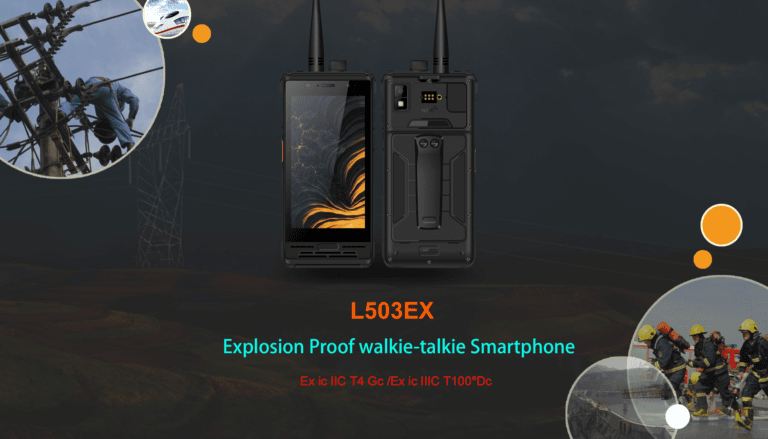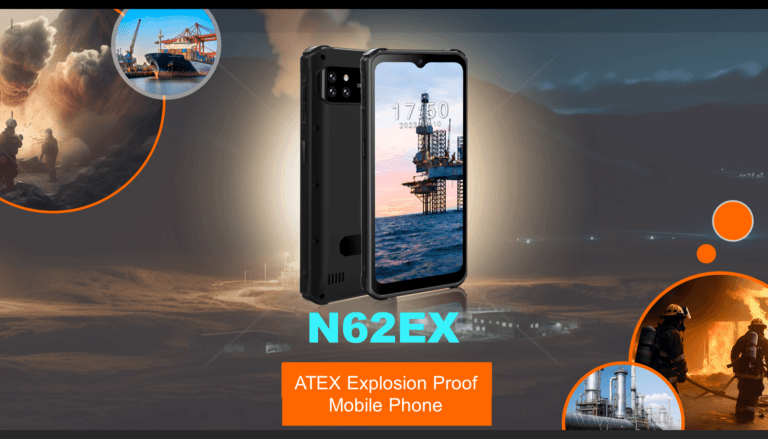
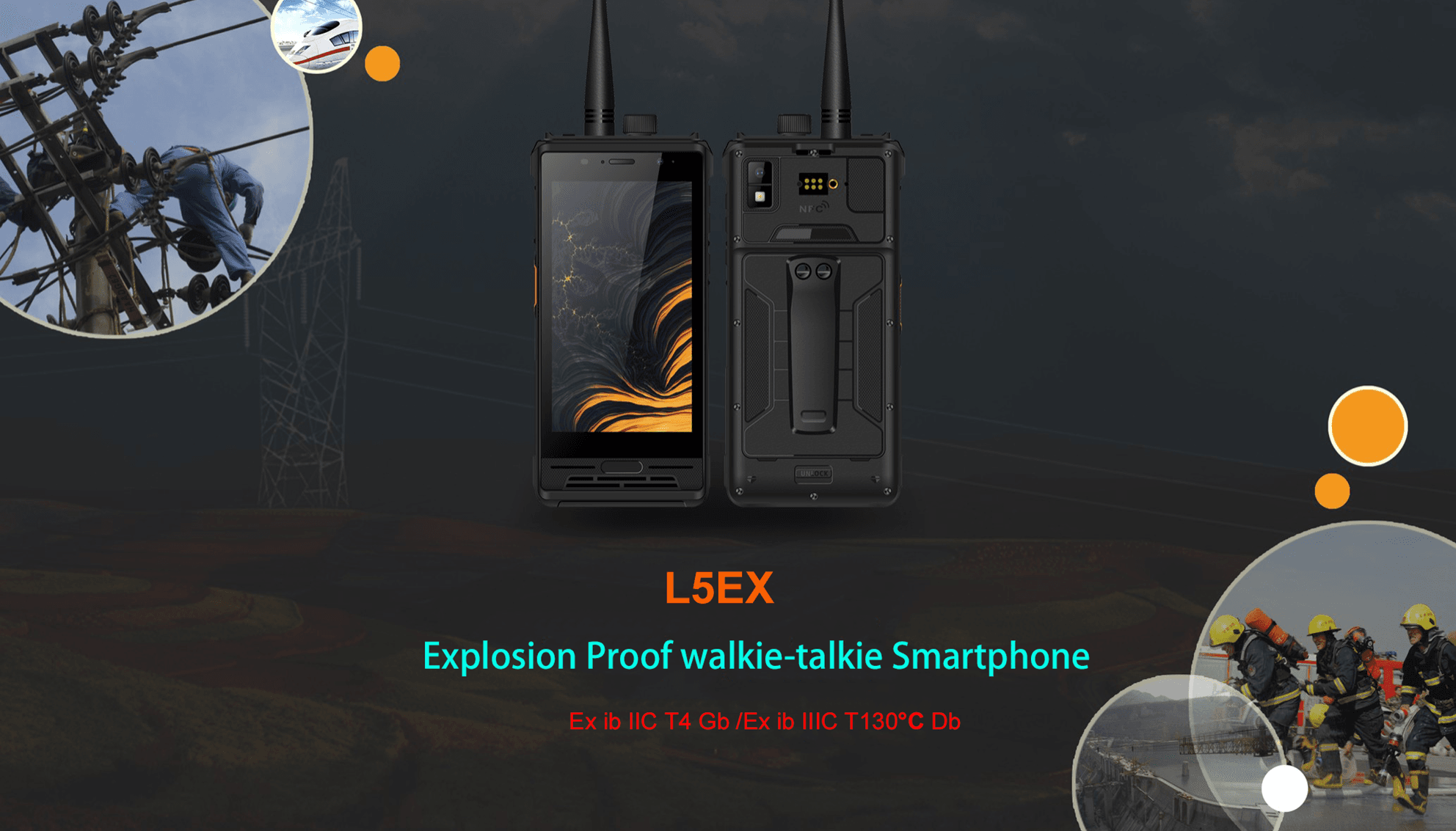
Polaris Explosion-Proof Smart Push-to-Talk Phones: Empowering Industrial Safety Communications in Kazakhstan
In the global energy and resources landscape, Kazakhstan holds a position of considerable significance. Its vast oilfields, modern refineries, deep underground mines, and massive chemical facilities collectively form the cornerstone of the national economy. However, the production environments in these core industries are often accompanied by risks of flammable and explosive gases and dust, imposing the most stringent safety and performance requirements on communication and data exchange equipment at operational sites. Polaris, as a leader in industrial-grade intrinsically safe communication technology, has developed its explosion-proof smart push-to-talk phone series specifically to address such challenges—dedicated to providing safe, efficient, and intelligent mobile solutions for Kazakhstan’s industrial giants.
I. Core Positioning: More Than Just Push-to-Talk, A Smart Productivity Tool for Safe Operations
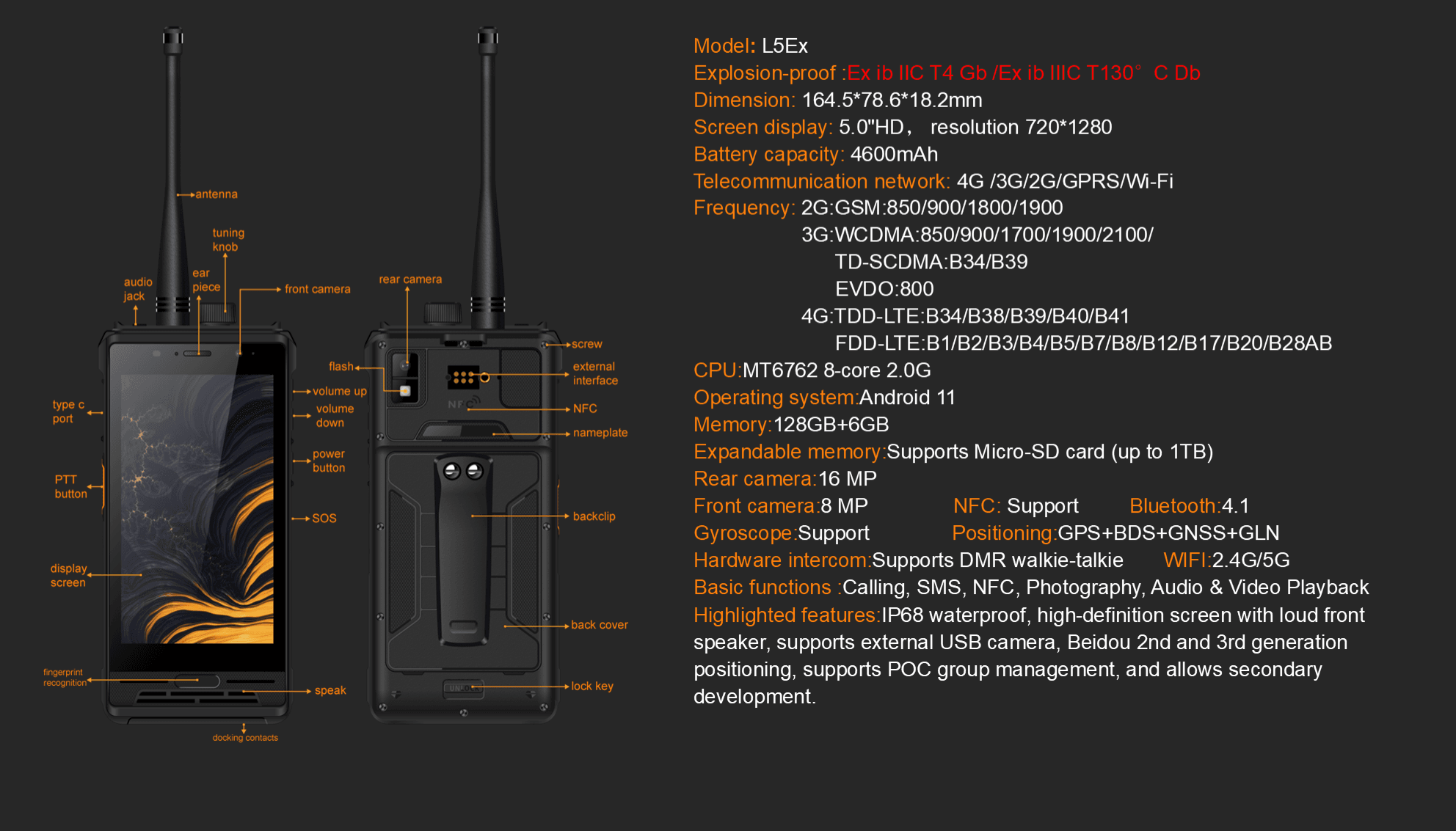
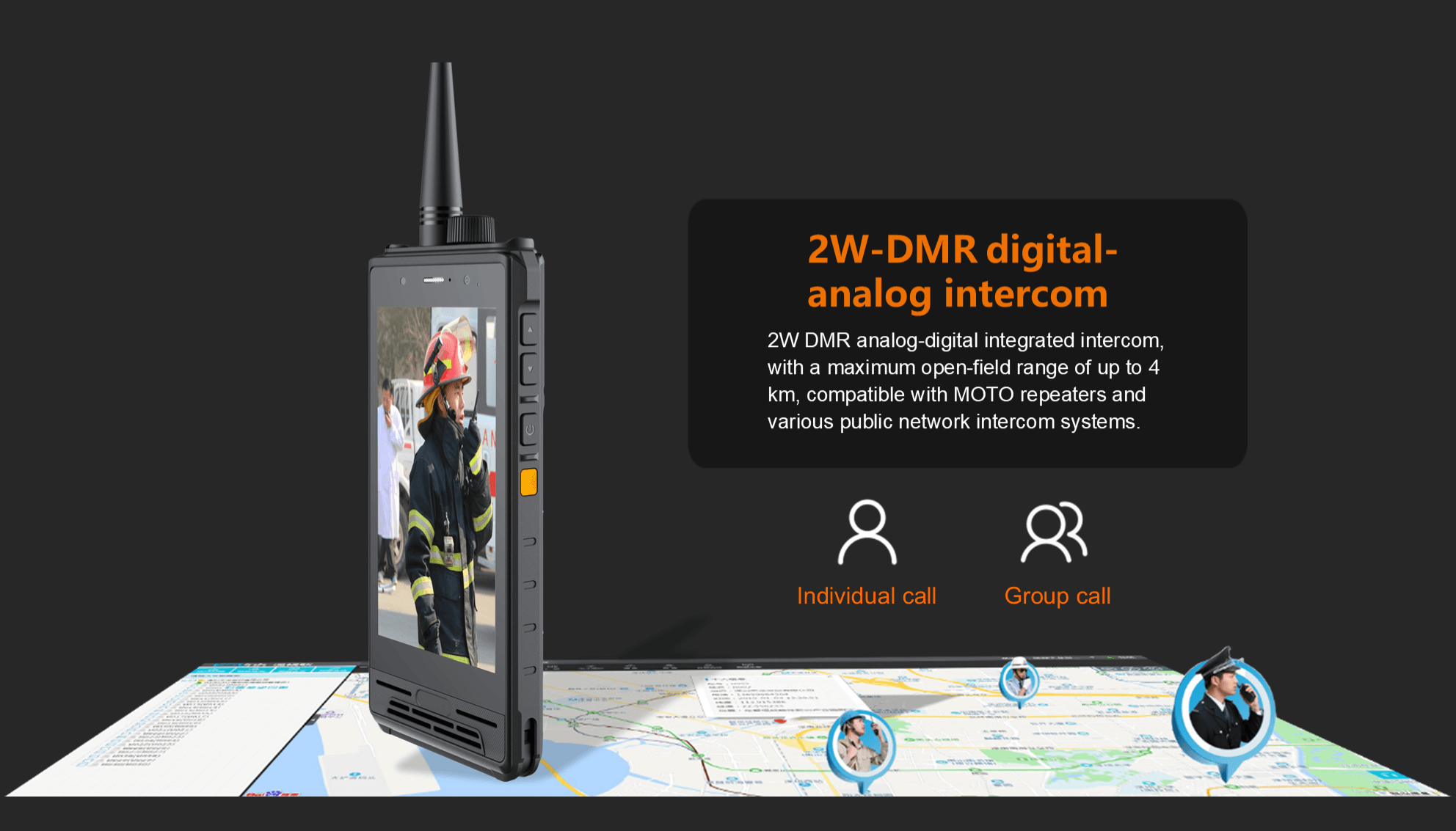
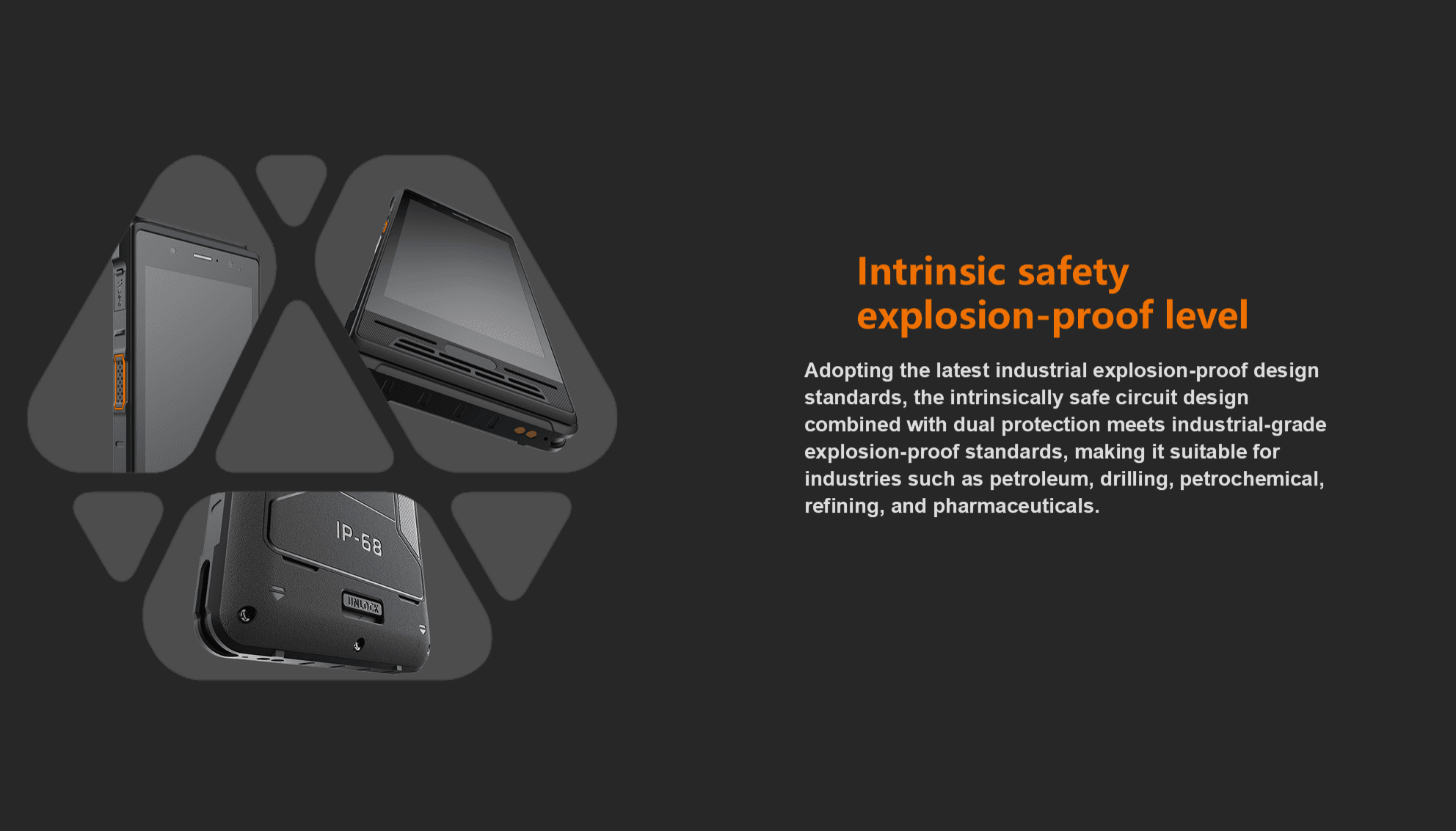
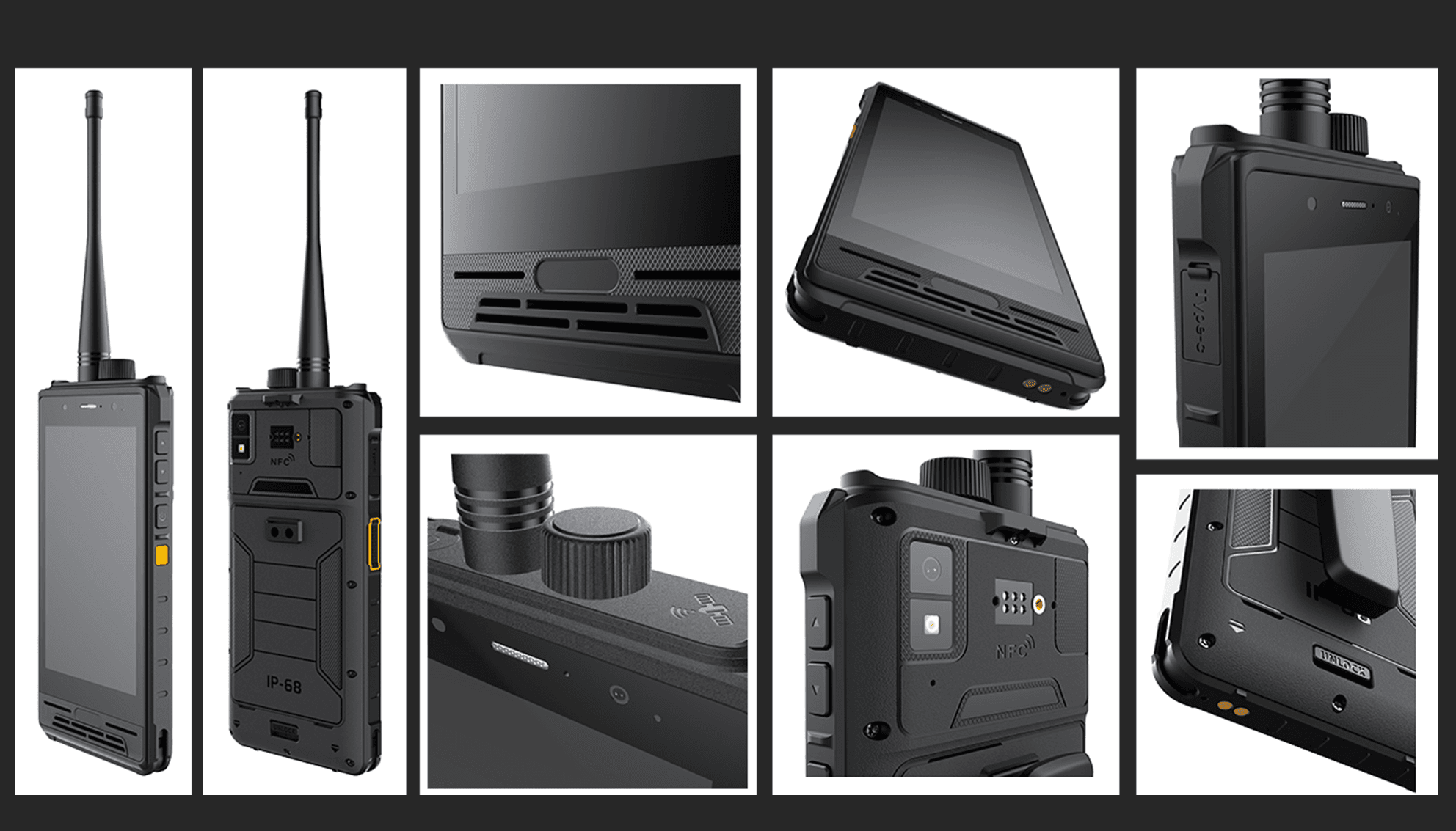
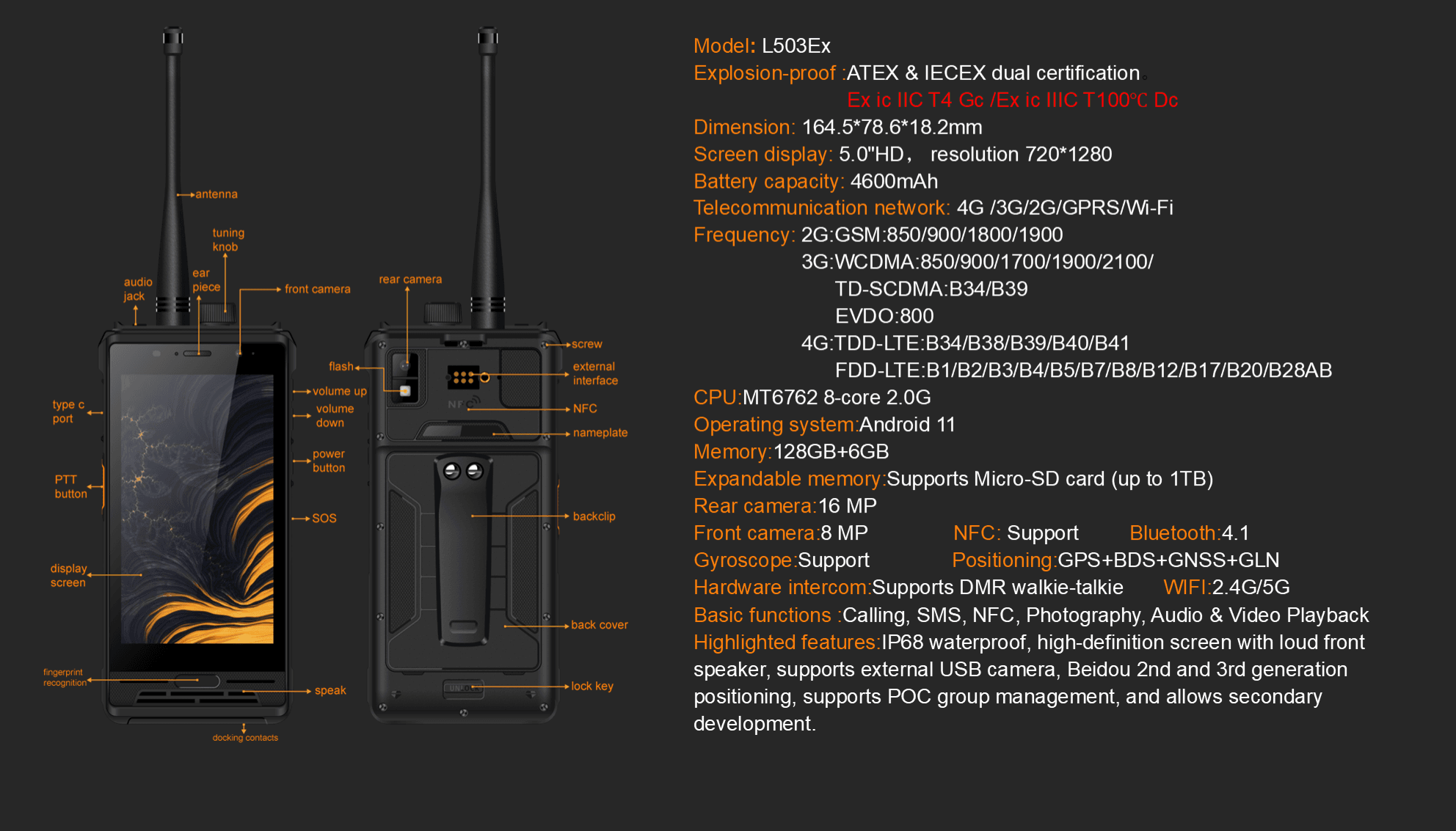
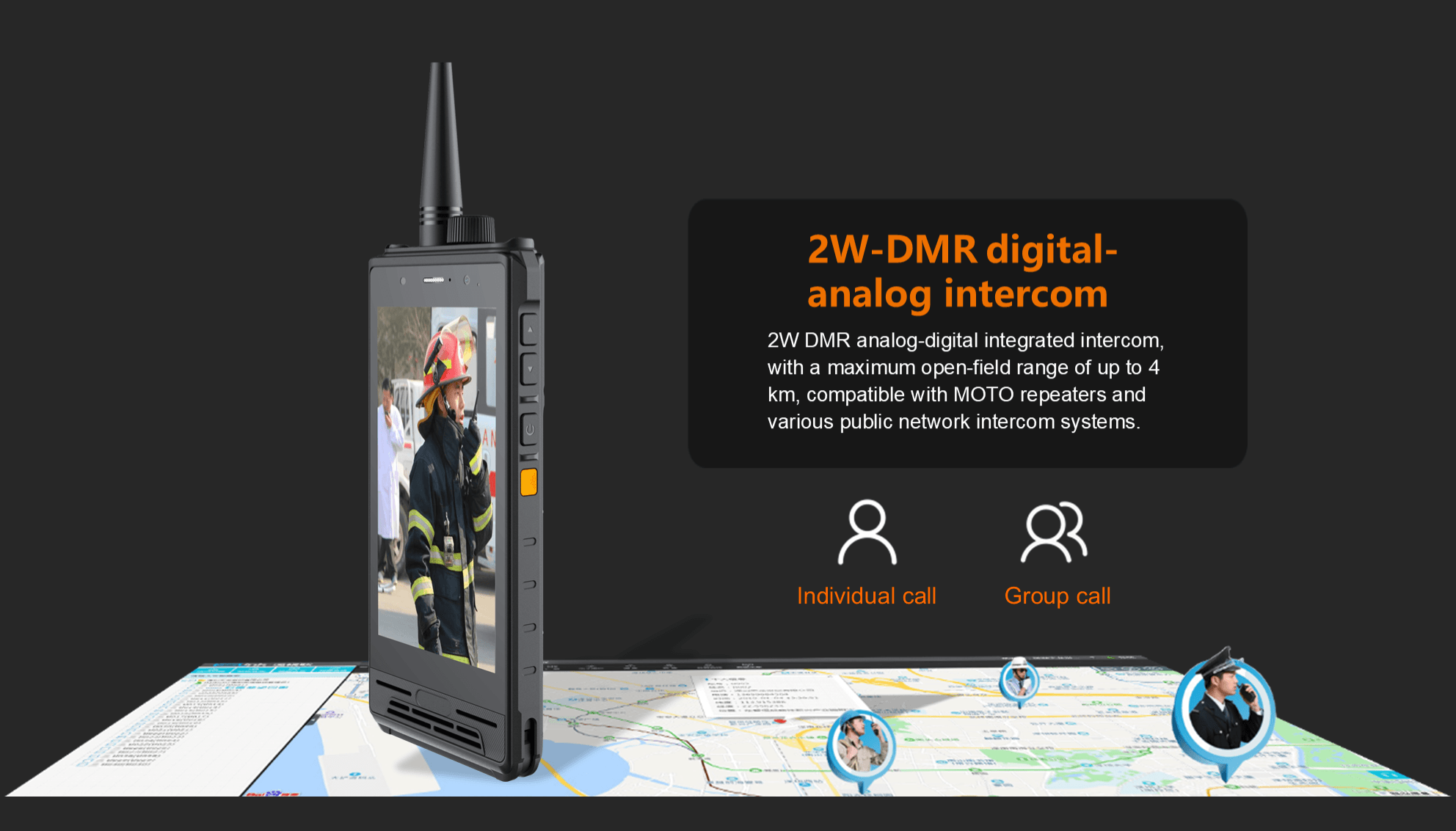
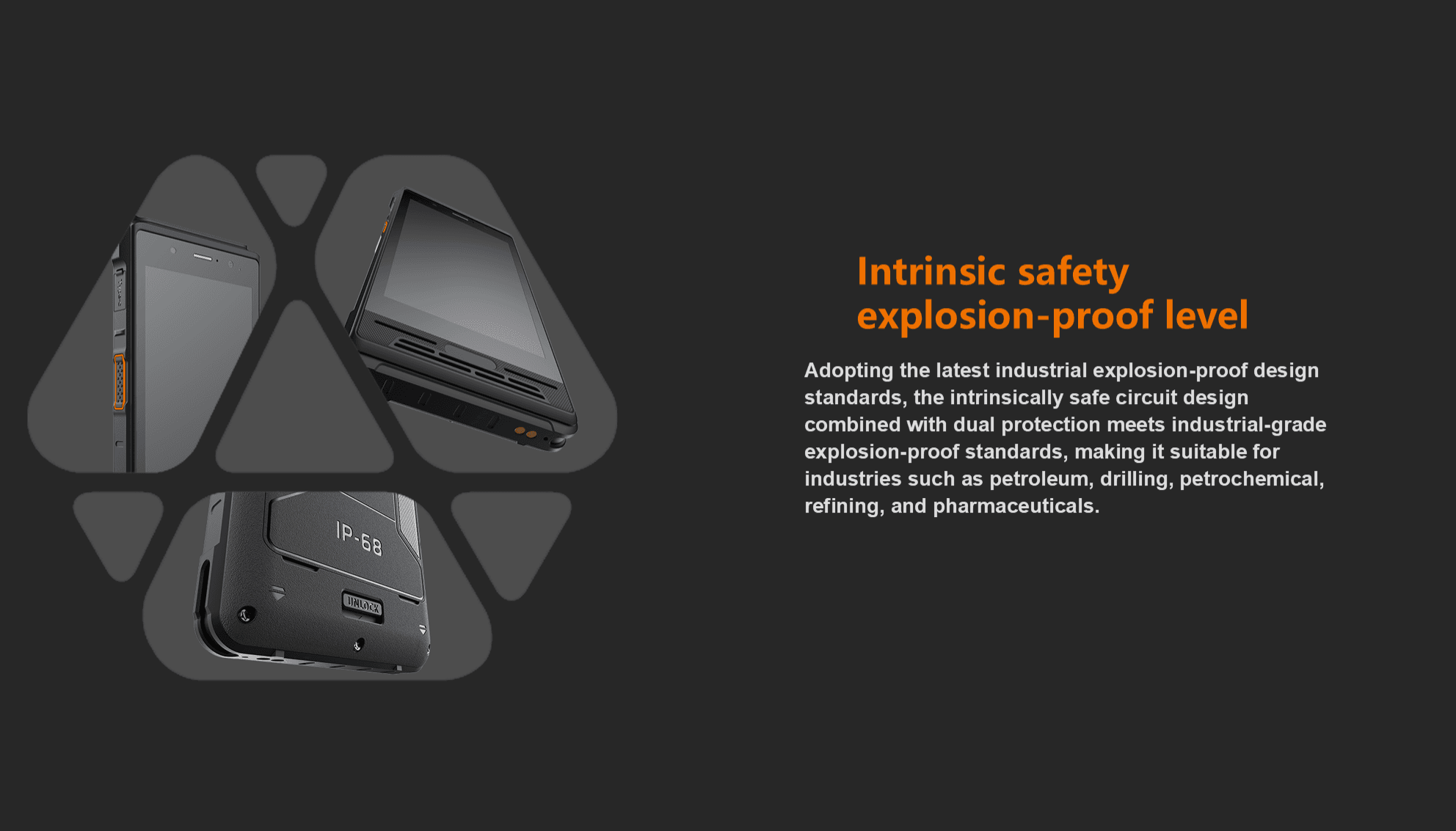
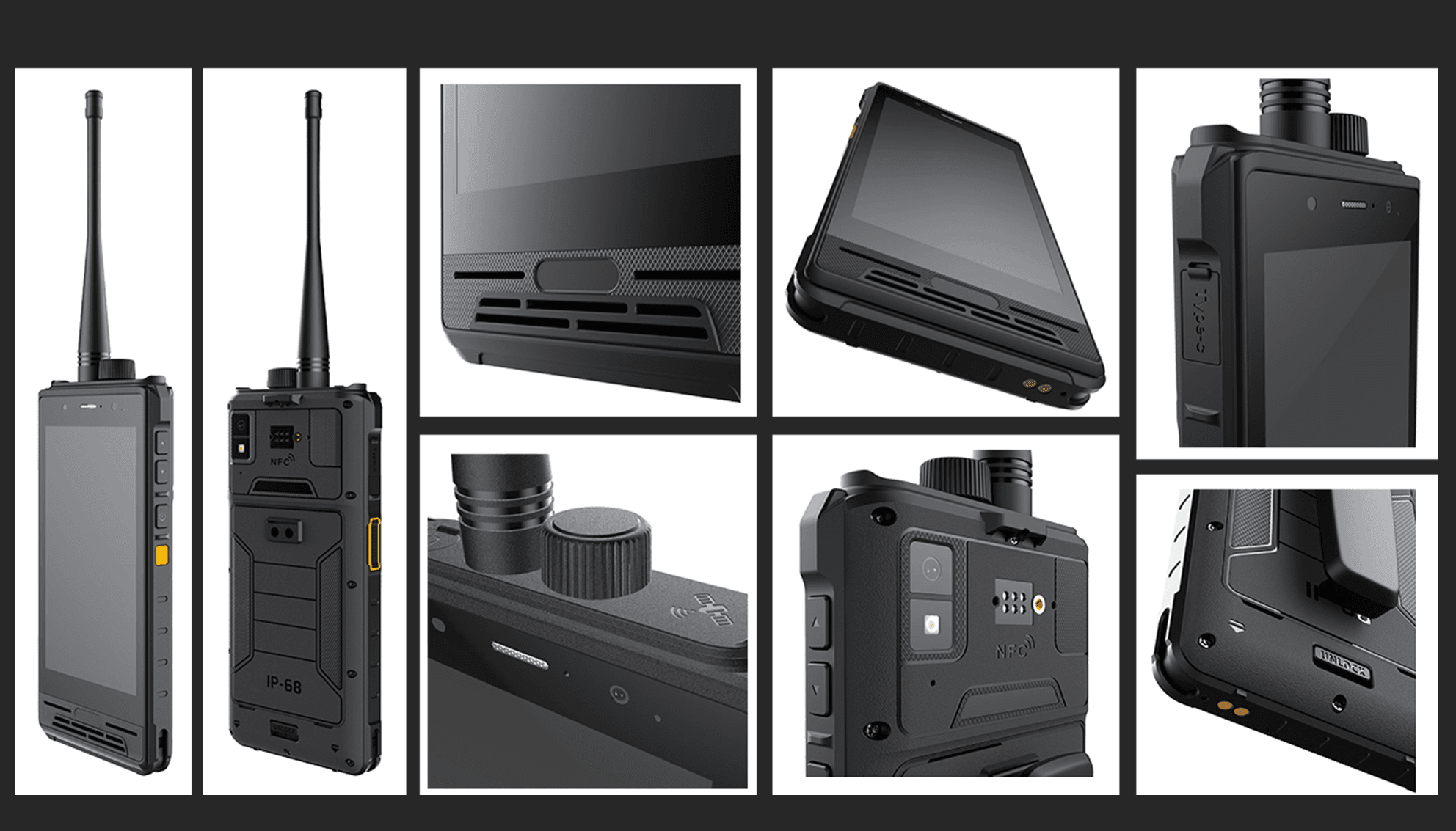
Unlike traditional explosion-proof two-way radios, Polaris explosion-proof smart push-to-talk phones deeply integrate professional digital trunked radio (PTT) functionality with the powerful extensibility of the intelligent Android operating system. It is a “smartphone” certified to ATEX/IECEx Zone 1/21 standards, usable in explosive hazardous areas—ensuring that communication never interrupts and information remains instantly accessible at the most critical operational sites.
II. Typical Application Scenarios in Kazakhstan’s Core Industries
Oil & Gas Industry: A Mobile Command Center for the Entire Value Chain
- Upstream Exploration & Production: At drilling platforms and processing plants in super-giant oilfields such as Tengiz and Kashagan, field engineers can use Polaris devices for high-definition voice group dispatching, real-time reporting of equipment pressure and temperature parameters, and capturing on-site conditions—transmitting footage instantly to central control rooms via 4G/5G or private networks.
- Midstream Pipeline Transportation: During inspections of thousands of kilometers of oil and gas pipelines, patrol personnel can utilize GPS positioning for check-ins, capture photos and videos of pipeline anti-corrosion coatings and valve statuses, and use one-touch push-to-talk functionality to immediately report abnormal events such as leaks or third-party damage.
- Downstream Refining: In the process units of Atyrau and Shymkent refineries, safety officers can conduct remote video verifications for hot work permits, while maintenance personnel can access equipment drawings and engage in AR remote collaboration with experts—significantly enhancing maintenance safety and efficiency.
Mining & Metallurgy Industry: A Resilient Link Between Underground and Surface Operations
In the underground coal mines of Karaganda or metal mine tunnels, the device provides critical communication assurance in environments with potential gas or dust hazards. Its exceptional drop resistance, waterproofing, and dust-proofing capabilities adapt to extremely harsh underground conditions. Dispatch centers can accurately track personnel locations, enabling efficient production scheduling and emergency evacuation command.
Chemical & Hazardous Materials Handling: A Digital Enforcer of Safety Procedures
Within chemical plant areas, operators can receive and confirm digital work orders, scan equipment QR codes to access operating procedures and historical maintenance records—ensuring every step of operations is compliant and traceable. Its intrinsically safe characteristics fundamentally eliminate ignition risks that communication devices might otherwise introduce.
III. Core Value Created for Kazakhstan Customers
- Intrinsically Safe, Compliant, and Reliable: Products strictly adhere to international and local Kazakh explosion-proof standards, serving as a passport for obtaining hazardous area work permits and establishing a solid safety baseline for enterprises.
- Multi-Functionality in One Device, Reducing Costs and Increasing Efficiency: Integrates the functions of two-way radios, smartphones, digital cameras, barcode scanners, and positioning terminals—reducing the number of devices employees must carry. Through process digitization, it significantly reduces paper work order circulation time and error rates.
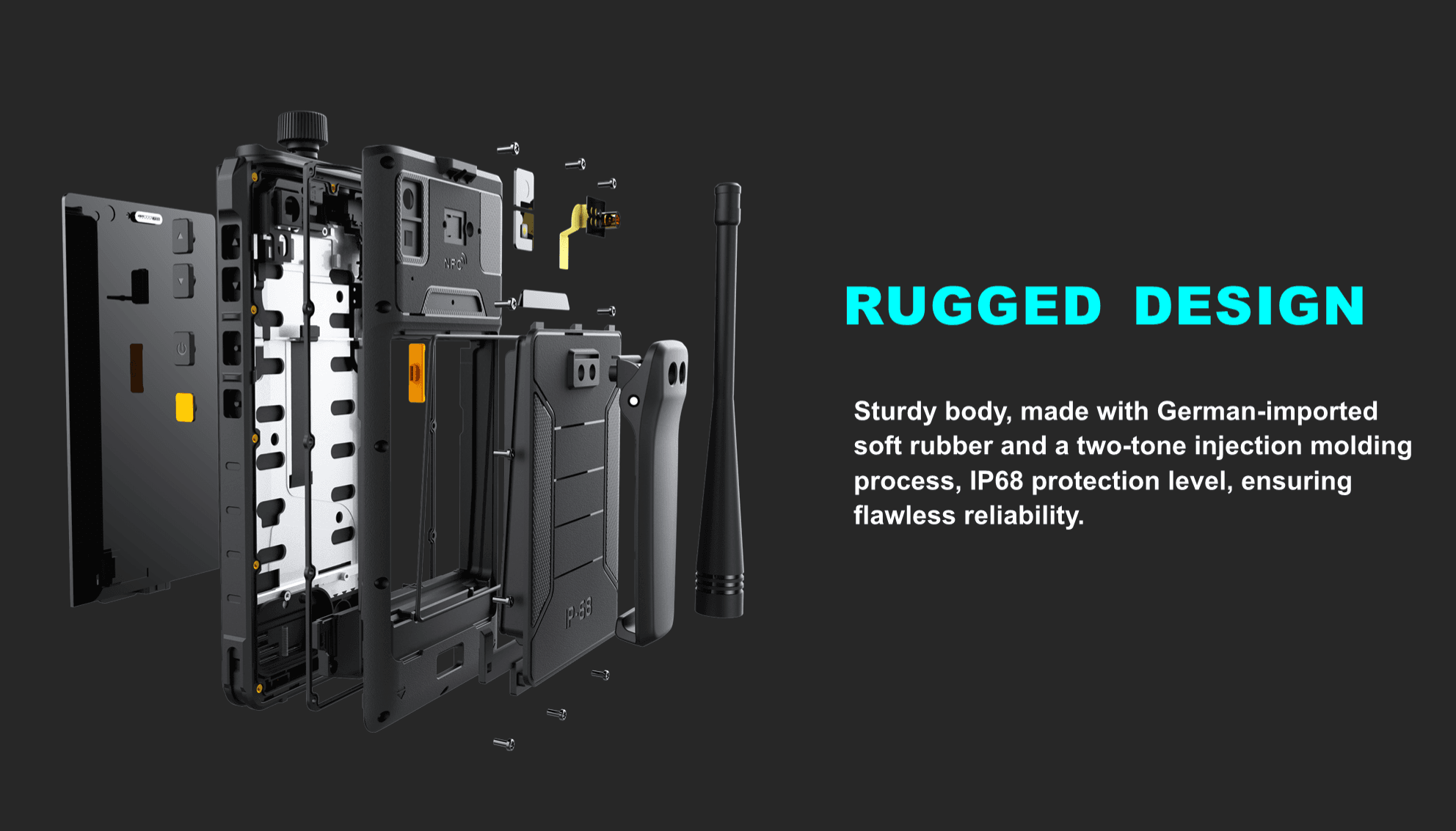
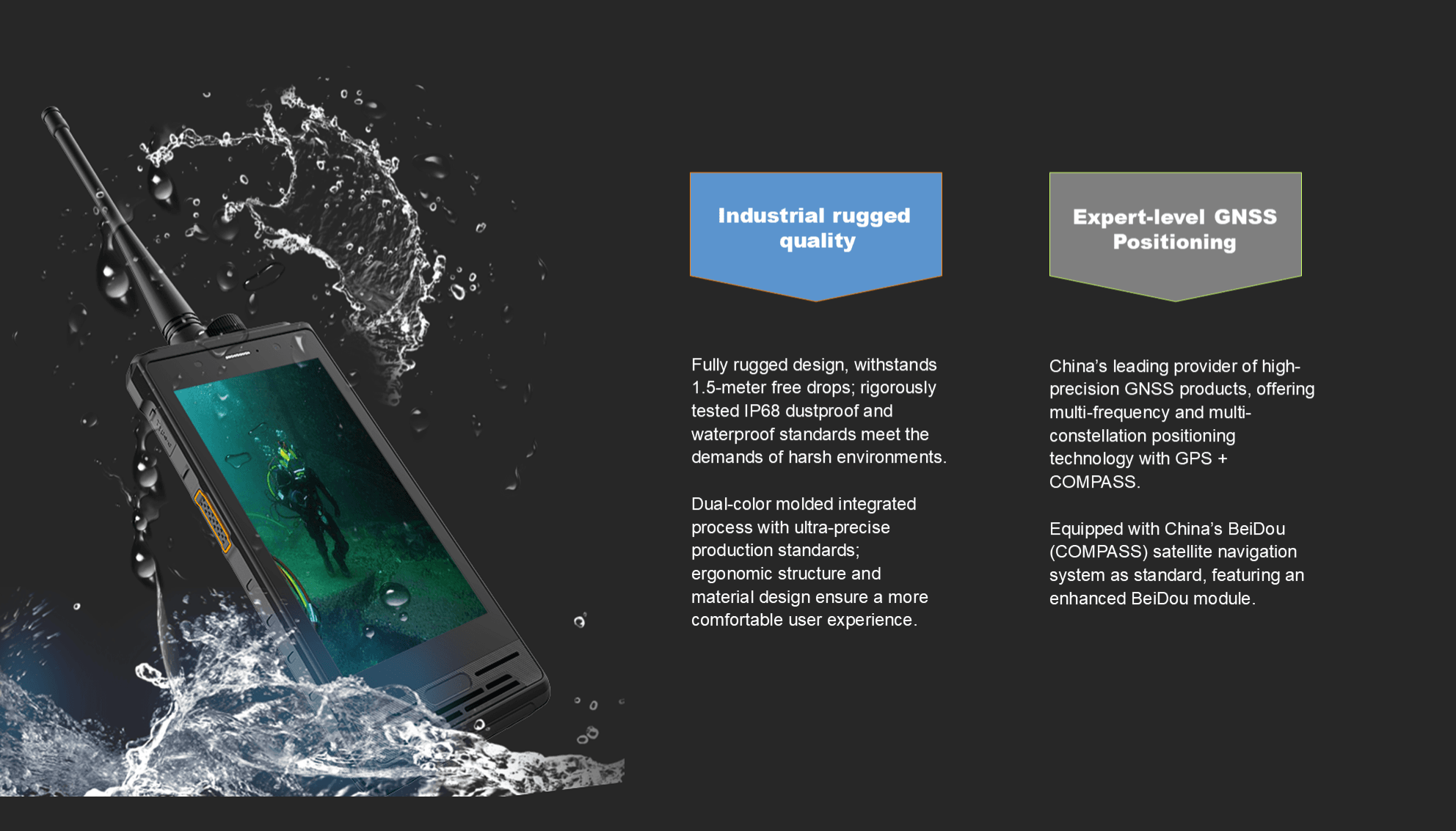
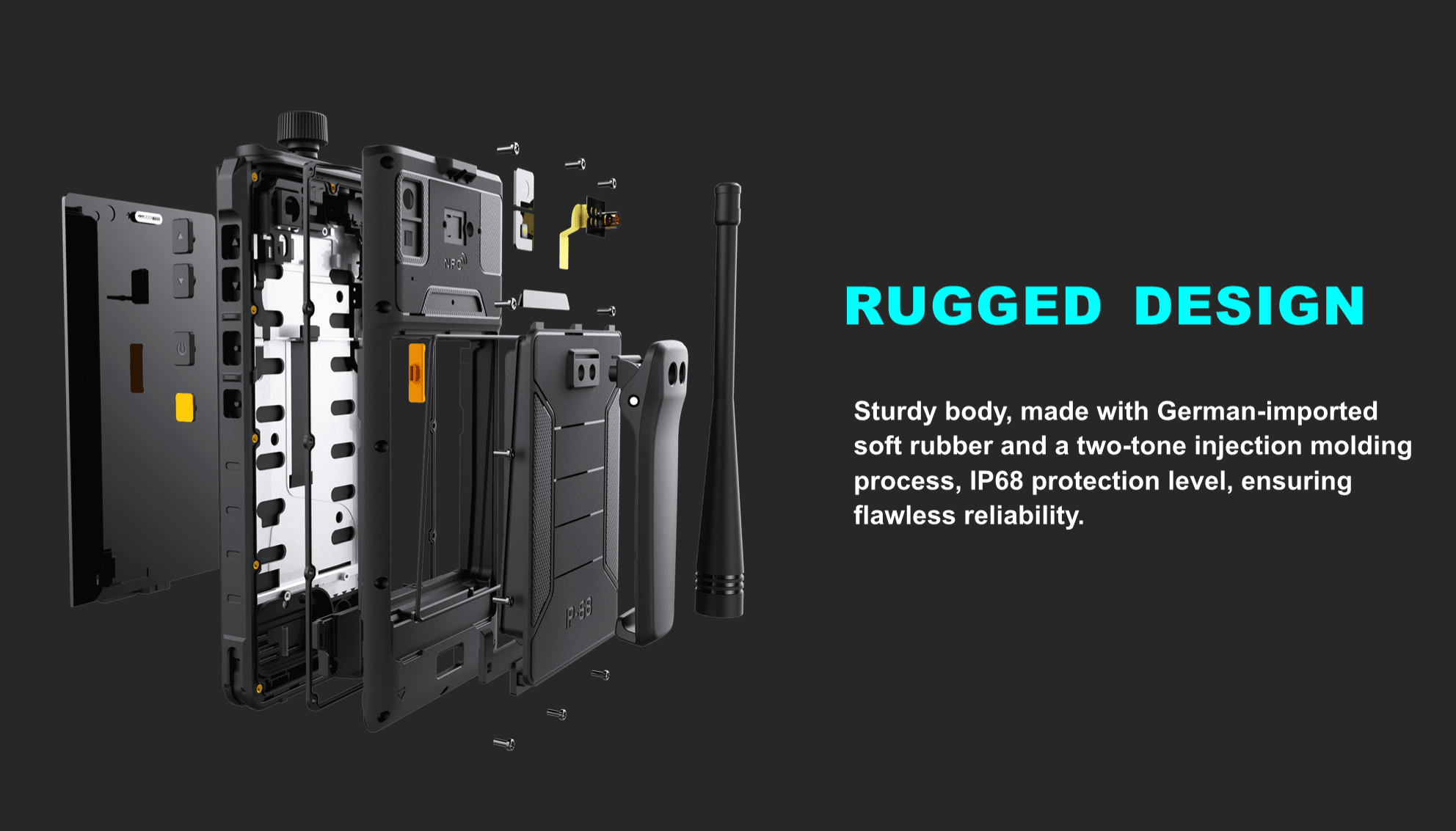
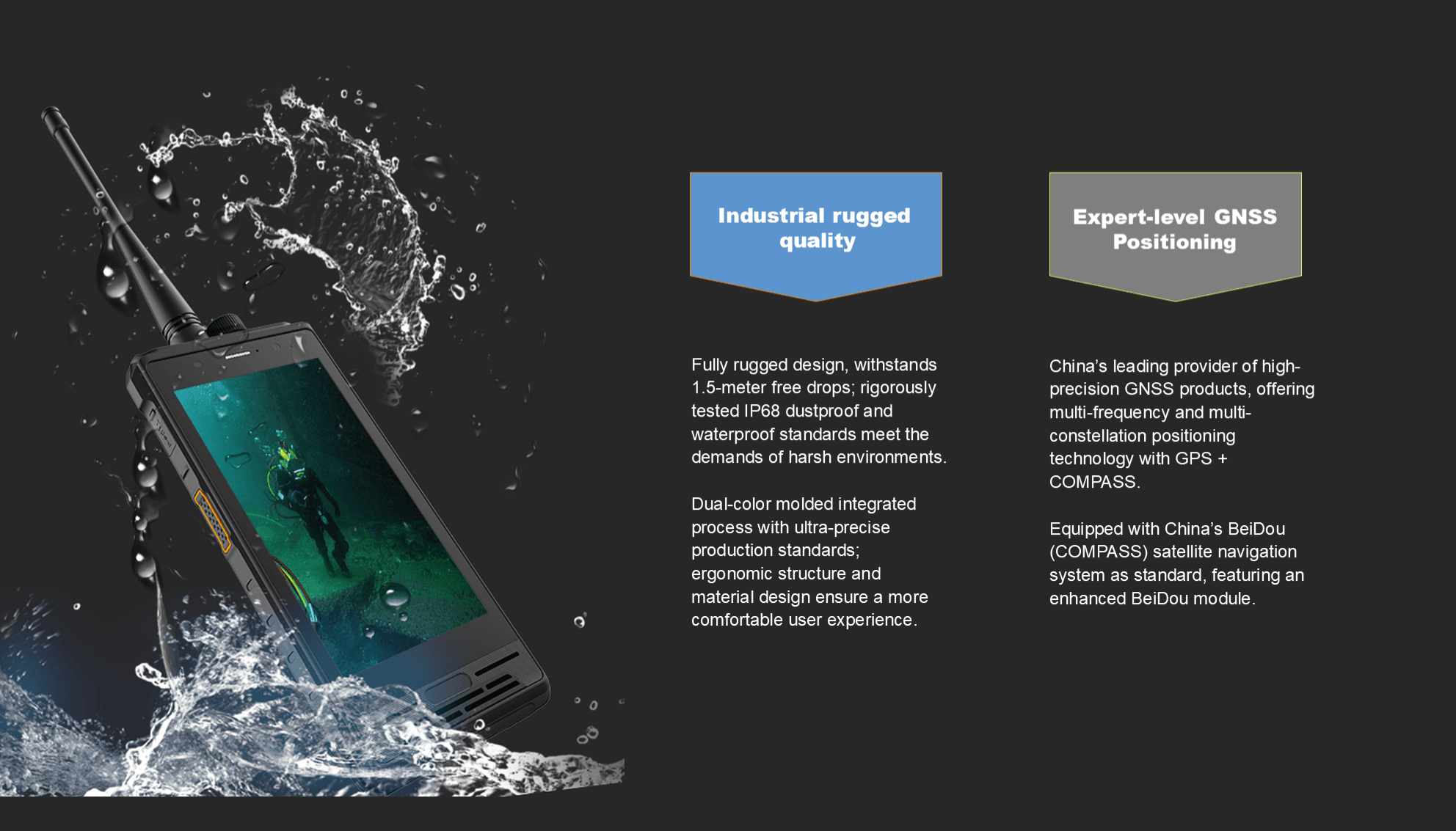
- Rugged and Durable, Fully Adaptive: Military-grade protective design withstands extreme cold, high temperatures, sandstorms, rain, and drop impacts—perfectly adapting to Kazakhstan’s diverse and severe geographical and climatic conditions.
- Converged Communications for Decision-Making: Supports both public and private networks, enabling seamless converged voice, video, and data communications among field personnel, dispatch centers, and back-office experts—enhancing cross-departmental collaboration and rapid decision-making capabilities.Kazakhstan is an important oil and gas resource country in the Caspian Sea region and a significant participant in the global energy market. Its petroleum industry is the pillar of the national economy, contributing substantially to government fiscal revenue and foreign exchange reserves.
I. Overview and Analysis of the Oil Extraction Industry
Kazakhstan has proven oil reserves of approximately 30 billion barrels (about 4.1 billion tons), ranking around 12th in the world. Its major oil fields are concentrated in the western part of the country, particularly the three giant fields: Tengiz, Kashagan, and Karachaganak.Industry Characteristics Analysis:- Highly Concentrated Resources: The combined output of the three major oil fields accounts for more than 70% of the country’s total production. The Kashagan field is one of the largest oil fields discovered globally in recent decades.
- International Cooperation Dominance: Due to massive capital and technological requirements, major oil fields are developed through Production Sharing Agreements (PSA) between international consortia and the Kazakh government, with high foreign investment participation.
- High Export Dependence: With limited domestic refining capacity, most crude oil is exported to international markets via pipelines (such as the Caspian Pipeline Consortium – CPC), particularly to Europe and China.
- Facing Challenges: Major oil fields face complex geological conditions (such as deep reservoirs, high pressure, high sulfur content), resulting in high technical difficulty and development costs. Meanwhile, crude oil exports heavily rely on cross-border pipelines; geopolitical considerations and transportation route diversification are long-term strategic priorities.
II. Major Oil Extraction Companies and Daily Production
As of 2025/2026, Kazakhstan’s total crude oil and condensate production is approximately 1.9 to 2.0 million barrels per day (about 90 million tons annually). Major companies and their contributions are as follows:Tengizchevroil (TCO)
- Operator: Consortium led by Chevron of the United States (50%)
- Field: Tengiz Oil Field
- Daily Production: Approximately 700,000 barrels. With the full commissioning of the Future Growth Project/Wellhead Pressure Management Project (FGP/WPMP), capacity will further increase.
North Caspian Operating Company (NCOC)
- Operator: International consortium comprising Eni, Shell, TotalEnergies, ExxonMobil, CNPC, Inpex, and CNOOC
- Field: Kashagan Oil Field
- Daily Production: Current capacity approximately 400,000-450,000 barrels. This field has tremendous potential and is the core of future production growth, with a long-term target of 1.5 million barrels per day.
Karachaganak Petroleum Operating (KPO)
- Operator: Consortium comprising Shell, Eni, Chevron, Lukoil, and KazMunayGas (KMG)
- Field: Karachaganak Condensate Field
- Daily Production: Approximately 270,000 barrels of oil equivalent (primarily condensate and high-value liquids).
KazMunayGas (KMG)
As the national oil and gas company, KMG independently or jointly operates numerous medium and small-sized oil fields (such as Uzen, Zhetybay, etc.) in addition to participating in the aforementioned international projects.- Total Daily Production: Its equity production (including direct operations and shares from the three major projects) totals more than 500,000 barrels of oil equivalent per day, making it the second-largest domestic production contributor.
Other major production contributors include CNPC (PK oil fields, etc.) and Lukoil.III. Oil Refining Companies and Daily Refining Capacity
Kazakhstan’s refining capacity is relatively weak, representing a vulnerability in domestic energy security. Currently, there are three major refineries with a total designed primary processing capacity of approximately 370,000 barrels per day (about 18.5 million tons annual processing capacity), basically meeting about 80% of domestic refined oil product demand.Atyrau Refinery
- Operator: KazMunayGas (KMG)
- Daily Refining Capacity: Approximately 120,000 barrels. Modernization has been completed in recent years, improving product quality.
Shymkent Refinery
- Operator: KazMunayGas (KMG)
- Daily Refining Capacity: Approximately 120,000 barrels. This refinery has also completed deep modernization and is one of the most technologically advanced refineries.
Pavlodar Refinery
- Operator: KazMunayGas (KMG)
- Daily Refining Capacity: Approximately 130,000 barrels. This refinery primarily processes crude oil imported from Siberia, Russia.
Refining Industry Analysis:- Insufficient Capacity and Modernization: In the past, refinery equipment was outdated with low oil product standards. In recent years, driven by government initiatives, all three major refineries have completed large-scale modernization, capable of producing Euro IV/V standard high-quality fuel, reducing dependence on imported refined oil products.
- Raw Material Dependence: The Pavlodar Refinery’s dependence on Russian crude oil reflects regional energy interdependence.
- Future Development: The Kazakh government plans to further upgrade and expand existing refineries and explore the construction of new gas chemical plants to increase the output of value-added products (such as chemicals), optimizing the industrial structure.