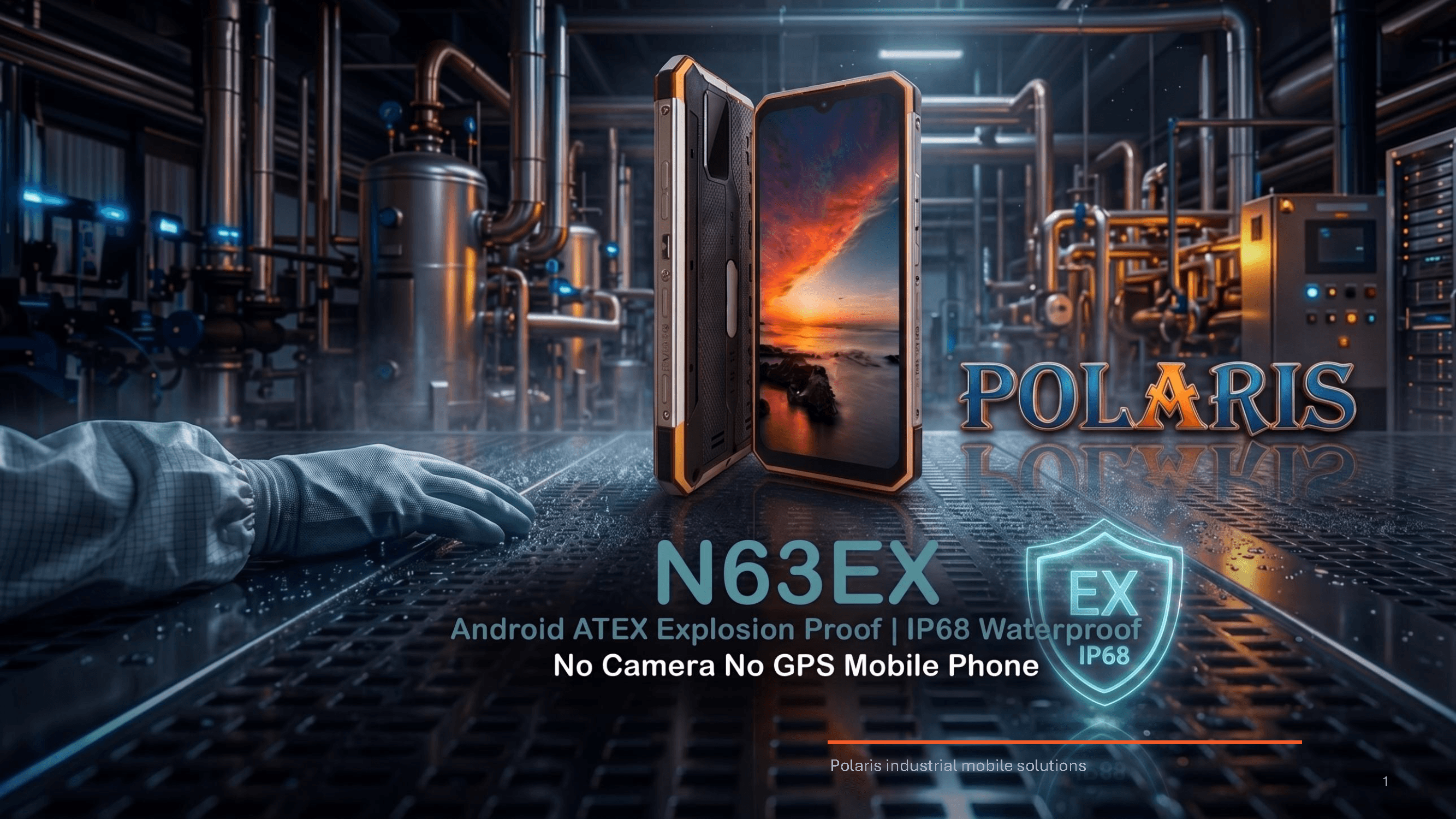
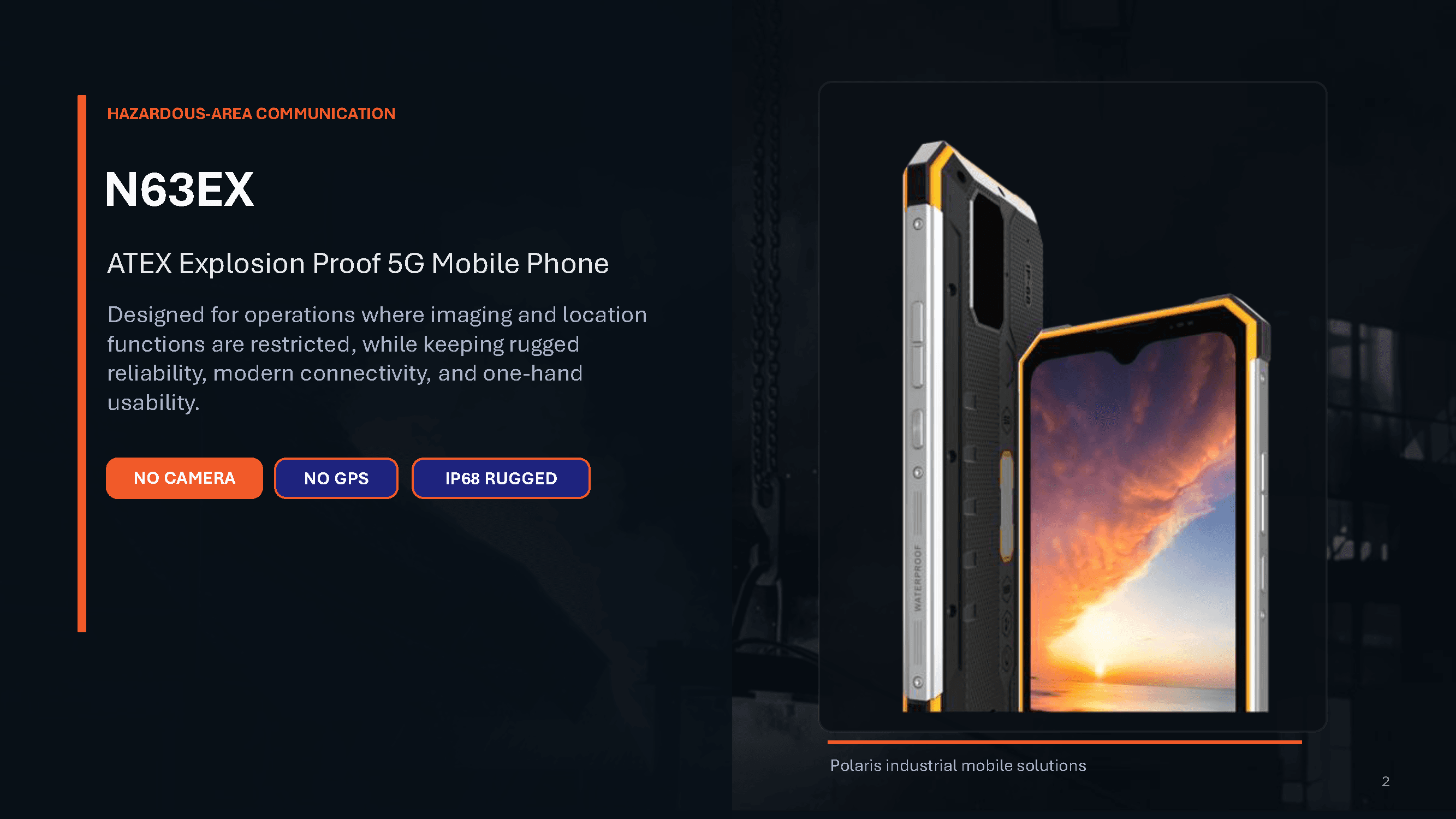
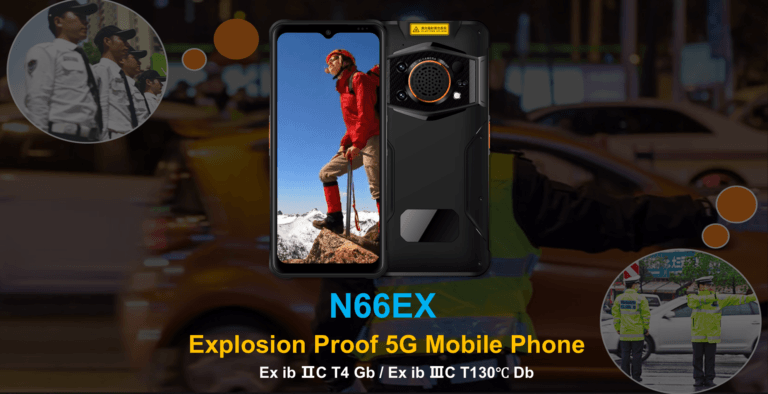
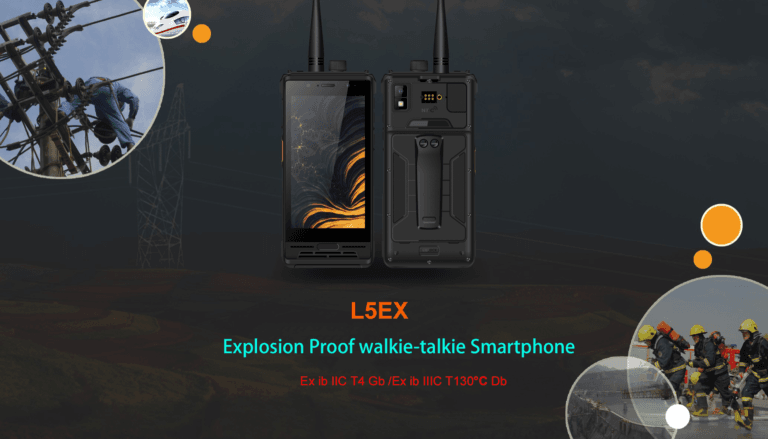
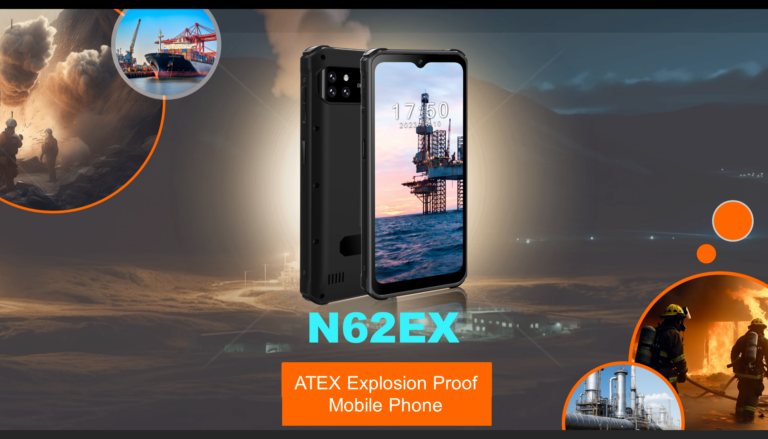
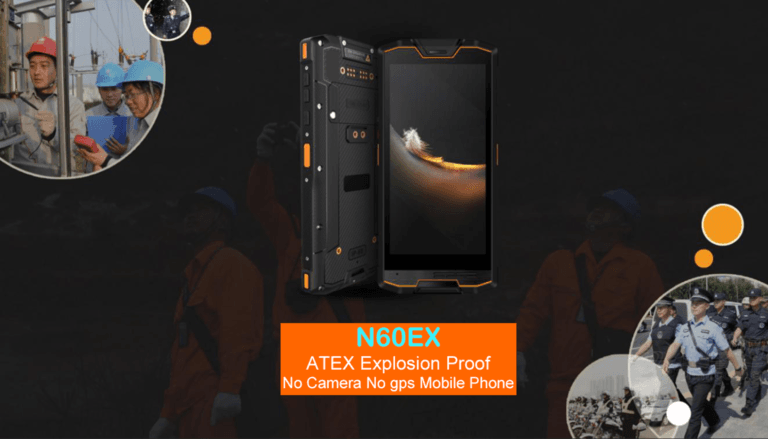
Abu Dhabi’s petroleum industrial areas (onshore oilfields, offshore platforms and refineries) are critical national energy infrastructure. ADNOC enforces a strict ban on photography. Accordingly, work phones deployed on-site are intrinsically safe explosion-proof units with cameras physically removed at manufacture.
These sites, regulated by the Critical Infrastructure and Coastal Protection Authority (CICPA) of the UAE, are national key assets.
Well locations, pipeline layouts, process equipment, production data and security arrangements are classified sensitive information, tied to energy security, counter-espionage and attack mitigation.
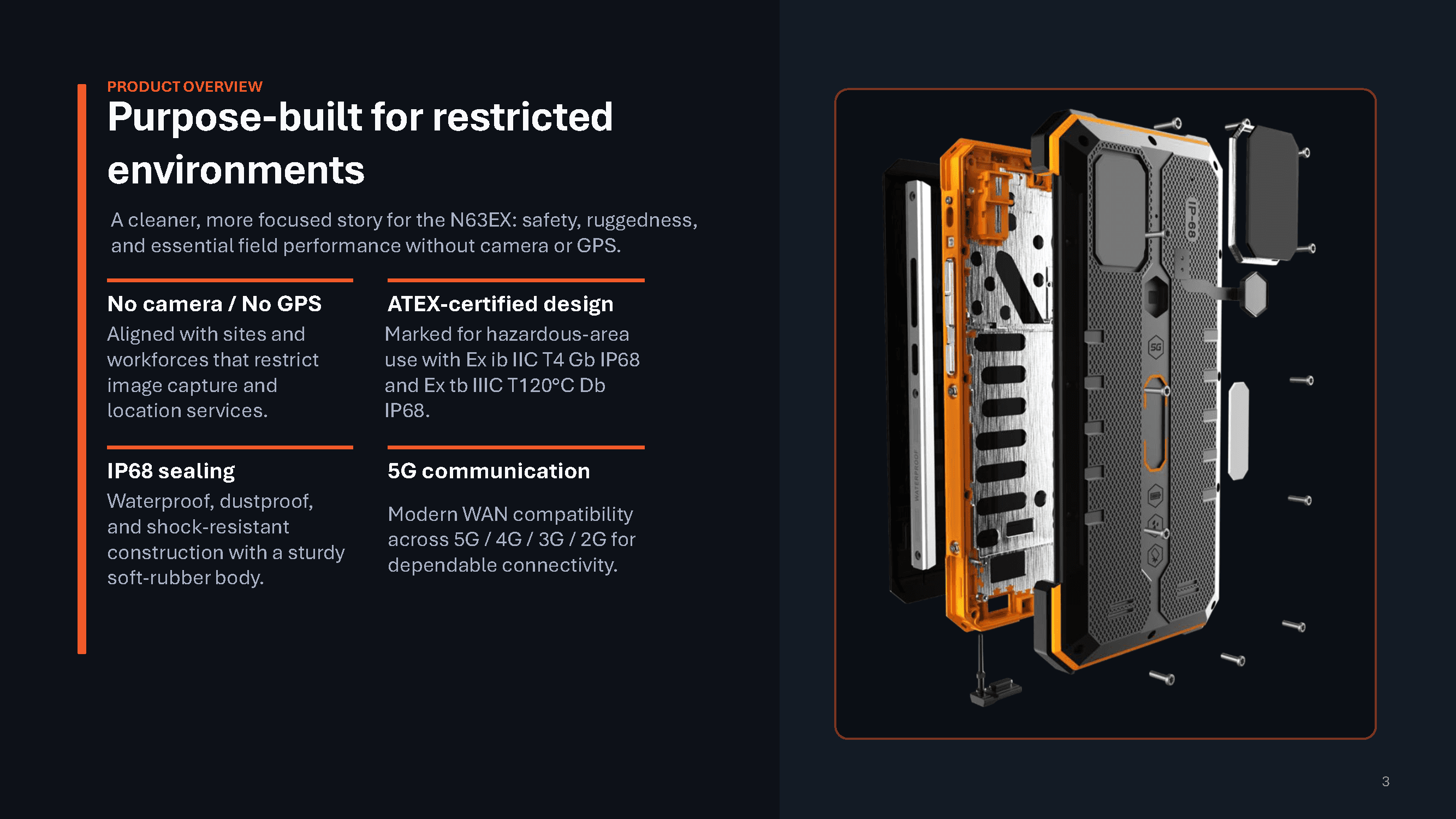
Software camera disabling or lens covers are not acceptable. Physical removal of camera hardware is the approved compliance measure. Many models also have their GPS modules removed to prevent leakage of site coordinates.
Unauthorised photography, video recording and posting on social media are strictly prohibited. Violations may result in fines, removal from site, revocation of access, and liability for the contracting company.
Explosion Protection (Intrinsically Safe Ex Requirements)
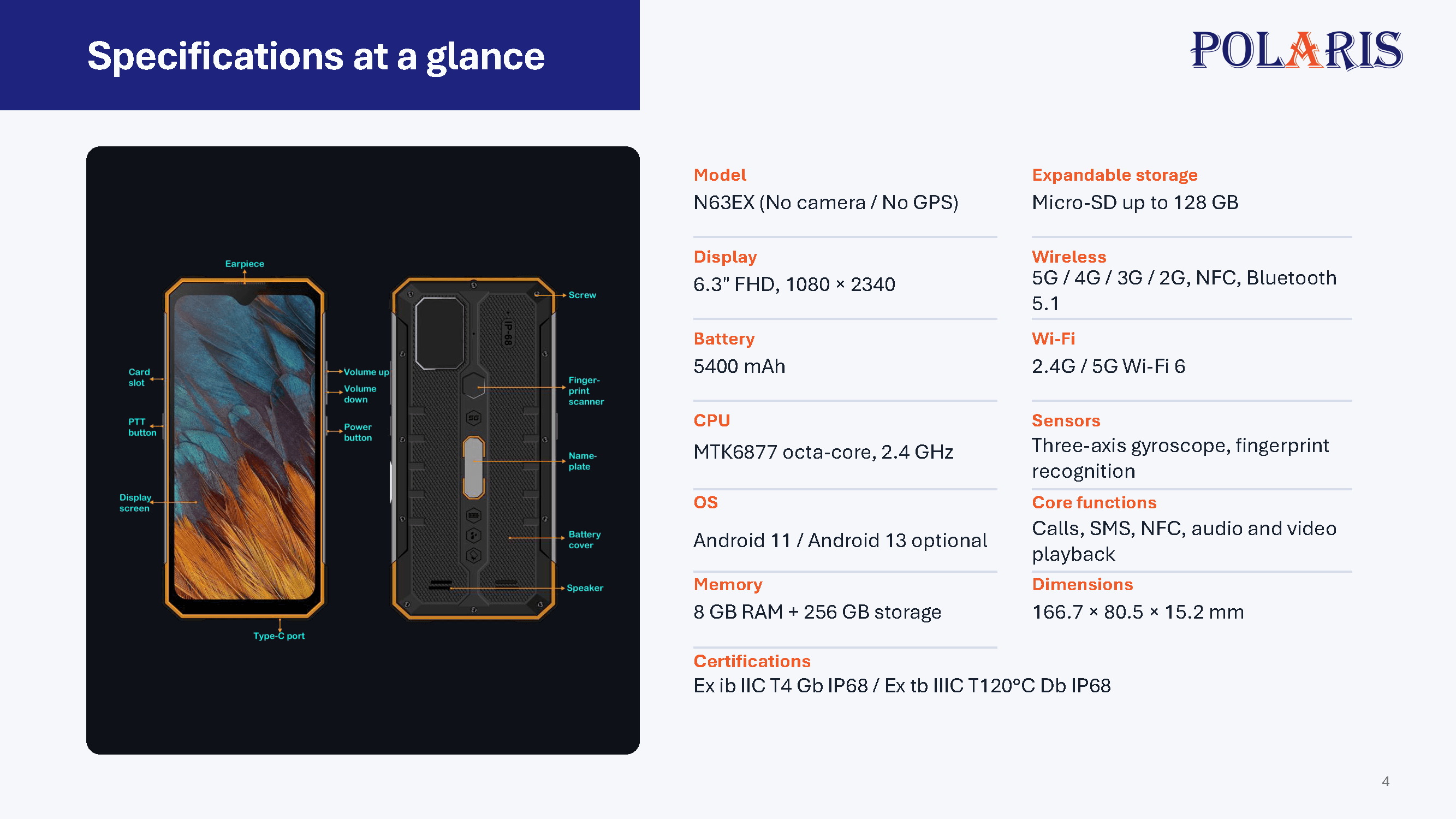
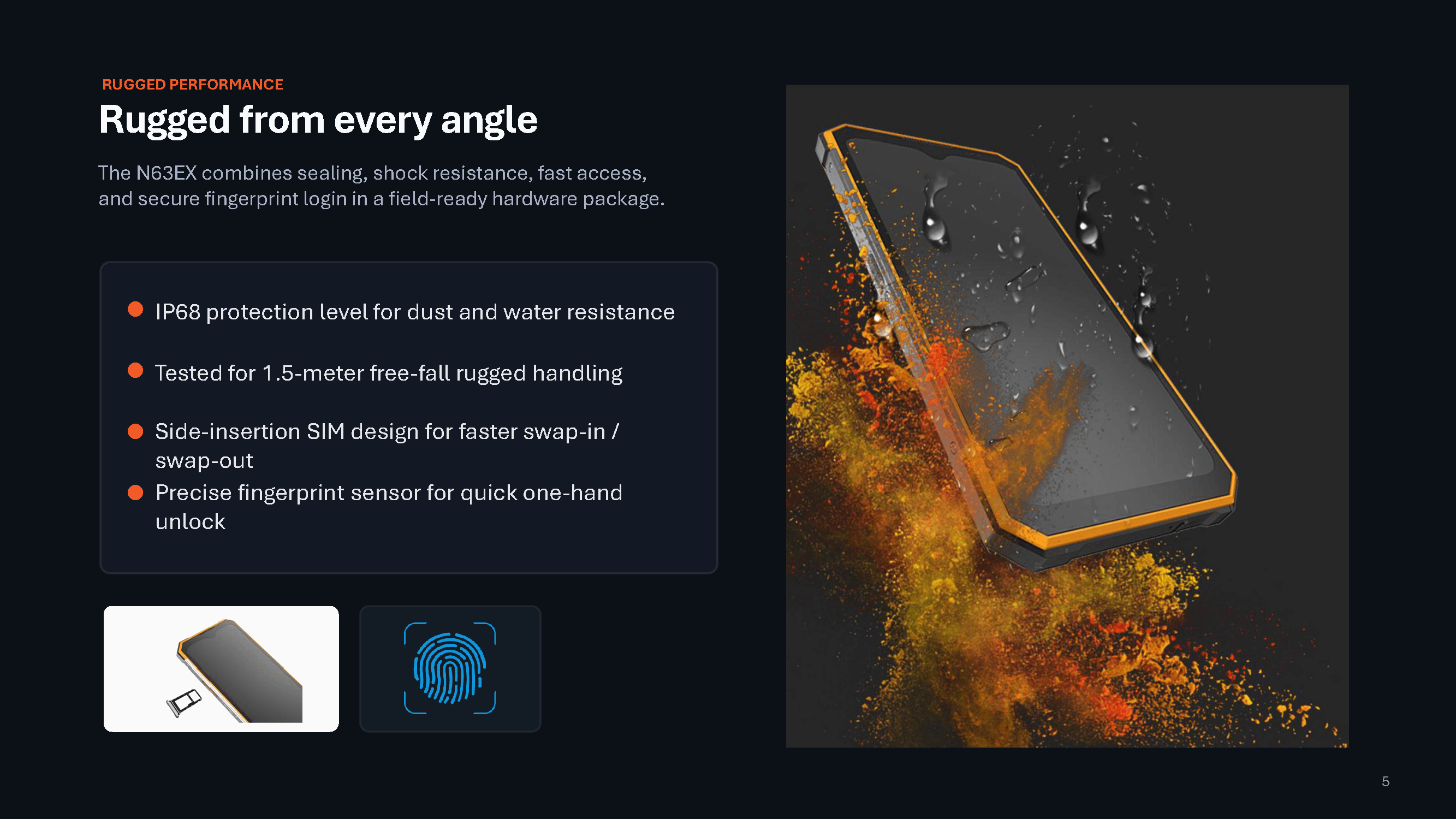
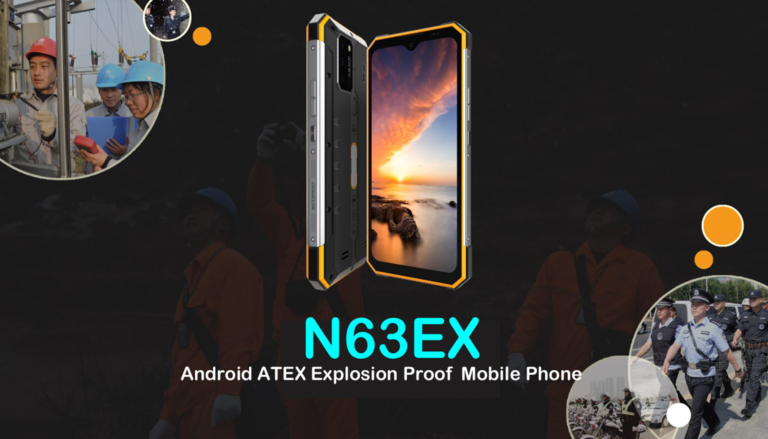
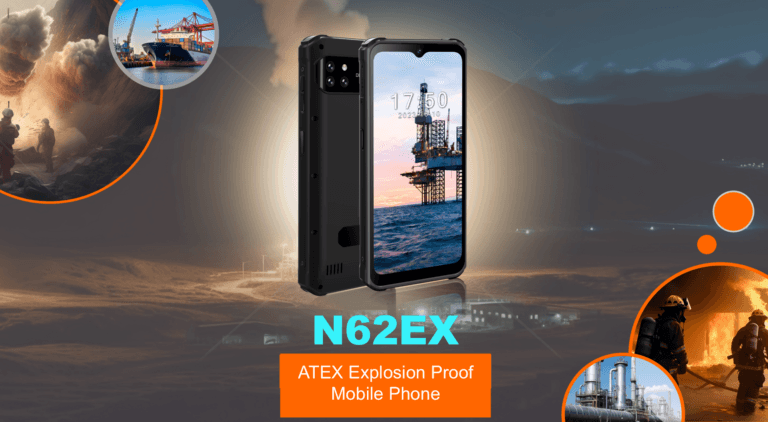
Flammable gas hazards exist within hydrocarbon areas. Electrical sparks from consumer mobile phones may trigger ignition. All devices brought into site must hold ATEX / IECEx certification for Zone 1 / Zone 2. These explosion-proof terminals are engineered to tightly control circuit heat generation and electric discharge. Camera-free variants are designated ADNOC site-approved models, combining explosion safety with no imaging capability.
GPS functionality is also prohibited on these devices. The objective is to prevent disclosure of precise site coordinates and mitigate risks of reconnaissance and targeted drone strikes. GPS software toggling is deemed unreliable; hence the GNSS/GPS module is physically removed.
Core Rationale: National Security & Counter-Terrorism
ADNOC onshore oilfields, refineries and offshore platforms are high-value targets for drones and remote strikes.
Consumer-grade GPS provides metre-level accurate coordinates. If leaked, such data enables adversaries to pinpoint tanks, wellheads and critical process units.
The restriction is not intended to restrict staff navigation. It prevents location data from being exported, uploaded or synced to cloud mapping services for collection by external intelligence actors.
Given geopolitical tensions in the Gulf region, this rule is not procedural but a mandatory security requirement set by CICPA and ADNOC.
Explosion-proof handsets for site engineers and commissioning technicians have no camera or GPS hardware:
✅ Supported functions: voice calls, email, internal IM, work orders
✅ Unsupported functions: on-site photography, map navigation, location export
Commercial off-the-shelf smartphones are forbidden inside ADNOC hazardous zones. Only ADNOC-vetted intrinsically safe smart terminals are permitted for field operations and internal workflows.
Hazardous Areas (Zone 1 / Zone 2: process areas, wellheads, platforms, refinery units)
✅ Permitted devices: intrinsically safe ATEX / IECEx smart phones listed on the ADNOC approved register.
These are Android-based smart devices capable of email, internal work orders, PTT push-to-talk, and access to ADNOC SAP / work order systems for digital workflows including Permit to Work, inspections and reporting.
Mandatory security modification: camera and GNSS/GPS hardware removal is required for many site variants, subject to CICPA security rules of the specific project or facility.
Devices must appear on the ADNOC approved equipment whitelist, hold valid certificates and be registered prior to site entry. Contractor and supplier engineers must submit their devices for pre-approval review. Site HSE and security personnel retain authority to deny entry. Controls for offshore platforms are generally stricter than for onshore oilfields.